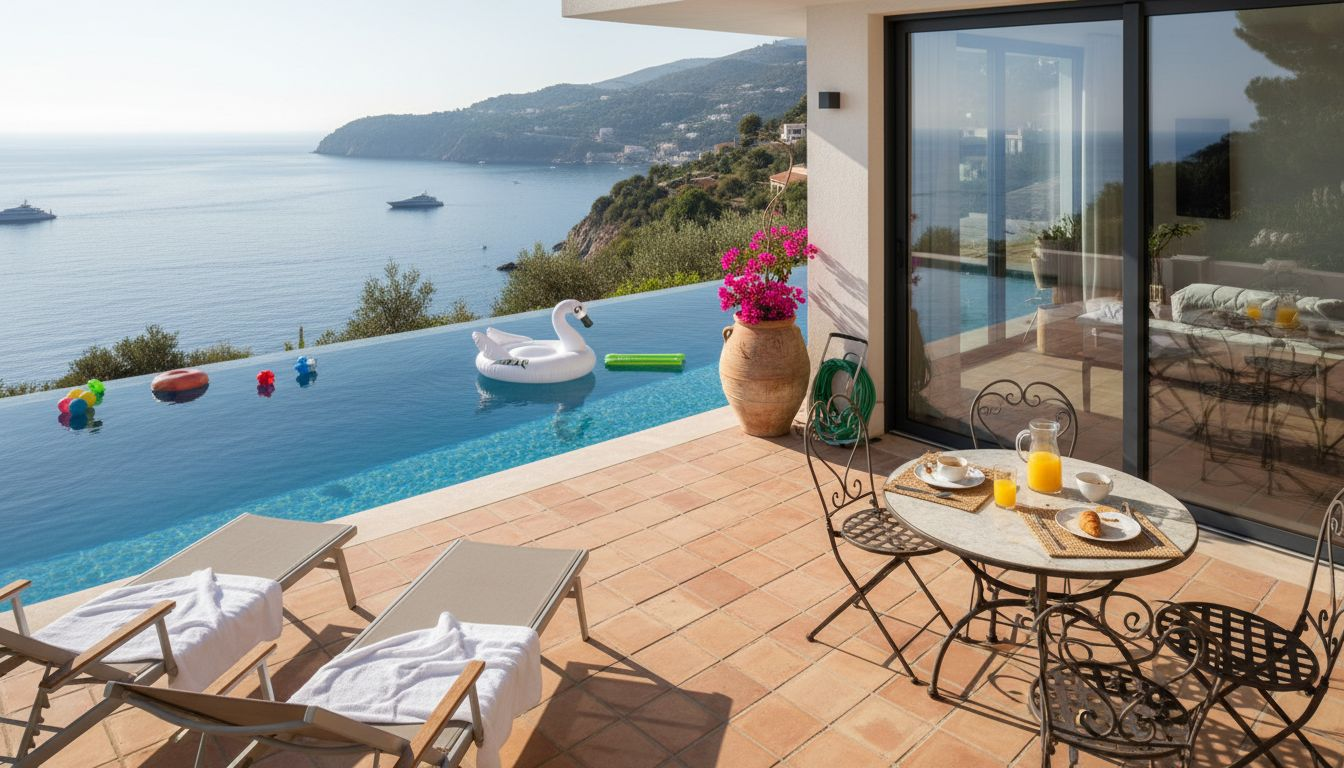
Many US luxury buyers believe all Mallorca villas offer easy rental income potential, but only about 30% have holiday rental licenses, dramatically impacting investment strategies. Understanding the distinctions between villas, fincas, and apartments is essential for making informed decisions in Mallorca’s competitive luxury property market. This guide clarifies property types, locations, investment potential, and critical legal considerations for US buyers seeking Mediterranean lifestyle and returns.
Key takeaways
| Point | Details |
|---|---|
| Property differentiation matters | Villas offer modern luxury while fincas provide historic rural charm with distinct maintenance and investment profiles. |
| Rental licensing is limited | Only 30% of luxury villas possess rental licenses, severely restricting short-term rental income opportunities. |
| Location drives value | Southwest coastal areas suit villas; interior countryside favors fincas, each influencing appreciation and lifestyle differently. |
| Legal complexity requires expertise | US buyers must obtain NIE numbers, navigate Spanish property taxes, and understand cross-border reporting obligations. |
| Cost profiles vary significantly | Villas carry higher community fees but less self-maintenance, while fincas require extensive upkeep on larger plots. |
Introduction to Mallorca’s luxury property market
Mallorca attracts international luxury buyers due to climate and lifestyle, combining over 300 days of sunshine annually with Mediterranean exclusivity. The island’s luxury property market offers US buyers three primary options: modern coastal villas, traditional rural fincas, and upscale apartments, each delivering unique lifestyle benefits and investment characteristics.
Luxury buyer demand continues growing as Mallorca provides security, privacy, and exceptional quality of life unavailable in many markets. Properties range from €2 million coastal villas with infinity pools to €3 million renovated fincas on expansive estates, catering to diverse buyer preferences from active coastal living to tranquil countryside retreats.
Understanding these property types helps align your investment goals with market realities. The differences extend beyond aesthetics to include:
- Rental income potential and licensing restrictions
- Maintenance requirements and ongoing costs
- Appreciation rates varying by location and property type
- Legal complexities specific to each category
You can explore the types of Mallorca properties to see detailed comparisons. Recognizing these distinctions early prevents costly mistakes and ensures your Mallorca investment delivers expected returns alongside lifestyle satisfaction.
Mallorca property types defined: villas vs fincas
Luxury villas represent contemporary Mediterranean architecture, typically featuring smart-home technology, infinity pools, and premium finishes located in prime coastal areas like Portals Nous or Puerto Andratx. These properties appeal to buyers seeking turnkey modern living with immediate access to beaches, marinas, and upscale dining.
Traditional fincas are historic rural estates with large plots, often exceeding 10,000 square meters, showcasing authentic stone construction and rustic charm. Renovated fincas combine historic charm with modern luxury amenities, preserving original architectural details while integrating contemporary kitchens, spa facilities, and energy-efficient systems.
Rental license availability creates the most significant investment distinction. Only about 30% of high-end villas have holiday rental licenses, severely limiting short-term rental income potential for the remaining 70%. This restriction arose from Mallorca’s 2018 regulations capping new licenses to control tourism density, making existing licensed properties highly valuable.
Fincas attract buyers valuing privacy, authenticity, and connection to Mallorca’s agricultural heritage. Some rural properties qualify for agrotourism licenses, offering rental opportunities through different regulatory pathways than urban villas. Key differentiators include:
- Villas prioritize convenience with proximity to services and amenities
- Fincas emphasize space, tranquility, and self-sufficiency
- Villas typically feature gated community security and shared facilities
- Fincas offer complete privacy on expansive private land
Pro Tip: Always verify rental license status before purchase if generating income is part of your strategy. Licenses cannot be easily obtained after buying an unlicensed property, potentially eliminating rental income entirely.
You can dive deeper into property types to understand which aligns with your lifestyle priorities and financial objectives.
Best locations for villas and fincas in Mallorca
Southwest Mallorca dominates luxury villa markets, with Puerto Andratx, Portals Nous, and Santa Ponsa offering coastal views, yacht access, and proximity to premium golf courses. These areas command highest prices, often exceeding €10,000 per square meter, reflecting strong demand from international buyers seeking Mediterranean glamour.
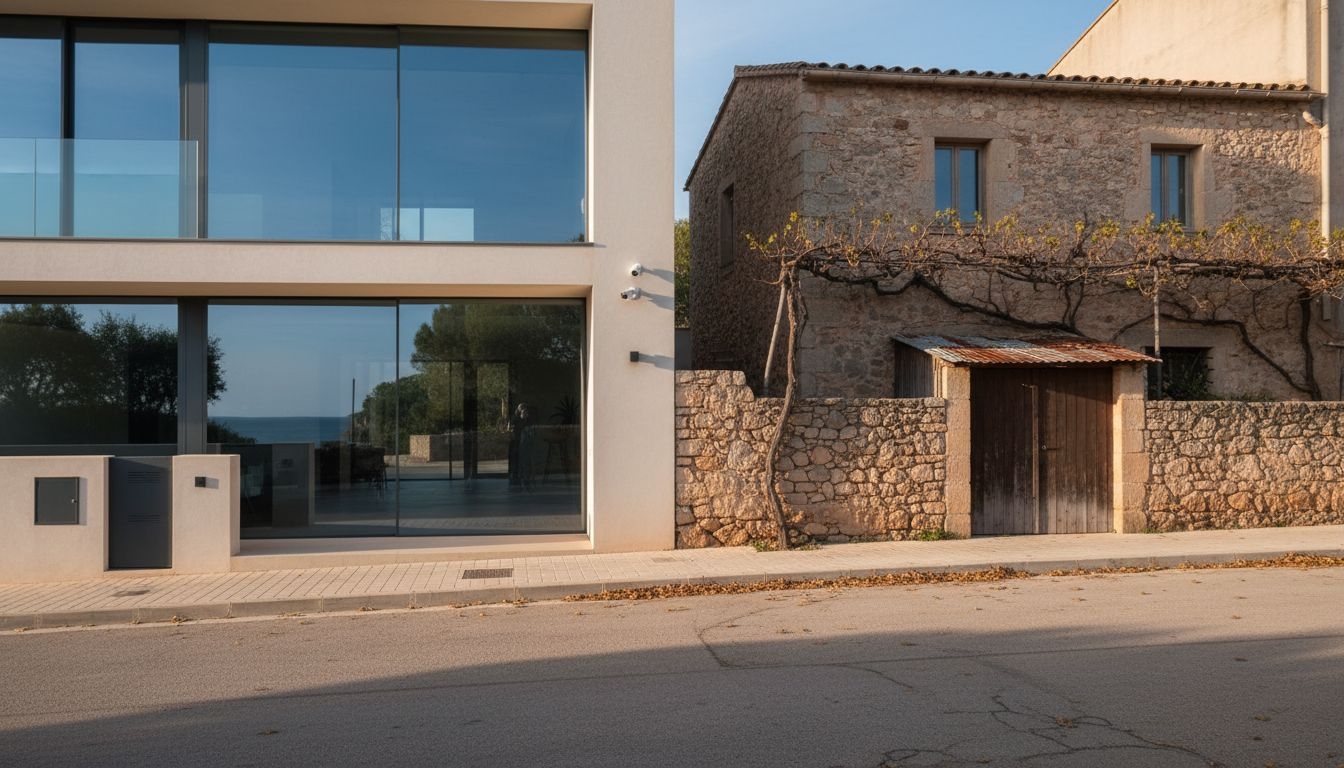
Interior countryside villages host traditional fincas favored for tranquility and space, particularly around Sóller, Alaró, and Santanyí. These locations provide authentic Mallorcan village life with weekly markets, local restaurants, and stunning mountain or valley views while remaining within 30 minutes of Palma’s international airport.
Northern and eastern coasts offer exclusive retreats combining privacy with nature in areas like Pollença, Alcúdia, and Artà. Properties here attract buyers prioritizing natural beauty, hiking, and quieter lifestyles over bustling resort atmospheres, often featuring larger plots at more accessible price points than southwest coastal locations.
Location influences both lifestyle enjoyment and investment appreciation:
- Coastal southwest properties appreciate fastest due to limited supply and high demand
- Rural interior fincas offer better value per square meter with larger land parcels
- Northern coastal areas provide balance between exclusivity and natural surroundings
- Eastern regions remain relatively undiscovered, presenting potential appreciation opportunities
Consider your priorities carefully. If you value beach access and social dining, southwest villas deliver. If privacy and countryside pursuits matter more, interior fincas suit better. Financing options and local market dynamics vary by region, so research thoroughly before committing. You can explore financing luxury properties in Mallorca to understand regional lending conditions.
Investment potential: villas vs fincas
Villas appreciate at 5 to 7% annually while fincas at 2 to 3% depending on location, reflecting higher demand concentration in coastal areas. Licensed villas generate premium rental returns, often yielding 4 to 6% gross annually when marketed effectively through luxury channels, though only about 30% of villas have rental licenses, limiting short-term rental income for most properties.
Fincas offer slower appreciation but appeal to niche buyers seeking privacy, space, and lifestyle over immediate returns. These properties typically attract long-term tenants rather than vacationers, generating stable but lower yields around 2 to 4% gross annually. Some fincas qualify for agrotourism licenses, opening alternative income streams through rural tourism regulations.
| Aspect | Luxury Villas | Traditional Fincas |
|---|---|---|
| Annual appreciation | 5 to 7% | 2 to 3% |
| Rental license availability | 30% have licenses | Alternative agrotourism options |
| Gross rental yield | 4 to 6% when licensed | 2 to 4% |
| Target renter profile | Luxury vacationers | Long-term or rural tourists |
| Liquidity | Higher due to broader appeal | Lower, niche buyer market |
Understanding licensing and location is essential for realistic investment expectations. Key considerations include:
- Licensed villas command 20 to 30% price premiums over comparable unlicensed properties
- Finca investment returns depend heavily on property condition and accessibility
- Coastal villa liquidity exceeds rural finca liquidity due to broader buyer pools
- Rental income projections must account for seasonal occupancy fluctuations
Pro Tip: If maximizing rental income matters, prioritize licensed villas or fincas with agrotourism potential. Unlicensed properties limit you to long-term rentals, typically yielding half the income of short-term vacation rentals.
You can compare investment returns across different Mallorca property categories to refine your investment strategy based on financial goals.
Legal and cross-border buying considerations for US buyers
Obtaining NIE number takes 2 to 4 weeks and is mandatory for property purchase, serving as your Spanish tax identification number for all real estate transactions. You can apply through Spanish consulates in the US or directly in Spain, but processing delays occur frequently, so start this process early.
US buyers must understand Spanish property taxes and US reporting obligations, including wealth tax, capital gains tax, and FBAR reporting requirements for foreign accounts. Double taxation treaties exist but US tax filings remain complex, requiring specialized cross-border tax expertise to optimize liabilities legally.
Common pitfalls include confusing local rules and missing deadlines, particularly around deposit structures, notary requirements, and post-purchase registration timelines. Professional legal guidance is strongly recommended for cross-border deals to navigate Spanish civil law differences from US common law systems.
Critical steps for US buyers purchasing Mallorca properties:
- Secure NIE number through Spanish consulate or authorized representative in Spain
- Open Spanish bank account for property transactions and ongoing expense payments
- Hire independent Spanish lawyer (abogado) specializing in international real estate transactions
- Conduct comprehensive due diligence including title verification and encumbrance searches
- Understand total acquisition costs including 10% transfer tax, 1.5% notary and registry fees
- Arrange US tax consultation to structure ownership optimally for reporting compliance
- Verify property license status including rental, building, and occupancy permits
You can follow a detailed checklist for American buyers to ensure no critical steps are missed. Additionally, reviewing the closing process guide helps you understand timeline expectations and documentation requirements specific to Spanish property law.
Common misconceptions and regulatory impact on investment
Misconception one: All villas can be rented out easily. Reality shows only 30% of villas have holiday rental licenses limiting rental use, meaning most luxury villas cannot legally generate short-term vacation rental income. Buying without verifying license status eliminates a major income stream permanently.
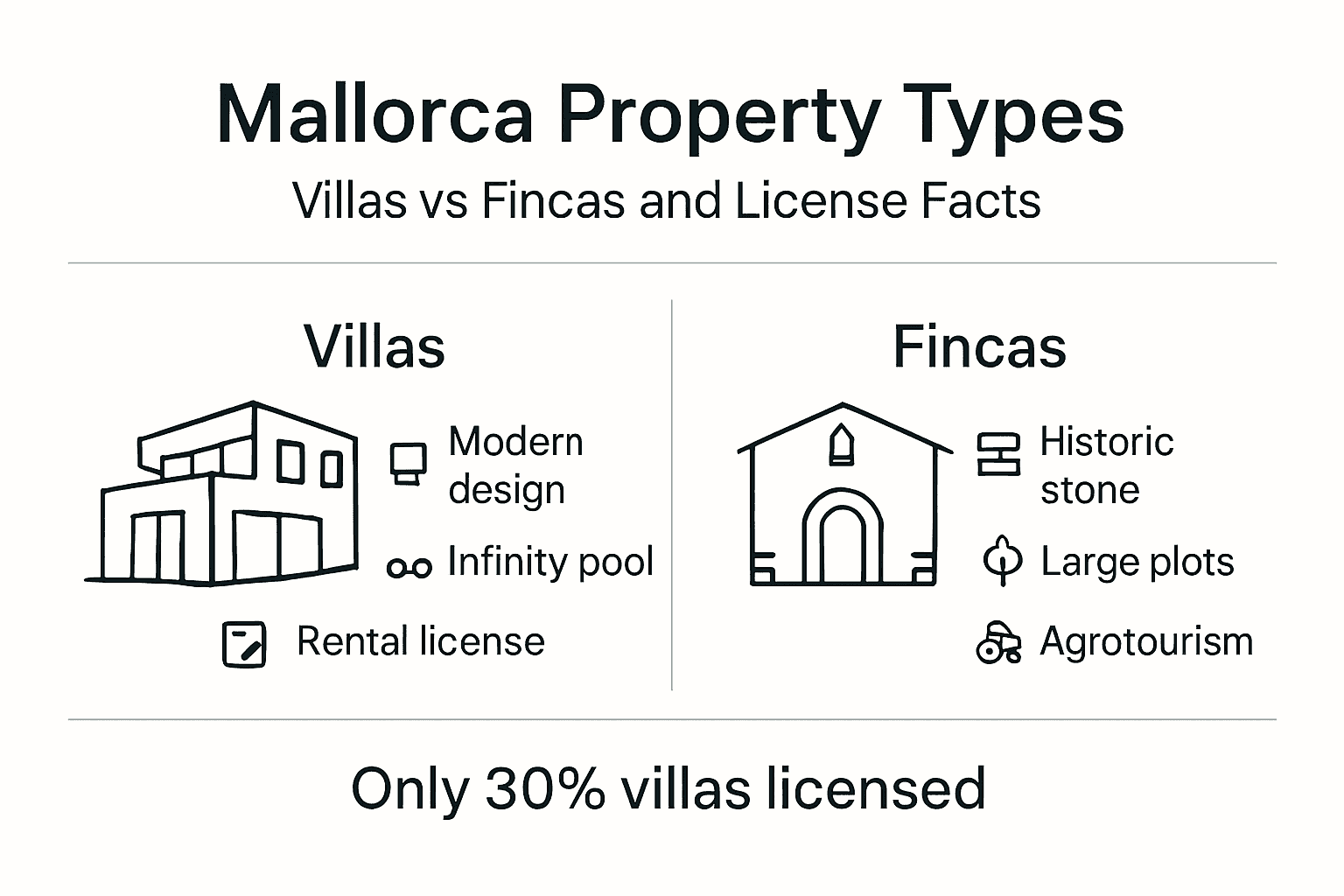
Misconception two: Fincas are outdated and require excessive renovation. Many renovated fincas showcase luxury finishes, modern systems, and designer interiors while preserving authentic architectural character. These properties often exceed villa quality standards while offering significantly more land and privacy.
Misconception three: Investment returns are uniform across property types. Data clearly shows location and property category dramatically impact appreciation rates, with coastal villas appreciating two to three times faster than interior fincas. Rental yields vary even more dramatically based on licensing status.
Buyers frequently underestimate legal and regulatory complexities unique to Spanish property markets:
- Assuming US mortgage practices apply, when Spanish financing requires different documentation
- Overlooking ongoing Spanish tax obligations including annual wealth tax and income reporting
- Expecting quick transactions, when Spanish property purchases typically require 8 to 12 weeks
- Believing verbal agreements hold weight, when Spanish law requires notarized documentation
One experienced US buyer noted:
I assumed my Mallorca villa could generate vacation rental income like my Florida property. Discovering it lacked a rental license after purchase cost me €100,000 in lost projected income over five years. Always verify licenses before signing.
You should understand rental license regulations thoroughly before making offers. Regulations vary by municipality, with some areas completely prohibiting new licenses while others allow limited exceptions. This knowledge protects your investment strategy from unrealistic income assumptions.
Cost and maintenance considerations for luxury villas vs fincas
Villas often have higher community fees ranging €3,000 to €10,000 annually, covering shared amenities like pools, gardens, security, and common area maintenance. These fees increase in exclusive developments offering concierge services, gym facilities, and 24-hour security, but reduce individual maintenance responsibilities significantly.
Fincas are generally self-maintained, spread on large rural plots necessitating more upkeep including pool maintenance, garden care, irrigation systems, and property security. Rural properties also face challenges accessing reliable service providers, with maintenance costs typically running €15,000 to €30,000 annually depending on plot size and amenities.
Understanding full cost of ownership helps prevent surprises post-purchase. Many US buyers underestimate Spanish property taxes, insurance premiums, and utility costs compared to US equivalents.
| Cost Category | Luxury Villas | Traditional Fincas |
|---|---|---|
| Community fees | €3,000 to €10,000/year | None (self-maintained) |
| Property maintenance | €5,000 to €12,000/year | €15,000 to €30,000/year |
| Pool upkeep | Often included in fees | €2,000 to €4,000/year |
| Property insurance | €1,500 to €3,000/year | €2,000 to €5,000/year |
| Wealth tax | 0.28% to 3.45% annually | 0.28% to 3.45% annually |
Maintenance challenges differ significantly between urban villas and isolated fincas:
- Villas benefit from proximity to service providers and immediate emergency response
- Fincas require advance planning for maintenance and may face service availability issues
- Villa repairs often handled by community management with shared cost structures
- Finca owners bear full responsibility for infrastructure including septic, wells, and access roads
Property management services cost 10 to 15% of rental income for villas or €2,000 to €5,000 monthly for non-rental finca oversight. These services prove essential for absentee US owners unable to oversee properties personally. You can learn about the importance of due diligence in verifying all cost obligations before purchase.
Conclusion and buyer guidance
Luxury villas deliver modern convenience, coastal access, and higher appreciation potential but face rental license limitations affecting 70% of properties. Traditional fincas offer authentic charm, privacy, and larger plots with slower appreciation and alternative income pathways through agrotourism. Your choice depends on balancing lifestyle preferences with investment objectives.
Location, licensing, and legal compliance determine investment success more than property type alone. Southwest coastal areas maximize appreciation and liquidity, while interior countryside provides value and space. Verify rental license status before purchase if income generation matters to your strategy.
Key guidance for US buyers considering Mallorca luxury properties:
- Prioritize licensed properties if rental income is essential to your financial model
- Budget comprehensively including acquisition taxes, ongoing fees, and maintenance costs
- Secure expert professional support for cross-border legal and tax compliance
- Visit properties multiple times across seasons to understand location lifestyle fully
- Align property choice with personal lifestyle priorities beyond pure financial returns
Expert professional support for cross-border purchases proves invaluable navigating Spanish property law, rental regulations, and tax optimization. Working with specialists experienced in US buyer needs eliminates common pitfalls while ensuring smooth transactions from initial search through final ownership transfer.
Explore exclusive Mallorca luxury properties with ULI & LISA
ULI & LISA offers tailored expertise bridging US buyers and Mallorca’s luxury market, combining advanced AI-powered property search tools with personalized guidance. Our specialized knowledge covers property search, legal steps, and financing, ensuring you find the perfect villa or finca matching your lifestyle and investment criteria. We understand the unique challenges US buyers face navigating Spanish property markets, from NIE applications to rental license verification. Our local knowledge ensures compliance and smooth cross-border transactions, protecting your investment from common pitfalls. Explore our Mallorca luxury property guide to understand market dynamics, or connect with our expert Mallorca agents for Americans who specialize in international transactions. We also provide property financing assistance to help structure optimal ownership. Contact us to start your personalized Mallorca property search today.
FAQ
What is the difference between a villa and a finca in Mallorca?
Villas are modern luxury homes featuring smart technology, infinity pools, and contemporary design, typically located in coastal areas with community amenities. Fincas are traditional rural estates with historical stone construction, large plots exceeding 10,000 square meters, and rustic charm often renovated with modern systems. Location, maintenance requirements, and lifestyle offerings differ significantly between them.
How do rental licenses affect property investment in Mallorca?
Only about 30% of luxury villas possess the required holiday rental licenses, severely limiting legal short-term rental opportunities for unlicensed properties. This restriction dramatically impacts investment returns, as licensed properties generate 4 to 6% gross yields while unlicensed properties are limited to long-term rentals yielding 2 to 3%. Investors must verify license status before purchase, as obtaining new licenses is nearly impossible. Review rental license regulations in Mallorca for detailed compliance requirements.
What legal steps must US buyers take when purchasing property in Mallorca?
US buyers must obtain NIE number taking 2 to 4 weeks, open Spanish bank accounts, and hire independent Spanish lawyers specializing in international transactions. Understanding Spanish property taxes, US reporting obligations including FBAR requirements, and double taxation treaty implications is essential. Legal guidance prevents common pitfalls around deposit structures, notary requirements, and post-purchase registration timelines. Follow our legal checklist for American buyers to ensure compliance.
Which locations in Mallorca are best for luxury villas and fincas?
Southwest Mallorca including Puerto Andratx and Portals Nous suits luxury coastal villas, offering highest appreciation rates at 5 to 7% annually with premium amenities and yacht access. Rural interior areas around Sóller and Alaró favor authentic fincas, providing tranquility, larger plots, and better value per square meter. Location choice dramatically impacts lifestyle enjoyment, appreciation potential, and rental income opportunities. Explore financing and location insights to understand regional market dynamics.
Recommended
- Property Types in Mallorca – What U.S. Buyers Should Know - ULI & LISA Mallorca Property Blog
- Holiday Rental Licenses Mallorca – Key Rules for Investors - ULI & LISA Mallorca Property Blog
- 7 Key Investment Property Types in Mallorca Explained - ULI & LISA Mallorca Property Blog
- 8 Types of Mallorca Properties for Luxurious Living - ULI & LISA Mallorca Property Blog