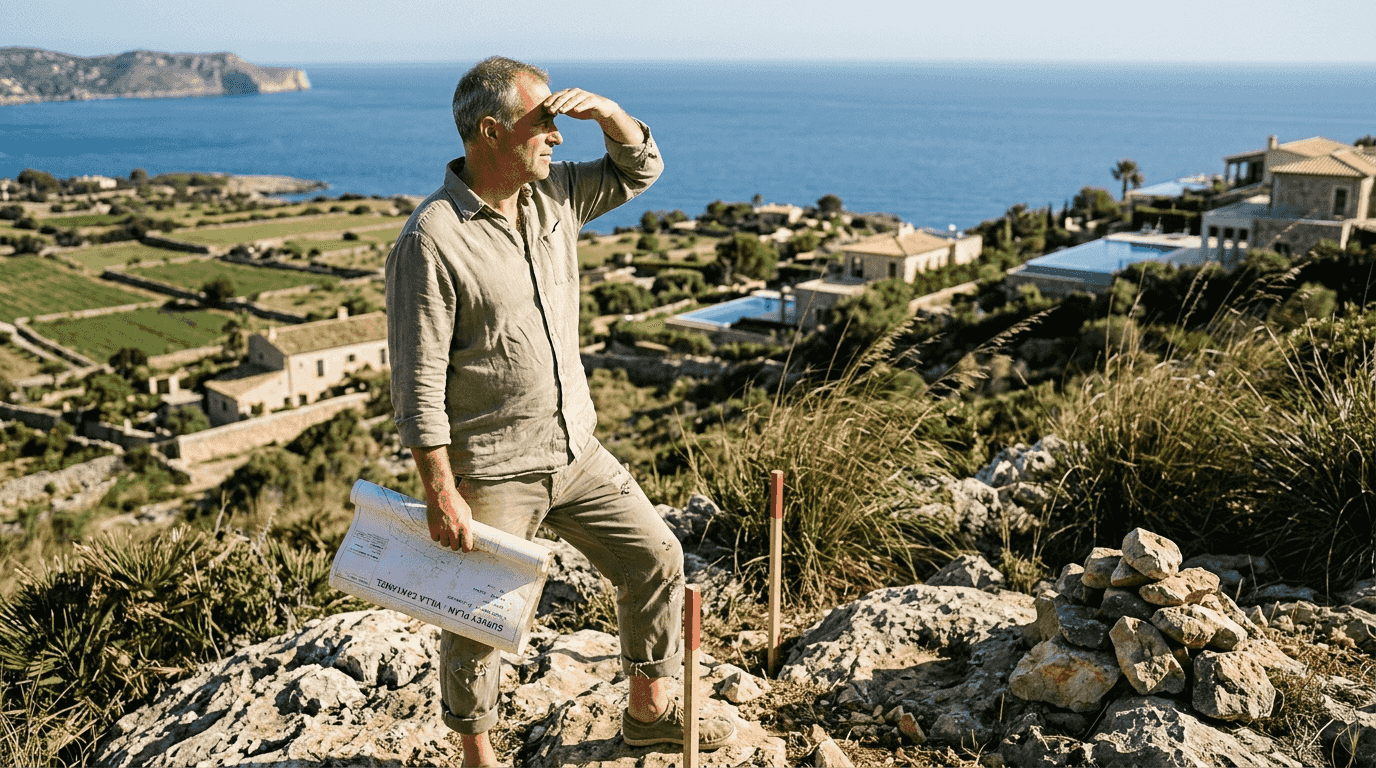
Finding valuable land for sale in Mallorca presents unique challenges for international investors. The island’s luxury property market combines stunning Mediterranean landscapes with complex zoning regulations and high demand from global buyers. Success requires understanding local planning rules, legal requirements, and development potential. This guide provides expert criteria to evaluate Mallorca land opportunities, compares top investment options, and delivers actionable strategies to maximize returns while navigating the purchase process smoothly.
Key takeaways
| Point | Details |
|---|---|
| Prime land appreciates strongly | Luxury Mallorca real estate grows 5-10% annually in top locations |
| Zoning determines building rights | Urban land allows construction while rural land faces strict restrictions |
| Legal checks prevent disputes | Thorough due diligence avoids costly ownership and permit problems |
| Protected zones limit development | Environmental regulations prohibit most new builds on rustic land |
| Expert guidance streamlines purchase | Professional advisors navigate complex rules and maximize ROI potential |
How to evaluate Mallorca land: 5 essential criteria
Selecting the right land parcel in Mallorca demands careful analysis of factors that directly impact development feasibility and investment returns. These five criteria separate promising opportunities from problematic purchases.
First, verify the zoning classification. Understanding zoning regulations determines whether you can build residential properties or face agricultural-only restrictions. Urban land permits construction projects while rural designations severely limit development options.
Second, assess location quality through multiple lenses. Sea views, proximity to Palma or coastal amenities, and existing infrastructure like roads and utilities all influence property value and buyer appeal. Remote parcels without services require substantial additional investment.
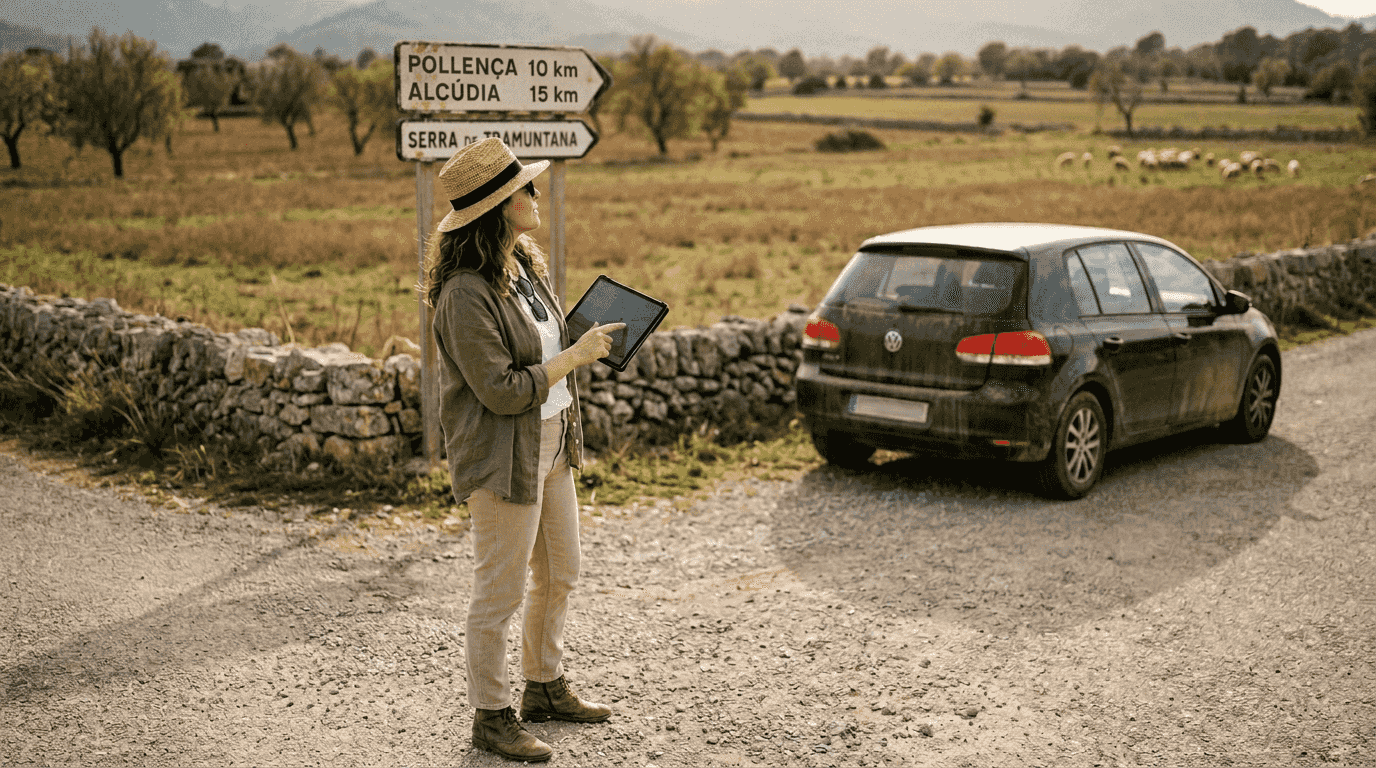
Third, investigate legal title clarity thoroughly. Review ownership history, boundary disputes, and any liens or encumbrances on the property. Unclear titles create expensive legal battles that derail projects and erode returns.
Fourth, confirm building permit availability and planning compliance. Local municipalities enforce specific requirements for plot size, road access, and environmental impact. Verify that your intended development aligns with current regulations before purchasing.
Fifth, check for natural protection designations that restrict development. Many Mallorca zones have environmental safeguards that prohibit new construction entirely. These limitations make land unsuitable for residential projects regardless of other positive attributes.
Pro Tip: Request an urban planning certificate from the local town hall before making offers. This document reveals exact zoning status, building coefficients, and any pending regulatory changes affecting your parcel.
Applying these criteria systematically helps you avoid costly mistakes. Cross-reference your findings with an investment property checklist and learn from common buyer mistakes to strengthen your evaluation process.
Understanding urban versus rural land options in Mallorca
Mallorca’s land market divides into two fundamental categories with dramatically different development potential and investment characteristics. Recognizing these distinctions prevents mismatched expectations and financial losses.
Urban land allows residential building projects subject to municipal planning regulations. These parcels typically include or can access essential services like water, electricity, and sewage systems. Building rights exist but require proper permits, architectural plans, and compliance with local density and height restrictions. Urban zones concentrate around established towns and developed coastal areas where infrastructure already exists.
Rustic or rural land faces substantially tighter controls. Agricultural activities remain the primary permitted use in most cases. Balearic Islands environmental regulations limit construction to preserve natural landscapes and prevent overdevelopment. Some large rural plots meeting minimum area thresholds may allow single-family homes under specific conditions, but these exceptions require extensive documentation and approvals.
Protected rural zones represent the most restrictive category. Environmental designations prohibit virtually all new residential construction to safeguard ecosystems, watersheds, and scenic vistas. These parcels suit agricultural ventures or conservation purposes but offer minimal development ROI for luxury investors.
“The distinction between urban and rustic land fundamentally determines your project’s viability. Assuming you can build on rural property without thorough legal verification leads to abandoned investments and regulatory penalties.”
Legal and planning complexities multiply with rural land purchases. Minimum plot sizes, maximum building footprints, architectural style requirements, and access road specifications all vary by municipality and zone. Expert consultation becomes essential rather than optional when considering non-urban parcels.
Building licenses demand proof of legal access, utility connections, and compliance with setback rules. The approval timeline stretches longer for rural properties due to additional environmental assessments and neighbor notifications. Budget extra time and legal fees for rural land development compared to straightforward urban projects.
Before committing to any land purchase, complete property document verification to confirm zoning status matches seller claims. Discrepancies between advertised potential and actual permissions create the most common source of buyer disappointment in Mallorca’s land market.
Top 5 land options in Mallorca for luxury investors in 2026
Mallorca offers distinct land categories that appeal to high-net-worth buyers seeking development opportunities or long-term appreciation. Each option presents unique advantages and considerations for investment strategy.
-
Prime coastal urban land with sea views: These parcels occupy the most desirable positions overlooking the Mediterranean in established resort areas or exclusive neighborhoods. Direct ocean vistas, walking distance to beaches and marinas, and full urban services make them ideal for luxury villa projects. Mallorca luxury real estate leads annual growth at 5-10%, with coastal properties commanding premium pricing. Building permissions exist but require architectural designs respecting local character and density limits.
-
Suburban urban plots near Palma: Land surrounding Mallorca’s capital offers excellent connectivity to the airport, international schools, and business districts while maintaining residential tranquility. These parcels cost significantly less than coastal equivalents yet provide strong appreciation potential as Palma expands. Zoning typically allows multi-unit developments or substantial single-family homes with pools and gardens.
-
Large rustic plots meeting building thresholds: Rural parcels exceeding minimum size requirements permit limited residential construction under strict conditions. These properties attract buyers seeking privacy, extensive grounds, and agricultural activities alongside a custom home. Legal compliance demands careful attention to environmental studies, architectural integration with landscape, and utility installation costs.
-
Protected rustic land with restoration opportunities: Some rural zones allow renovation of existing traditional structures like fincas or agricultural buildings into modern residences. New construction remains prohibited, but restoration projects preserve heritage while creating unique luxury homes. These investments suit buyers valuing authenticity and willing to navigate complex approval processes.
-
Mixed-use land parcels with commercial rights: Select urban plots permit both residential and commercial development, enabling creative projects combining retail, office, or hospitality uses with housing. These opportunities concentrate in growing towns and emerging neighborhoods where municipalities encourage economic activity.
Pro Tip: Focus on locations with confirmed infrastructure improvements planned for 2026-2028. New road connections, utility upgrades, or public transport extensions significantly boost land values before construction even begins.
Comparing these options requires analyzing your investment timeline, development expertise, and risk tolerance. Reference the buying steps guide and complete thorough property due diligence before selecting your preferred land category.
| Land Type | ROI Potential | Development Timeline | Legal Complexity |
|---|---|---|---|
| Prime coastal urban | Highest (8-10% annual) | 12-18 months | Moderate |
| Suburban urban | Strong (6-8% annual) | 10-14 months | Low to moderate |
| Large rustic plots | Moderate (4-6% annual) | 18-24 months | High |
| Protected rustic | Low (2-4% annual) | 24-36 months | Very high |
| Mixed-use parcels | Variable (5-9% annual) | 14-20 months | Moderate to high |
Comparing Mallorca land options: ROI, legal ease, and development potential
Structured comparison across critical metrics helps investors match land categories to their specific goals and capabilities. Understanding tradeoffs between return potential, regulatory hurdles, and project complexity guides smarter allocation decisions.
Prime coastal urban land delivers the highest appreciation and rental income potential but requires substantial upfront capital. Competition for these parcels remains intense among international buyers. Legal processes follow standard urban property transactions with moderate complexity. Development timelines prove relatively predictable once permits clear municipal review.
Suburban urban plots balance strong returns with lower entry costs and simpler approvals. Zoning restrictions tend toward straightforward residential use without excessive architectural constraints. These properties suit investors seeking steady appreciation without navigating rural land complications or paying coastal premiums.
Large rustic plots meeting building thresholds offer privacy and extensive grounds but demand rigorous compliance efforts. Failure in due diligence creates legal disputes and unexpected costs that devastate project budgets. Environmental assessments, minimum plot size verification, and utility connection planning all require professional guidance. Returns moderate compared to urban alternatives due to longer development cycles and limited buyer pools.
Protected rustic land shows minimal ROI potential for development-focused investors. Building without authorization triggers demolition orders and criminal penalties that eliminate any financial gains. These parcels suit agricultural ventures or very long-term land banking strategies rather than near-term construction projects. Legal complexity reaches maximum levels due to environmental restrictions and limited permitted uses.
Mixed-use parcels provide flexibility for creative projects combining residential and commercial elements. Returns vary widely based on location and specific zoning allowances. Legal review must confirm exact permitted uses and any restrictions on building types or tenant activities. Development complexity increases with mixed-use projects requiring coordination across multiple regulatory frameworks.
- Highest legal risk emerges when buyers skip thorough title searches and permit verification
- Coastal and suburban urban land offers the most straightforward path to project completion
- Rural properties demand expert legal and architectural consultation from project inception
- ROI calculations must include extended timelines and higher professional fees for complex parcels
- Market liquidity varies dramatically, with urban land reselling faster than rural alternatives
Successful investors align land selection with their experience level and available resources. First-time Mallorca buyers should prioritize urban parcels with clear building rights and established infrastructure. Experienced developers comfortable with regulatory complexity can pursue rural opportunities offering unique positioning and lower competition.
Review the closing process guide and due diligence timeline to understand exact steps and documentation requirements for your chosen land category.
Making the right Mallorca land investment in 2026: expert tips
Maximizing returns while minimizing risk requires following proven strategies that address Mallorca’s unique market conditions and regulatory environment. These expert recommendations help investors avoid expensive mistakes and accelerate project success.
Engage independent buyer agents with deep local market knowledge and no conflicts of interest. Agents representing sellers cannot provide unbiased guidance on property selection or negotiation strategy. Independent advisors access comprehensive market data and identify opportunities matching your specific investment criteria.
Perform exhaustive legal and architectural due diligence before signing purchase agreements. Consult real estate lawyers and architects to obtain urban planning reports confirming zoning status, building rights, and any restrictions affecting your intended use. This upfront investment prevents discovering deal-breaking issues after committing funds.
Avoid land parcels with unclear ownership histories or unresolved boundary disputes. Title problems create years of legal battles and often result in losing both the property and your investment. Insist on clean documentation showing unbroken ownership chain and no outstanding liens or claims.
Ensure complete compliance with zoning regulations and building codes before purchasing. Verify that your development plans align with current municipal requirements for plot coverage, building height, architectural style, and environmental impact. Regulations change periodically, so confirm rules effective in 2026 rather than relying on outdated information.
Plan realistic timelines and budgets incorporating permit approval delays and construction cost fluctuations. Mallorca’s building sector experiences capacity constraints during peak seasons. Factor contingency reserves of 15-20% for unexpected expenses or timeline extensions that commonly affect development projects.
- Prioritize locations with existing infrastructure over remote parcels requiring utility installation
- Request building feasibility studies from local architects before making offers
- Verify seller claims independently through municipal records and planning departments
- Build relationships with reputable contractors and project managers early in the process
- Consider phased development approaches for large parcels to manage cash flow and risk
Pro Tip: Time your purchase to align with your development timeline. Holding undeveloped land incurs property taxes and opportunity costs. Buy when you’re ready to begin the permit process within 3-6 months rather than speculating on future appreciation.
Reference comprehensive buying tips and utilize a detailed buying checklist to systematically address all critical considerations throughout your land acquisition and development journey.
Why choose ULI & LISA for your Mallorca land investment
Navigating Mallorca’s complex land market demands local expertise, independent representation, and comprehensive support from search through development completion. ULI & LISA specialize in helping high-net-worth international investors identify and secure luxury land opportunities that deliver exceptional returns.
Our independent buyer agent services ensure you receive unbiased guidance focused solely on your investment objectives. We represent your interests exclusively, with no conflicts from seller relationships or developer partnerships. This independence enables honest assessments of property value, development feasibility, and market positioning.
Deep local market knowledge allows us to identify emerging opportunities before they reach wider awareness. We track zoning changes, infrastructure projects, and market trends that signal appreciation potential. Our AI-powered search tools scan comprehensive property databases to surface parcels matching your specific criteria for location, size, zoning, and budget.
Comprehensive due diligence and legal coordination protect you from the title disputes, permit problems, and regulatory violations that plague uninformed buyers. We manage relationships with trusted real estate lawyers, architects, and urban planners who verify every aspect of property status and development potential.
Personalized support extends from initial property search through closing and into your development phase. We help coordinate permit applications, contractor selection, and project oversight to ensure your vision becomes reality. Our experience with safe property investment in Mallorca gives you confidence throughout the process.
Trusted by American and European investors, we understand the unique needs of international buyers navigating a foreign market. Our luxury real estate services address language barriers, cultural differences, and complex cross-border transactions that challenge buyers working without specialized representation.
What zoning types exist in Mallorca and how do they affect building?
Mallorca’s planning system divides land into urban and rural categories with dramatically different development rights. Urban zoning permits residential construction following municipal building codes and density requirements. Rural zoning restricts most new buildings to preserve agricultural and natural landscapes. Specific permits and compliance with environmental regulations remain mandatory regardless of zoning type.
Is it safe to buy rustic land in Mallorca for building purposes?
Purchasing rural land safely requires exhaustive legal verification and confirmed building licenses before closing. Protected rural zones severely restrict or completely prohibit new residential construction. Unauthorized building on rustic land triggers substantial fines, demolition orders, and potential criminal charges. Only proceed with rural purchases after property due diligence confirms your intended use complies with current regulations.
How long does the land purchase and development process take in Mallorca?
Complete due diligence and legal title verification typically require 4-8 weeks for straightforward urban properties. Building permit approval timelines vary from 3-6 months for simple projects to 12-18 months for complex rural developments requiring environmental assessments. Construction phases add another 8-18 months depending on project scope. Planning ahead with realistic timelines prevents costly delays and budget overruns. Review our due diligence timeline for detailed milestones.
What expert support is recommended when buying land in Mallorca?
Successful land purchases require coordinated expertise from real estate lawyers, licensed architects, independent buyer agents, and urban planning consultants. Lawyers verify title clarity and handle purchase contracts. Architects assess building feasibility and prepare permit applications. Independent agents provide market knowledge and negotiation support. Urban planners interpret zoning regulations and development restrictions. These professionals minimize legal risk and maximize project success through their specialized knowledge. Explore our comprehensive luxury real estate services for complete advisory support.
Recommended
- Mallorca Real Estate Market Forecast 2025 - ULI & LISA Mallorca Property Blog
- Mallorca Real Estate Market 2025 – Key Trends for U.S. Buyers - ULI & LISA Mallorca Property Blog
- 7 Best Areas to Buy Property in Mallorca (2025 Edition) - ULI & LISA Mallorca Property Blog
- Mallorca Investment Property: Smart Moves for 2026 Buyers - ULI & LISA Mallorca Property Blog