
More than $1 billion is invested annually by American buyers in luxury European real estate. For discerning American professionals seeking prime property in Mallorca, the demand is fueled by limited supply, robust appreciation, and the allure of Mediterranean living. Securing your ideal investment goes far beyond choosing a villa or seafront apartment. This guide reveals what every American investor should know to maximize returns and confidently navigate Mallorca’s exclusive luxury property market.
Key Takeaways
| Point | Details |
|---|---|
| Strategic Investment | Mallorca investment properties are evaluated for financial returns through appreciation and rental income, making them distinct from traditional home purchases. |
| Property Categories | Investors should consider various property types such as vacation rentals, long-term residential, commercial, and speculative development, each offering unique risk and return profiles. |
| Legal and Tax Compliance | American investors must navigate Spanish regulations, including tax identification and compliance with local laws, to avoid potential penalties. |
| Risk Management | Implementing robust risk management strategies, including thorough due diligence and diversification, is crucial to protect investments from economic volatility. |
Mallorca Investment Property Defined
A Mallorca investment property represents a strategic real estate acquisition in one of Spain’s most desirable Mediterranean locations, designed to generate financial returns through appreciation, rental income, or both. Unlike traditional residential purchases, these properties are specifically evaluated for their economic potential and long-term value creation. The Spanish real estate market offers unique opportunities for international investors, particularly in understanding property investment mechanisms) that extend beyond simple homeownership.
Investment properties in Mallorca typically fall into several distinct categories: vacation rental properties, long-term residential rentals, commercial real estate, and speculative development opportunities. Each category presents different risk profiles and potential returns. Sophisticated investors often focus on properties in prime locations like Palma de Mallorca, Port Andratx, and Pollensa, where consistent demand from international buyers supports robust property values. These strategic investments require comprehensive understanding of local market dynamics, legal frameworks, and potential tax implications for non-resident property owners.
Here’s a summary comparing investment property categories in Mallorca:
| Category | Typical Buyer Focus | Risk Profile | Potential Returns |
|---|---|---|---|
| Vacation Rentals | Short-term tourists | Moderate | High seasonal income |
| Long-term Residential | Relocation or expats | Lower | Stable annual income |
| Commercial Real Estate | Business operators | Higher | Strong growth in prime areas |
| Speculative Development | Developers and builders | Highest | Potential for large gains |
The investment potential in Mallorca is particularly compelling due to several key factors: a stable European Union real estate market, strong tourism infrastructure, limited housing supply in premium locations, and consistent international interest. Successful investors typically conduct thorough due diligence, analyzing historical price trends, rental yield potential, and local economic indicators. Notably, properties purchased as investments must comply with specific Spanish regulations, including obtaining necessary rental licenses and understanding tax obligations for non-resident property owners.
Pro tip: Before committing to a Mallorca investment property, engage a local real estate professional who specializes in international transactions to navigate complex legal and financial requirements effectively.
Prime Property Types and Luxury Areas
Mallorca’s luxury real estate market offers an exceptional array of property types catering to discerning international investors, with each region presenting unique architectural and lifestyle opportunities. Across diverse geographical zones, property styles range from modern apartments in urban Palma to expansive mountain villas in the Serra de Tramuntana, providing investors multiple strategic investment channels. The island’s real estate landscape is characterized by remarkable diversity, allowing buyers to select properties that align with specific investment goals and personal preferences.
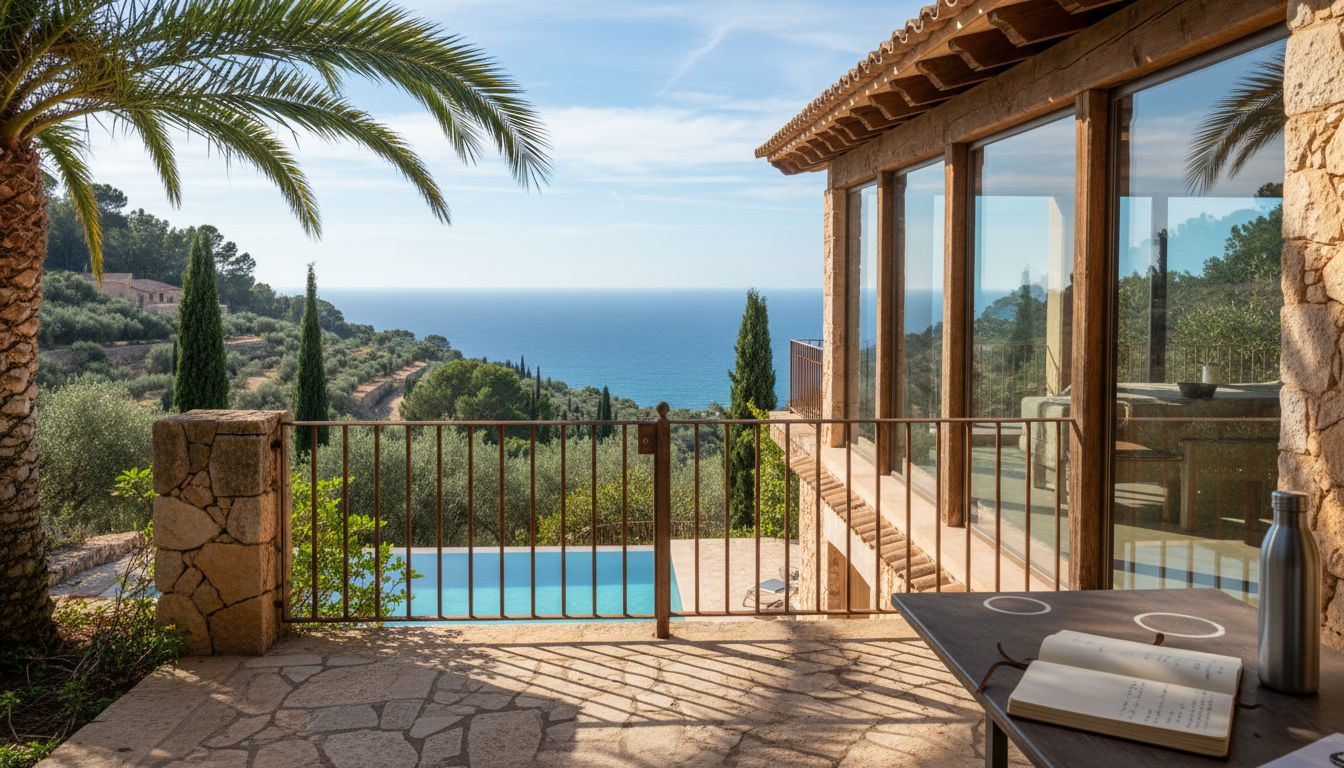
The most prestigious property types in Mallorca include standalone luxury villas, contemporary seafront apartments, traditional country estates (fincas), and sophisticated townhouses. Premium locations like Port Andratx, Santa Ponsa, and Palma de Mallorca consistently attract high-net-worth international buyers seeking exceptional real estate investments. These areas offer stunning Mediterranean views, proximity to world-class amenities, and robust property appreciation potential. Investors typically prioritize properties with unique features such as sea views, private pools, historic architectural elements, and sustainable design characteristics.
Investment strategies in Mallorca’s luxury market require nuanced understanding of regional micro-markets. The Serra de Tramuntana region, a UNESCO World Heritage site, offers distinctive mountain properties with extraordinary architectural heritage, while coastal zones like Pollensa provide contemporary villa investments with strong rental potential. Sophisticated investors analyze factors beyond aesthetic appeal, including property appreciation rates, rental yield potential, legal restrictions on short-term rentals, and long-term economic sustainability of specific neighborhoods.
Pro tip: Conduct comprehensive due diligence by partnering with local real estate experts who understand Mallorca’s complex property landscape and can identify investment opportunities that align with your specific financial objectives.
Buying Process for American Investors
American investors approaching the Mallorca real estate market must navigate a complex international purchasing landscape that requires strategic planning and comprehensive understanding of cross-border investment protocols. Portfolio management principles play a critical role in structuring these international property acquisitions, emphasizing the importance of thorough due diligence and professional guidance throughout the transaction process.
The buying process for American investors in Mallorca involves several key stages that differ significantly from domestic real estate transactions. Initial steps include obtaining a Spanish tax identification number (NIE), establishing a local bank account, and securing legal representation specializing in international property transfers. Investors must also navigate unique financial requirements, such as proving fund origins, understanding Spanish property tax structures, and managing currency exchange considerations. Critically, non-resident investors face additional regulatory scrutiny, requiring comprehensive documentation including passport copies, proof of funds, and detailed investment purpose statements.
Financial preparation represents a crucial component of the Mallorca property acquisition strategy for American investors. This includes understanding mortgage options for non-residents, which typically involve higher down payment requirements and more stringent approval processes compared to domestic purchases. Sophisticated investors often leverage professional financial advisors who specialize in international real estate investments to optimize tax efficiency, structure potential rental income, and develop long-term investment strategies that align with broader portfolio objectives.
Pro tip: Engage a bilingual legal professional with specific expertise in Spanish real estate law and American international investment regulations to ensure a seamless and compliant property acquisition process.
Legal and Tax Compliance in Spain
American investors purchasing property in Mallorca must navigate a complex legal and tax landscape that requires meticulous attention to Spanish regulatory frameworks. Taxation regulations in Spain present unique challenges for international property owners, encompassing national and regional tax obligations that differ substantially from United States real estate investment protocols. Understanding these nuanced legal requirements is crucial for maintaining compliance and avoiding potential financial penalties.
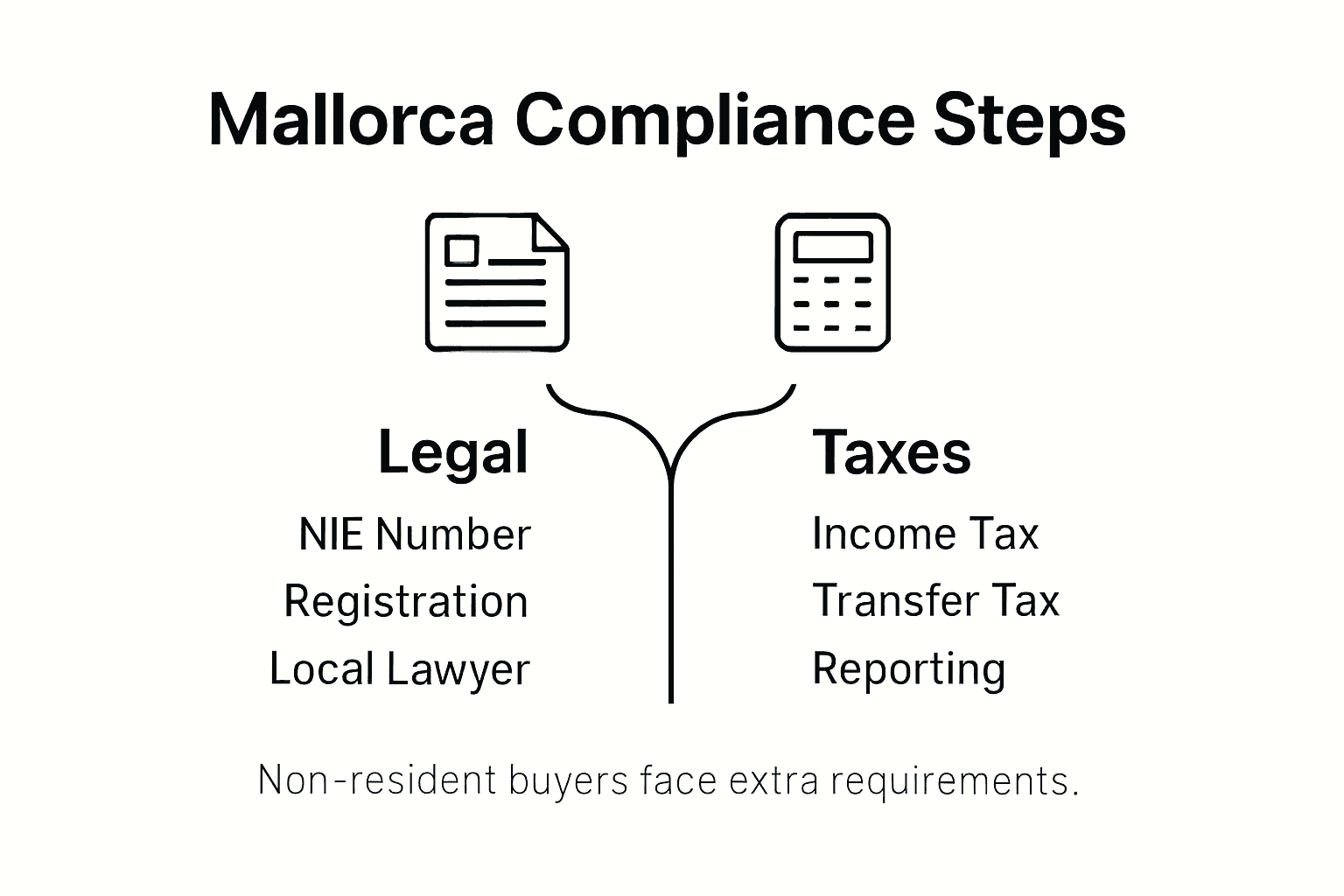
The Spanish property ownership system involves multiple layers of legal documentation and tax reporting. Non-resident property owners must register with local tax authorities, obtain a Spanish tax identification number (NIE), and submit annual tax declarations. Key tax obligations include nonresident income tax, property transfer tax, and annual property taxes that vary depending on the property’s value and intended use. American investors must also consider potential double taxation issues, requiring careful strategic planning and potentially engaging specialized cross-border tax professionals to ensure full legal compliance.
Property registration represents a critical component of legal compliance for international investors in Spain. The Spanish land registry system provides a comprehensive framework for documenting and protecting property ownership rights, requiring detailed documentation and precise legal procedures. Investors must complete thorough due diligence, including property title searches, verification of potential legal encumbrances, and confirmation of accurate property boundaries. This process demands comprehensive legal review to mitigate potential risks associated with international real estate investments.
Comparing key legal and tax steps for American investors in Mallorca:
| Requirement | Purpose | Common Challenges |
|---|---|---|
| Spanish Tax ID (NIE) | Register ownership, pay taxes | Time to obtain, official paperwork |
| Local Bank Account | Handle transactions and payments | Bank requirements, language barrier |
| Annual Tax Declarations | Maintain compliance | Understanding dual taxation issues |
| Legal Title Registration | Secure property rights | Navigating Spanish registry system |
Pro tip: Engage a bilingual legal specialist with expertise in Spanish property law and international tax regulations to develop a comprehensive compliance strategy that addresses both Spanish and American regulatory requirements.
Managing Risks and Avoiding Costly Mistakes
American investors in the Mallorca real estate market must develop sophisticated risk management strategies to protect their international property investments. Systemic financial risks identified by economic assessments highlight the critical importance of comprehensive due diligence and proactive investment protection. The complex landscape of international property investment demands a multifaceted approach that addresses economic volatility, legal complexities, and potential market fluctuations.
Key risk mitigation strategies for Mallorca property investments include diversifying investment portfolios, conducting thorough property inspections, and maintaining robust legal and financial documentation. Investors should pay particular attention to potential hidden costs such as unexpected renovation requirements, complex tax implications, and potential changes in local rental regulations. Critical risk management steps include obtaining comprehensive property insurance, establishing emergency repair funds, and developing flexible exit strategies that account for potential market downturns or personal financial changes.
Financial risks extend beyond simple property acquisition, encompassing currency exchange fluctuations, potential changes in Spanish tax regulations, and broader economic shifts that could impact property values. Sophisticated investors utilize advanced financial tools such as hedging strategies, comprehensive international tax planning, and ongoing market analysis to minimize potential negative economic impacts. This approach requires continuous monitoring of both local Mallorca real estate trends and broader European economic indicators that might influence investment performance.
Pro tip: Create a comprehensive risk management portfolio that includes detailed financial projections, multiple contingency plans, and quarterly reviews of your Mallorca property investment strategy to maintain financial flexibility and minimize potential economic vulnerabilities.
Navigate Your Mallorca Investment Property Journey with Confidence
The article highlights the challenges American investors face when purchasing Mallorca investment property including complex legal requirements, tax compliance, and understanding diverse luxury property options. You want to avoid costly mistakes, navigate the Spanish property system smoothly, and maximize your returns through smart, well-informed decisions. Terms like NIE, non-resident tax obligations, and regional market nuances can feel overwhelming without expert help.
ULI & LISA specialize in assisting international buyers by offering advanced, AI-powered property searches combined with personalized guidance tailored to your unique needs. We help you understand the intricacies of Mallorca’s market and legal landscape so you can confidently acquire prime investment properties that align with your financial objectives. Start your journey now with our exclusive investment property solutions and experience a seamless buying process crafted specifically for American buyers.
Are you ready to make smart moves in Mallorca’s market in 2026 Grab this opportunity to work with trusted local experts who speak your language and understand your challenges Visit ULI & LISA today and let us guide you to the perfect Mallorca investment property before competitors do
Frequently Asked Questions
What types of investment properties are available in Mallorca?
Investment properties in Mallorca typically include vacation rentals, long-term residential rentals, commercial real estate, and speculative development opportunities. Each category has different risk profiles and potential returns.
What should American investors know about the buying process in Mallorca?
American investors need to obtain a Spanish tax identification number (NIE), establish a local bank account, and secure legal representation that specializes in international property transactions. Understanding the unique financial requirements and documentation needed is crucial.
What are the tax implications for non-resident property owners in Mallorca?
Non-resident property owners must register with local tax authorities, pay non-resident income tax, property transfer tax, and annual property taxes. Engaging a tax professional familiar with cross-border regulations is advisable to ensure compliance.
How can investors mitigate risks when buying property in Mallorca?
Investors can mitigate risks by diversifying their investment portfolios, conducting thorough property inspections, and maintaining robust legal and financial documentation. It’s also important to anticipate potential hidden costs and changes in local regulations.
Recommended
- Understanding Mallorca Property Investment Tips for Buyers - ULI & LISA Mallorca Property Blog
- 7 Key Property Market Trends Mallorca 2025 You Must Know - ULI & LISA Mallorca Property Blog
- 7 Key Property Market Trends Mallorca 2025 You Must Know - ULI & LISA Mallorca Property Blog
- Mallorca Real Estate Market Forecast 2025 - ULI & LISA Mallorca Property Blog
- 2025 Timeshare Trends: Complete Guide for Owners – Complete Transfers
- Houses to Let by Owner: A Complete Guide (2025) - Guestly Homes