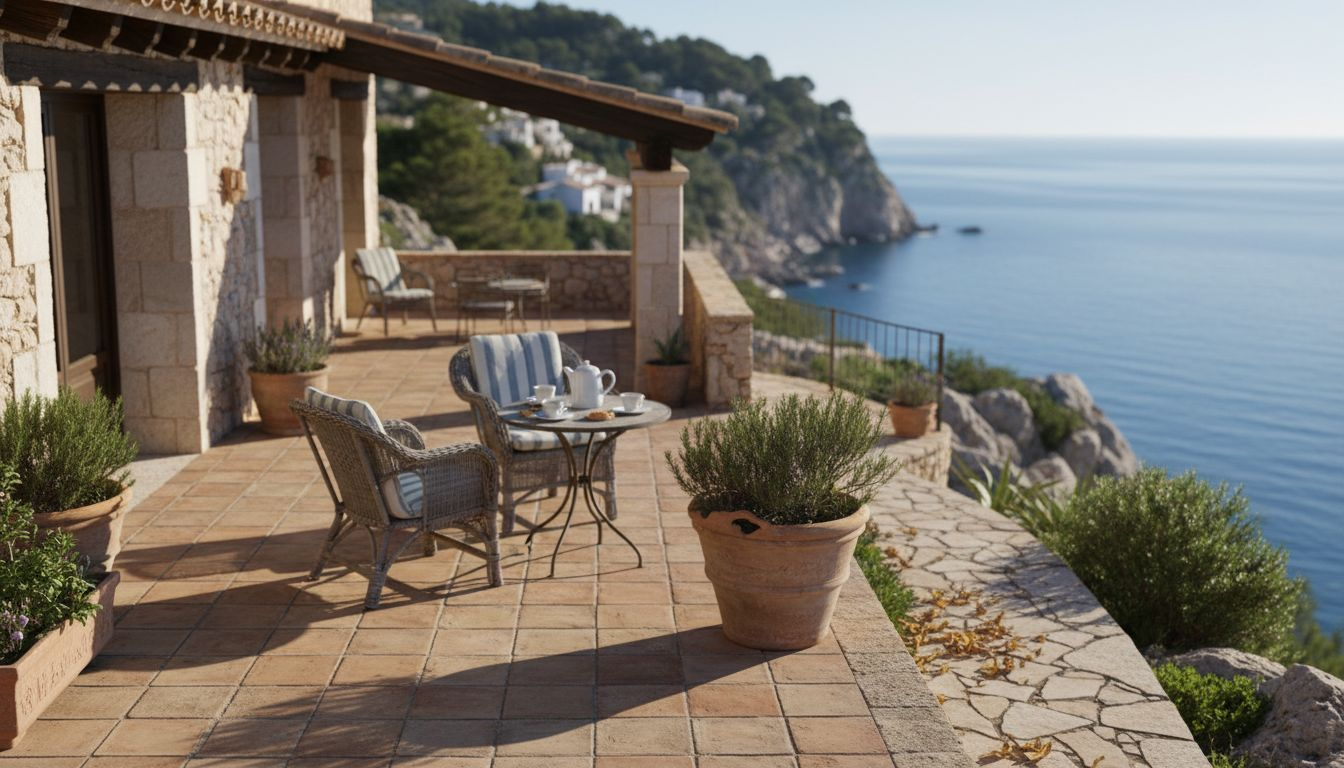
Retiring in Mallorca is more than a dream—it is a strategic move for American professionals who want luxury, control, and peace of mind during their next chapter. The challenge lies in building a custom home that fits your vision while navigating Spanish property laws and unique building regulations. This guide unpacks how personalized design, site-responsive architecture, and the regulatory realities of Mallorca shape your investment, so you can plan confidently for a seamless transition to Mediterranean living.
Key Takeaways
| Point | Details |
|---|---|
| Customized Design | Building a custom home in Mallorca allows you to create a residence tailored specifically to your lifestyle and preferences. |
| Regulatory Navigation | Understanding local property laws and building regulations is crucial for a smooth construction process and avoids potential delays. |
| Investment Potential | Custom homes in Mallorca can appreciate significantly, providing both personal enjoyment and financial returns as an asset. |
| Timeline Considerations | Custom homes typically require an 18–24 month construction period, impacting your investment and liquidity during that time. |
Custom Homes in Mallorca: What It Means
Building a custom home in Mallorca goes far beyond selecting a pre-existing property. It means creating a residence designed exclusively for your lifestyle, your vision, and the specific characteristics of your chosen location on this Mediterranean island.
At its core, a custom home is a property built from the ground up according to your exact specifications. Unlike purchasing an existing home, you direct every decision—from the architectural style to the final interior finishes.
Mallorca’s custom home market thrives because the island demands site-responsive design. The island’s heritage and landscape require architects and builders to respect zoning regulations, natural terrain, and local building codes that differ significantly from mainland Spain or your home country.
Custom construction here blends modern performance with traditional materials. You’ll often see homes featuring locally sourced stone, Mediterranean architectural influences, and design elements that integrate seamlessly with the surrounding landscape rather than dominating it.
For American retirees, this distinction matters considerably. Your custom home can be engineered for your specific needs:
- Climate control systems adapted to Mediterranean heat patterns
- Layout designs that accommodate multigenerational family visits or frequent entertaining
- Smart home technology meeting American standards while complying with European electrical codes
- Accessibility features incorporated from the foundation up, not retrofitted later
- Outdoor living spaces optimized for year-round Mediterranean weather
Custom homes in Mallorca are not mass-produced; they’re individually crafted to reflect both your personal vision and the island’s unique environmental and regulatory context.
The process typically involves five major phases: securing the ideal plot, hiring an architect familiar with local regulations, conducting soil and site studies, obtaining building permits, and selecting a qualified builder experienced in Mallorca’s specific construction requirements.
This isn’t a quick process. From permit approval to completion, custom home construction typically spans 18-24 months, sometimes longer depending on complexity and design scope.
Understanding what “custom” truly means in Mallorca’s context helps you set realistic expectations and make informed decisions about your retirement investment.
Pro tip: Start by identifying your non-negotiable requirements—whether that’s proximity to coastal villages, privacy on a large estate, or specific architectural style—before engaging an architect, as these factors significantly influence site selection and design direction.
Luxury Living: Tailoring Mallorca to Your Lifestyle
Custom home building in Mallorca offers something most retirement destinations cannot: the ability to design your entire lifestyle from the ground up. This goes beyond aesthetics—it’s about creating the exact environment where you want to spend your next chapter.
When you build custom, you control how your home interacts with the Mediterranean climate. Your thermal design can optimize natural ventilation to reduce cooling costs while maintaining comfort through scorching summers.
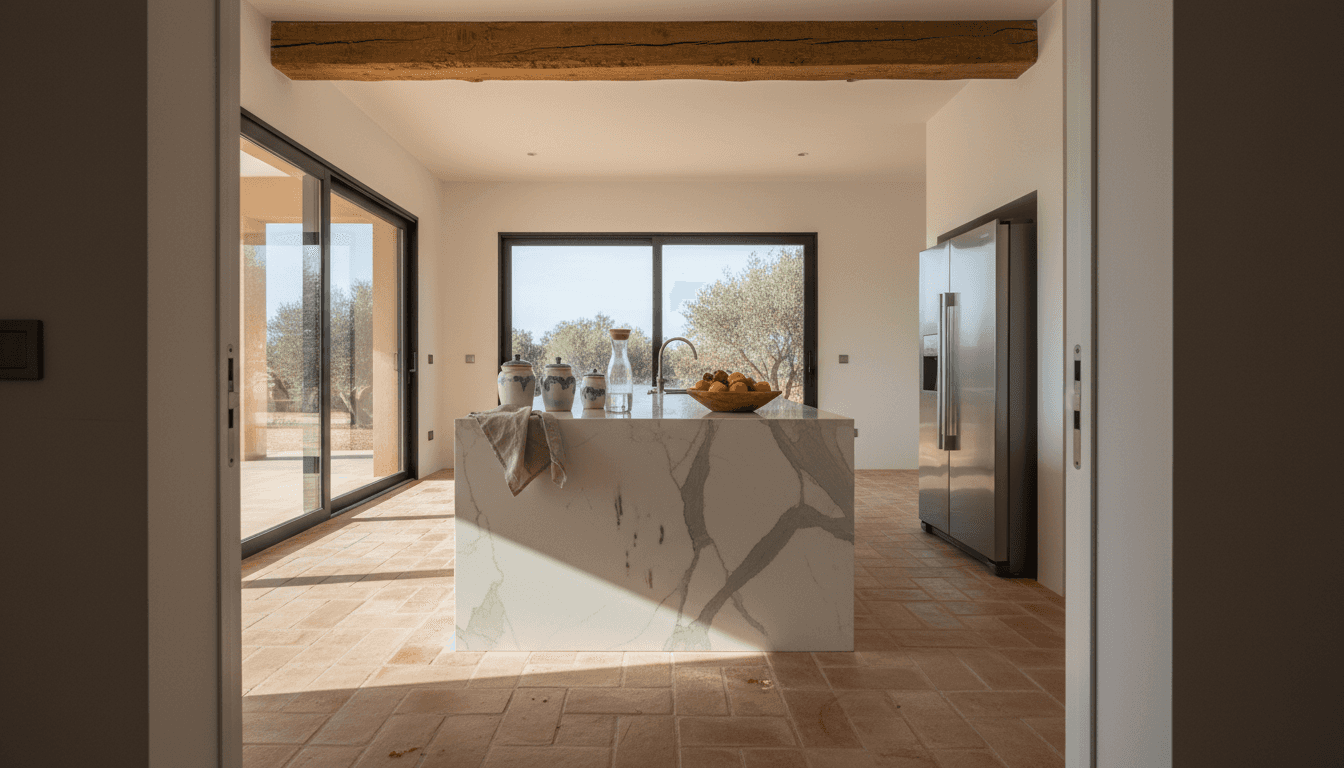
Your daily rhythms matter too. Perhaps you want a sprawling kitchen for hosting family gatherings, or a dedicated office overlooking the sea for video calls with stateside colleagues.
Location choices expand dramatically with custom construction. You can select from must-have neighborhoods offering Mediterranean charm or secluded hilltop properties where privacy trumps convenience.
Consider what your retirement actually looks like:
- Morning routines: Do you need an ocean-view breakfast terrace or a quiet garden for morning coffee?
- Social life: Will you entertain frequently, requiring multiple outdoor spaces and guest accommodations?
- Wellness priorities: Does your home need a gym, spa, yoga pavilion, or wine cellar?
- Work flexibility: Do you maintain professional pursuits requiring office infrastructure and high-speed connectivity?
- Accessibility: As you age, should your home anticipate mobility needs with main-floor bedrooms and accessible bathrooms?
The luxury of custom building is not just about square footage or finishes—it’s about architecting your ideal daily life into every room.
Mallorca’s custom homes can incorporate American comfort standards while respecting Spanish building codes and environmental regulations. You’re not compromising; you’re thoughtfully blending two worlds.
Your architect becomes your lifestyle translator, converting abstract retirement dreams into detailed specifications—floor plans, materials, systems, and spatial flow.
This personalization extends beyond the home itself. Your property can integrate seamlessly with Mallorca’s outdoor culture: alfresco dining areas positioned for sunset views, gardens featuring drought-resistant Mediterranean plants, swimming pools designed for year-round enjoyment.
The result is a home that doesn’t just shelter you—it actively enhances how you live, move, relax, and connect with this remarkable island.
Pro tip: Create a detailed lifestyle questionnaire before meeting with architects, documenting your daily routines, entertainment preferences, wellness priorities, and long-term mobility considerations—this clarity drives smarter design decisions and prevents costly revisions.
Property Laws and Building Regulations Explained
Building a custom home in Mallorca means navigating a regulatory framework designed to protect the island’s heritage, environment, and character. This is not bureaucratic red tape—it’s thoughtful governance that affects your project timeline, costs, and final design.
Spain’s property laws differ substantially from American regulations. Unlike many U.S. states where zoning is relatively straightforward, Mallorca employs layered protections including environmental regulations, heritage preservation rules, and strict coastal development restrictions.
Every custom home project requires planning permission from local authorities. Local building regulations protect the island’s environmental integrity and architectural heritage, meaning your architectural vision must satisfy official standards before construction begins.
Three critical regulatory layers affect your project:
- Zoning compliance: Your property must conform to its designated use classification
- Environmental assessments: Mallorca safeguards water resources, protected ecosystems, and natural landscapes
- Architectural standards: Design must respect regional aesthetic traditions and material requirements
The permit process typically unfolds over 6-12 months, though complexity can extend timelines significantly. Your licensed architect becomes essential here—they navigate technical requirements and submit applications on your behalf.
Taxation also intertwines with construction. Spain applies value-added tax (IVA) to new construction at 21%, and property transfer taxes apply when you purchase land. Understanding these costs upfront prevents unpleasant surprises later.
Working with licensed professionals is not optional in Spain—it’s legally mandated and financially prudent, as they understand how regulations affect design, timeline, and budget.
Americans often underestimate how strictly Mallorca enforces building codes. Coastal properties face additional scrutiny. Historic zones demand period-appropriate materials and architectural elements. Protected natural areas require environmental impact studies.
Certain restrictions apply universally across the island:
- Building height limits vary by zone but are rigorously enforced
- Property setbacks from neighbors and property lines are non-negotiable
- Certain materials and colors are restricted in heritage areas
- Water usage during construction is regulated during dry seasons
One unique consideration: Spain’s Ley de Costas (Coastal Law) creates a 100-meter protected zone along the shoreline where construction faces severe limitations. If your retirement dream involves beachfront property, expect this restriction to shape your design possibilities significantly.
Hiring experienced professionals—architects familiar with American clients, builders with proven track records, and tax advisors who understand cross-border implications—transforms regulatory compliance from obstacle into advantage.
Pro tip: Budget an additional 15-20% of construction costs for permit fees, regulatory compliance, and professional services; this prevents financial strain if unexpected environmental assessments or heritage reviews delay your project timeline.
Investment Value: Financial and Tax Impacts
Building a custom home in Mallorca represents more than lifestyle—it’s a substantial financial commitment with real wealth-building potential. Understanding the investment dynamics helps you make decisions aligned with both retirement goals and financial reality.
Mallorca’s luxury real estate market has demonstrated resilience and consistent appreciation. Properties in prime locations appreciate at rates outpacing inflation, particularly custom homes that combine location, design quality, and lifestyle appeal.
Your custom home becomes an asset with tangible value. Unlike renting perpetually, ownership builds equity while you enjoy the property. When you eventually sell, that appreciation transfers to your estate or next chapter.
Tax implications significantly affect your investment returns. Spain taxes property ownership through annual property tax (IBI), which varies by location but typically ranges from 0.4% to 1.1% of assessed value annually. This is considerably lower than many U.S. states.
Understanding investment potential across Mallorca’s luxury market helps contextualize your custom home within broader market dynamics and appreciation trajectories.
Key financial considerations affecting your investment:
- Capital gains tax: Spain taxes property sales; non-residents pay approximately 19% on gains, residents benefit from primary residence exemptions
- Inheritance tax: Spanish succession law differs from U.S. structures; planning with cross-border advisors prevents complications
- Rental income potential: If you rent your property during non-occupancy periods, rental income is taxable but can offset ownership costs
- Currency exposure: Euro-denominated assets hedge against dollar fluctuations, valuable for long-term retirement planning
A custom home investment combines personal enjoyment with financial prudence—you live beautifully while building wealth, an outcome rarely achievable through either retirement residence OR investment property alone.
Many American retirees overlook the primary residence advantage. Spain’s tax code favors owner-occupied homes over investment properties. If Mallorca becomes your primary residence, you qualify for significant tax benefits unavailable to investment-only buyers.
Construction costs represent your largest upfront investment. Custom homes typically cost €2,500–€5,000 per square meter depending on location, finishes, and complexity. Factor in permits, professional fees, and contingencies when budgeting.
Propertyvaluation increases as your custom home completion nears. A €3 million custom home typically appreciates 4–6% annually in prime Mallorca locations, substantially higher than broader European real estate markets.
Your architect and builder choices directly impact long-term value. Premium construction quality, recognized design aesthetics, and superior locations command higher resale values. Cutting corners on construction quality erodes future appreciation.
Pro tip: Consult with a cross-border tax advisor specializing in American-to-Spain property transactions before beginning construction; strategic planning around primary residence status, rental strategies, and inheritance structures can reduce tax liability by 30-40% over your ownership period.
For quick reference, here are major financial and regulatory considerations when building a custom home in Mallorca:
| Consideration | Description | Impact on Buyers |
|---|---|---|
| Permit Fees | 15–20% of construction budget | Can affect total project cost |
| Construction Cost | €2,500–€5,000 per sqm | Budget must reflect desired quality |
| VAT (IVA) | 21% applied to new construction | Adds to upfront expenses |
| Property Tax (IBI) | 0.4%–1.1% of assessed value yearly | Lower than most U.S. states |
| Coastal Law | 100-meter restrictions from shoreline | Limits beachfront opportunities |
| Capital Gains Tax | 19% for non-residents | Affects investment returns |
Comparing Custom Homes to Move-In Ready Options
Retiring to Mallorca forces a fundamental choice: buy an existing luxury property or build custom. This decision shapes your next 20-30 years, so understanding the tradeoffs matters profoundly.
Move-in ready homes offer immediate occupancy. You see exactly what you’re buying, avoid construction timelines, and start enjoying Mallorca within weeks. This appeals to retirees prioritizing quick transitions over customization.
But here’s where custom homes diverge significantly. Building custom allows you to design accessibility features and layouts suited for aging in place, something existing homes rarely accommodate without expensive retrofitting.
Consider these practical differences:
Move-In Ready Properties:
- Immediate occupancy and lifestyle enjoyment
- Known condition and established maintenance history
- Limited customization options without costly renovations
- Fixed layout that may not suit aging needs
- Existing property management systems to learn
Custom Homes:
- 18-24 month construction timeline before occupancy
- Full control over design, materials, and systems
- Built-in accessibility from day one, reducing future costs
- Layout optimized for your specific lifestyle requirements
- Modern systems requiring minimal maintenance during early retirement years
Move-in ready homes offer convenience; custom homes offer control. Your choice depends on whether you value speed or customization in your retirement vision.
Maintenance costs reveal another crucial distinction. Existing properties often hide deferred maintenance. You inherit previous owner decisions about HVAC systems, plumbing, electrical infrastructure, and structural elements that may require expensive replacement within five years.
Custom homes arrive with modern systems under warranty. You control material quality, efficiency standards, and longevity. Over a 25-year retirement, superior construction quality saves substantially on repairs and replacements.
Financial timelines differ markedly. Move-in ready purchases close in 4-8 weeks. Custom construction ties up capital for 18-24 months before occupancy. If liquidity matters for other retirement plans, existing properties provide faster access to your Mallorca residence.
Lifestyle personalization favors custom homes overwhelmingly. Existing properties force compromises—maybe the kitchen faces wrong for your entertaining preferences, or bedrooms lack soundproofing, or outdoor spaces don’t match your vision.
Custom homes eliminate compromise. Your morning coffee terrace faces sunrise. Guest suites include private entrances. Garden layouts accommodate your specific entertaining style. Wine cellars integrate seamlessly rather than wedging awkwardly into spaces designed for different purposes.
The decision often hinges on your retirement personality. Action-oriented retirees preferring immediate lifestyle immersion gravitate toward move-in ready. Detail-focused retirees willing to invest patience for perfect customization choose building custom.
To better understand the distinctions between custom and move-in ready homes in Mallorca, here’s a concise comparison:
| Decision Factor | Custom Home | Move-In Ready |
|---|---|---|
| Personalization Level | Full control over design | Limited to existing layout |
| Timeline to Occupancy | 18–24 months | 4–8 weeks |
| Maintenance Costs | Lower initial, modern systems | Potential hidden, older systems |
| Accessibility Features | Integrated from start | Often requires retrofitting |
| Investment Potential | Higher resale value from customization | Market-based, less differentiated |
| Lifestyle Flexibility | Tailored to owner’s routines | Must adapt to current setup |
Pro tip: If pursuing custom construction, negotiate architect contracts allowing design flexibility through first two phases before finalizing plans; this balances your vision with budget realities and prevents expensive mid-construction modifications.
Discover Your Perfect Custom Home Journey in Mallorca
Building a custom home in Mallorca offers unparalleled freedom to design your ideal retirement lifestyle but comes with challenges like navigating complex property laws, lengthy construction timelines, and ensuring your home meets both American comfort standards and local regulations. If you seek to avoid costly delays, misunderstandings, or compromises in personalization, expert guidance is essential for success.
At ULI & LISA, we specialize in helping international buyers, especially American retirees, confidently navigate Mallorca’s luxury real estate market. Our advanced AI-powered tools provide comprehensive, unbiased property searches, including plots for custom builds and premium neighborhoods. We offer personalized support that respects the unique aspects of custom home construction such as zoning compliance and lifestyle optimization.
Are you ready to turn your retirement dream into reality with a tailor-made home in Mallorca? Explore how our expertise can simplify your journey by visiting ULI & LISA. Learn more about the advantages of building custom, and take the first step towards designing a home that truly reflects you. Contact us now to start planning a seamless buying experience you can trust.
Frequently Asked Questions
What are the main benefits of building a custom home in Mallorca for retirement?
Building a custom home in Mallorca allows you to design a residence tailored to your lifestyle, preferences, and specific environmental needs. You can incorporate features like energy-efficient systems, accessibility options, and outdoor spaces that enhance your daily living.
How long does the custom home building process typically take?
The process of building a custom home in Mallorca usually takes between 18 to 24 months, depending on various factors such as the complexity of the design and the time required for obtaining necessary permits.
What are the key regulatory considerations for building a custom home?
When building a custom home, you must navigate local building regulations, including zoning compliance, environmental assessments, and architectural standards. These regulations ensure that your project aligns with local heritage and environmental protection efforts.
How does building a custom home compare to purchasing a move-in ready property?
Custom homes provide full control over design and accessibility features, allowing for personalization tailored to your life. In contrast, move-in ready properties allow immediate occupancy but may require compromises on layout and features, potentially hindering long-term comfort.
Recommended
- Understanding the Mallorca Retirement Property Guide - ULI & LISA Mallorca Property Blog
- Why Mallorca Second Homes Offer Lasting Value - ULI & LISA Mallorca Property Blog
- Mallorca Luxury Homes: Investment and Lifestyle Perks - ULI & LISA Mallorca Property Blog
- 4 Examples of Family Homes Mallorca Buyers Should Know - ULI & LISA Mallorca Property Blog