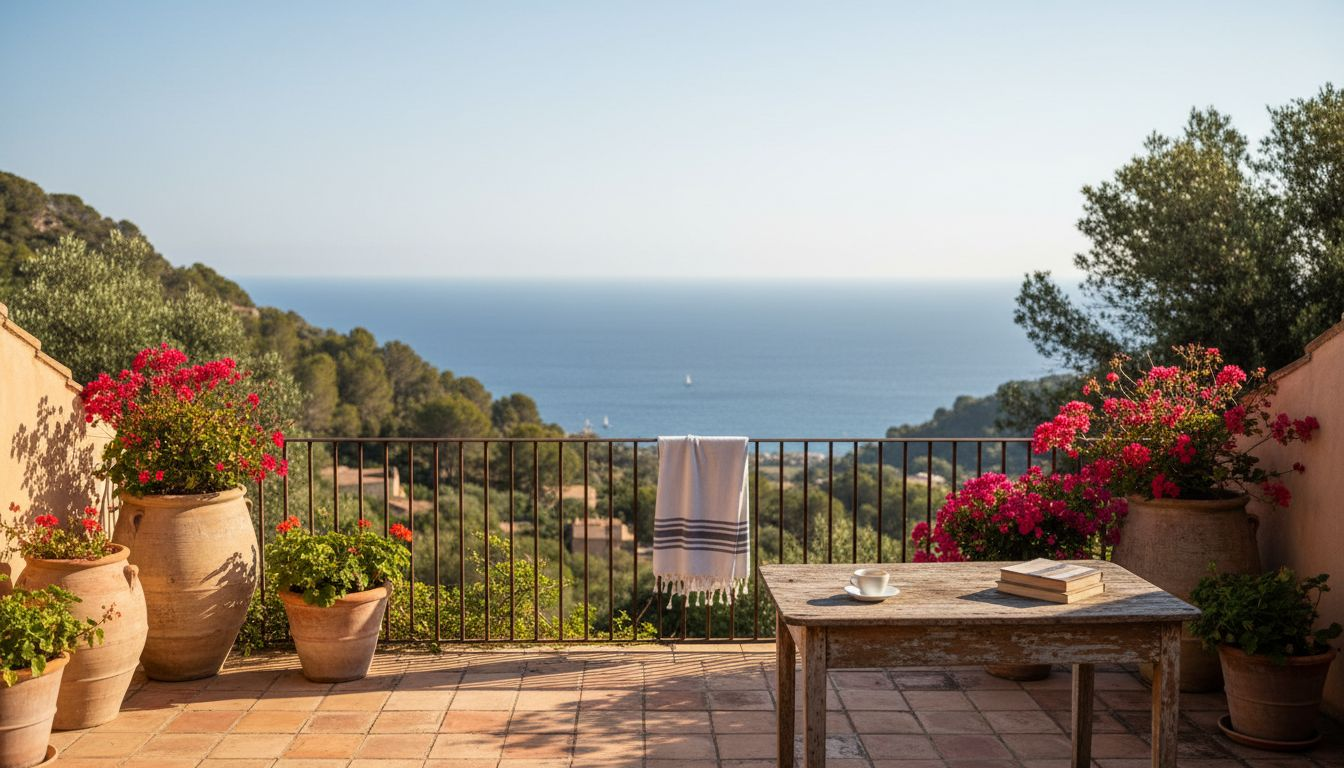
For many American retirees, the search for a luxury villa in Mallorca is driven by both lifestyle aspirations and investment ambitions. Properties classified as second homes often outnumber permanent residences on the island, with the National Statistics Institute reporting more than 210,000 second or empty homes in Mallorca. This unique dynamic brings distinct opportunities and challenges for buyers interested in rental income and long-term value. Here, you will find essential insights on property types, legal requirements, and critical tax considerations for successful investment decisions.
Key Takeaways
| Point | Details |
|---|---|
| Understanding Second Homes | In Mallorca, second homes often outnumber primary residences, reflecting a diverse market with unique investment opportunities. Familiarize yourself with local regulations before purchasing. |
| Investment Potential | Mallorca’s real estate market shows consistent appreciation, with potential rental yields between 4% to 6%. Conduct thorough due diligence on specific property locations. |
| Cultural Integration | The island offers a welcoming environment for Americans, including access to international communities and exceptional amenities, making it an attractive second-home destination. Engage with local expats to better understand lifestyle dynamics. |
| Legal Expertise Needed | Navigating property laws in Mallorca requires careful attention to detail, especially regarding rental licensing and zoning regulations. Retain a local legal expert to mitigate risks and ensure compliance. |
Second Homes in Mallorca Defined and Misconceptions
In the realm of European real estate, second homes represent more than just supplementary properties — they symbolize lifestyle choices, investment strategies, and personal retreats. Mallorca has emerged as a premier destination for such investments, with second home demographics revealing complex patterns that challenge traditional housing assumptions.
Traditionally, a second home is defined as a non-primary residence used periodically by owners, their family, or available for rental. In Mallorca, this concept takes on nuanced meanings. The island hosts an extraordinary phenomenon where second homes frequently outnumber primary residences, creating unique socioeconomic dynamics. The National Statistics Institute reports over 210,000 properties classified as second or empty homes, indicating a robust market beyond typical residential patterns.
Common misconceptions about second homes in Mallorca include assumptions about constant availability, uniform pricing, and straightforward acquisition. Reality proves more complex. These properties represent diverse investment opportunities ranging from luxury coastal villas to rural fincas, each carrying distinct legal, tax, and maintenance considerations. Factors like rental licensing (ETV), property management, and local municipality regulations significantly impact ownership experiences.
Pro Tip: Before purchasing a second home in Mallorca, conduct comprehensive due diligence on local regulations, potential rental income, and property management requirements to maximize your investment potential.
Luxury Villa Types and Location Distinctions
Mallorca’s luxury real estate market offers an extraordinary spectrum of villa types, each characterized by unique architectural styles, locations, and lifestyle propositions. Luxury villa classifications span diverse geographical contexts, ranging from prestigious hillside estates to spectacular coastal properties that cater to discerning international buyers.
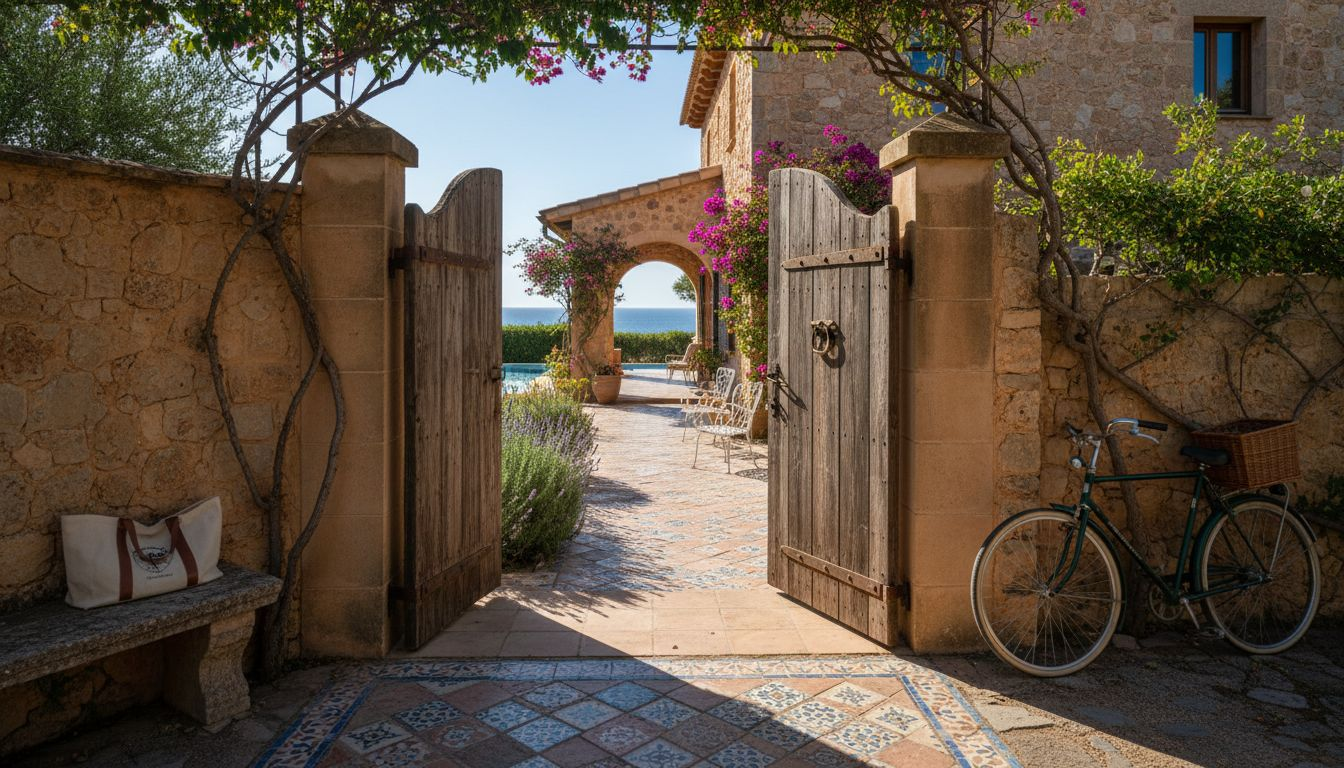
The island’s most exclusive villa locations can be categorized into distinct zones, each offering remarkable attributes. Son Vida represents the pinnacle of private luxury, featuring gated estates with panoramic golf course views and exceptional privacy. Coastal regions like Bendinat and Cas Català provide seamless Mediterranean living with immediate sea access, while cliffside properties near Andratx showcase contemporary architectural designs with breathtaking maritime perspectives. Historic villages such as Deià and Valldemossa present an alternative narrative — stone fincas nestled among terraced landscapes, appealing to buyers seeking cultural authenticity and tranquil environments.
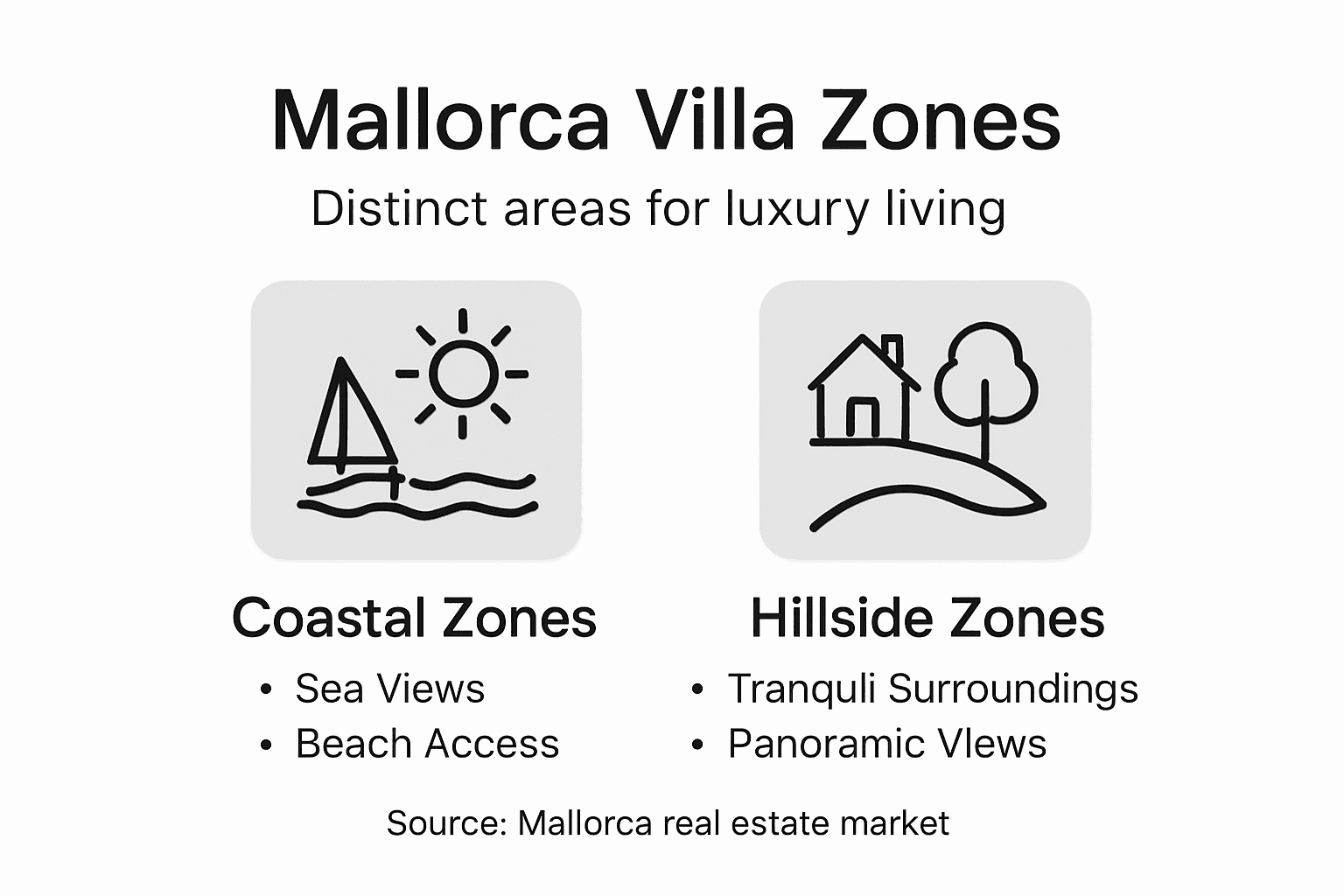
Understanding villa typologies requires deep appreciation of nuanced differences. Modern minimalist villas typically feature clean lines, expansive glass facades, and integrated indoor-outdoor living spaces. Traditional Mediterranean properties emphasize stone construction, terracotta roofs, and intricate architectural details that reflect generations of local craftsmanship. Investors must consider not just aesthetic preferences but also practical considerations like maintenance requirements, rental potential, and alignment with personal lifestyle objectives.
Here’s a comparison of prominent luxury villa zones in Mallorca and what differentiates them:
| Zone | Key Features | Typical Architecture | Appeal to Buyers |
|---|---|---|---|
| Son Vida | Gated, private, golf views | Modern and Mediterranean mix | Privacy and exclusivity |
| Bendinat/Cas Català | Direct sea access | Stylish coastal villas | Sea-centric lifestyle |
| Andratx (cliffs) | Cliffside, panoramic water views | Contemporary glass-heavy designs | Dramatic scenery, prestige |
| Deià/Valldemossa | Historic, rural landscapes | Traditional stone fincas | Culture, tranquility, authenticity |
Pro Tip: Conduct comprehensive on-site evaluations of potential villa locations, examining not just the property itself but surrounding infrastructure, neighborhood dynamics, and long-term appreciation potential.
Lifestyle, Climate, and Cultural Appeal for Americans
Mallorca represents an unparalleled destination for American expatriates seeking a transformative Mediterranean lifestyle, offering a harmonious blend of natural beauty, cultural richness, and exceptional living conditions. Expat experiences highlight diverse lifestyle opportunities that extend far beyond traditional retirement destinations, presenting a multifaceted environment adaptable to various personal preferences and professional aspirations.
The island’s climate serves as a primary attraction for Americans, featuring over 300 sunny days annually with warm summers and remarkably mild winters. Outdoor enthusiasts will discover an extraordinary landscape of possibilities, from cycling through UNESCO-listed Serra de Tramuntana mountain ranges to sailing along pristine coastlines. Palma, the capital city, provides a vibrant urban experience with world-class restaurants, sophisticated cultural venues, and a cosmopolitan atmosphere that seamlessly blends historic charm with modern amenities. Coastal villages offer tranquil alternatives, presenting Americans with lifestyle flexibility rarely found in traditional expat destinations.
Cultural integration represents another compelling dimension of Mallorca’s appeal. The island boasts robust international communities, exceptional healthcare systems, and a welcoming approach to foreign residents. Americans will appreciate the sophisticated yet relaxed social environment, where traditional Spanish hospitality meets contemporary global sensibilities. Language resources, international schools, and comprehensive support networks ensure smooth transitions, making Mallorca an increasingly attractive alternative to more conventional retirement or second-home locations.
Pro Tip: Engage with local expat communities and attend multiple extended visits before making a permanent relocation decision, allowing for comprehensive understanding of the island’s nuanced lifestyle dynamics.
Investment Value and Rental Income Opportunities
Mallorca’s real estate market presents a compelling investment landscape for sophisticated international investors, characterized by remarkable stability and consistent appreciation potential. Luxury property investments demonstrate robust economic fundamentals driven by the island’s thriving tourism economy and consistently high demand from global buyers seeking Mediterranean lifestyle opportunities.
The rental income potential in Mallorca represents a significant attraction for property investors. Luxury villas and premium properties can generate substantial annual returns, particularly in prime locations that attract high-end tourists and seasonal visitors. The island’s year-round appeal, supported by excellent infrastructure, international accessibility, and diverse recreational offerings, ensures consistent rental demand. Investors can expect average rental yields ranging between 4% to 6% annually, with premium properties in sought-after regions like Son Vida, Port Andratx, and Deià potentially generating even higher returns.
Strategic investment considerations extend beyond immediate rental income. Mallorca’s property market demonstrates remarkable resilience, with steady property value appreciation averaging 3% to 5% annually in prime locations. The market benefits from multiple demand drivers, including growing international interest, limited developable land, strict zoning regulations, and a robust tourism ecosystem. Foreign investors, particularly Americans, find the market particularly attractive due to transparent legal frameworks, relatively straightforward purchase processes, and the potential for both capital appreciation and consistent rental income.
Pro Tip: Conduct comprehensive due diligence on specific property locations, focusing on rental licensing requirements, potential ETV (Estancia Turística Vacacional) permissions, and local municipality regulations to maximize investment potential.
Spanish Property Laws and Tax Implications for U.S. Buyers
Foreign property ownership in Spain presents a nuanced landscape for American investors, with comprehensive legal pathways for U.S. buyers that ensure transparent and accessible real estate transactions. Unlike many international markets, Spain offers Americans identical property purchasing rights as Spanish nationals, creating an inviting investment environment with minimal bureaucratic barriers.
The property acquisition process requires several critical administrative steps. U.S. buyers must obtain a Número de Identidad de Extranjero (NIE), a mandatory tax identification number essential for all financial transactions. This identifier serves as a foundational document for opening Spanish bank accounts, executing property purchases, and managing tax obligations. Additionally, American investors must navigate a complex tax framework involving multiple jurisdictional considerations, including Spanish property taxes, potential rental income taxation, and compliance with bilateral tax treaties designed to prevent double taxation.
Tax implications represent a sophisticated dimension of Spanish property ownership for Americans. Property purchases incur transfer taxes ranging from 6% to 11%, depending on the property’s value and regional variations. Annual property taxes, known as Impuesto sobre Bienes Inmuebles (IBI), typically range between 0.4% and 1.1% of the property’s cadastral value. For non-resident property owners, a deemed income tax applies, calculated at approximately 1.1% to 2% of the property’s cadastral value, regardless of actual rental income. Understanding these nuanced tax obligations requires meticulous planning and potentially professional tax consultation to optimize financial outcomes.
Below is a summary of critical Spanish property taxes and requirements for American buyers:
| Requirement | Applies To | Typical Rate/Details | Planning Impact |
|---|---|---|---|
| Property Transfer Tax | Purchases | 6% to 11% of value | Significant upfront cost |
| Annual IBI Tax | All owners | 0.4% to 1.1% cadastral value | Recurring yearly expense |
| Non-resident Imputed Income Tax | Non-resident owners | 1.1% to 2% cadastral value | Applies even if not rented |
| NIE (Tax ID Number) | All buyers | Mandatory for transactions | Needed before purchase |
Pro Tip: Engage a specialized cross-border tax professional familiar with both U.S. and Spanish tax regulations to develop a comprehensive tax strategy that maximizes investment efficiency and ensures full legal compliance.
Legal Requirements and Common Pitfalls in Mallorca
Navigating property acquisitions in Mallorca demands meticulous attention to complex legal landscapes and potential regulatory challenges. Rustic property investments present unique legal considerations that require comprehensive due diligence and expert guidance to mitigate potential risks and unexpected complications.
Common legal pitfalls for international buyers encompass multiple critical areas. Property title verification represents a fundamental concern, with potential issues including undisclosed encumbrances, unclear ownership histories, and unresolved property boundaries. Flood zone classifications now carry significant legal implications, directly impacting property usability, insurance requirements, and potential rental licensing. Buyers must carefully examine official flood maps, as these designations can substantially restrict property development, renovation options, and tourism-related income potential.
Rental licensing emerges as another critical legal consideration for property investors. Mallorca’s regulatory environment mandates strict compliance with tourist accommodation regulations, including obtaining proper permits, meeting specific infrastructure standards, and adhering to municipal zoning restrictions. Investors must thoroughly investigate existing licenses, confirm potential rental eligibility, and understand the complex framework of local and regional regulations governing short-term rental properties. Failure to comply can result in substantial financial penalties, potential property use restrictions, and legal complications that could significantly impact investment returns.
Pro Tip: Retain a local legal specialist with expertise in Mallorcan real estate to conduct comprehensive due diligence, ensuring complete understanding of property-specific legal requirements and potential regulatory challenges.
Discover the Ideal Second Home in Mallorca with Expert Guidance
Navigating the intricate landscape of second homes in Mallorca can feel overwhelming. With complex property laws, diverse luxury villa types, and varying rental licensing requirements, international buyers often struggle to find the perfect balance between lifestyle desires and investment goals. Whether you seek privacy in Son Vida, coastal living in Bendinat, or a traditional finca in Deià, understanding legal nuances and maximizing rental income potential are crucial challenges.
At ULI & LISA, we specialize in helping American and international buyers overcome these hurdles. Using advanced AI-powered tools, we deliver comprehensive and unbiased property searches tailored to your unique aspirations. Our experienced agents provide trustworthy guidance through every step—from obtaining your NIE to evaluating local taxes and rental regulations. Experience a smooth, confident purchase by partnering with experts who know Mallorca inside and out.
Ready to turn your dream of owning a second home into reality Without delay explore our tailored luxury listings at ULI & LISA and learn how we simplify buying property in Mallorca. Take the first step toward securing your investment and embracing the Mediterranean lifestyle today by visiting Find Your Mallorca Property and contacting our team for personalized advice and support.
Frequently Asked Questions
What are the benefits of buying a second home in Mallorca?
Buying a second home in Mallorca offers numerous benefits, including a luxurious lifestyle, stunning natural beauty, and a robust real estate market with strong investment potential. The island is well-known for its favorable climate, vibrant culture, and a wide range of recreational opportunities.
How do I determine the best type of luxury villa for my needs in Mallorca?
To determine the best type of luxury villa in Mallorca, consider your personal preferences for architecture, location, and lifestyle. Factors to evaluate include whether you prefer coastal properties, hillside estates, or historic fincas. It’s also essential to assess practical aspects like maintenance requirements and potential rental income opportunities.
What should I know about rental income opportunities for second homes in Mallorca?
In Mallorca, luxury properties have strong rental income potential, particularly in prime locations that attract tourists. Average rental yields typically range from 4% to 6% annually, with high-demand areas possibly generating even higher returns due to the island’s year-round appeal and thriving tourism economy.
What legal requirements should I be aware of when purchasing a second home in Mallorca?
When purchasing a second home in Mallorca, you must be aware of several legal requirements, including obtaining a Número de Identidad de Extranjero (NIE) for tax identification, understanding the property transfer taxes, and ensuring compliance with local rental licensing regulations. It’s advisable to engage a local legal specialist to navigate these complexities.
Recommended
- Mallorca Property Explained: Investment, Lifestyle, Value - ULI & LISA Mallorca Property Blog
- 8 Types of Mallorca Properties for Luxurious Living - ULI & LISA Mallorca Property Blog
- Understanding Why Invest in Mallorca Property - ULI & LISA Mallorca Property Blog
- Understanding Mallorca Luxury Real Estate Explained - ULI & LISA Mallorca Property Blog