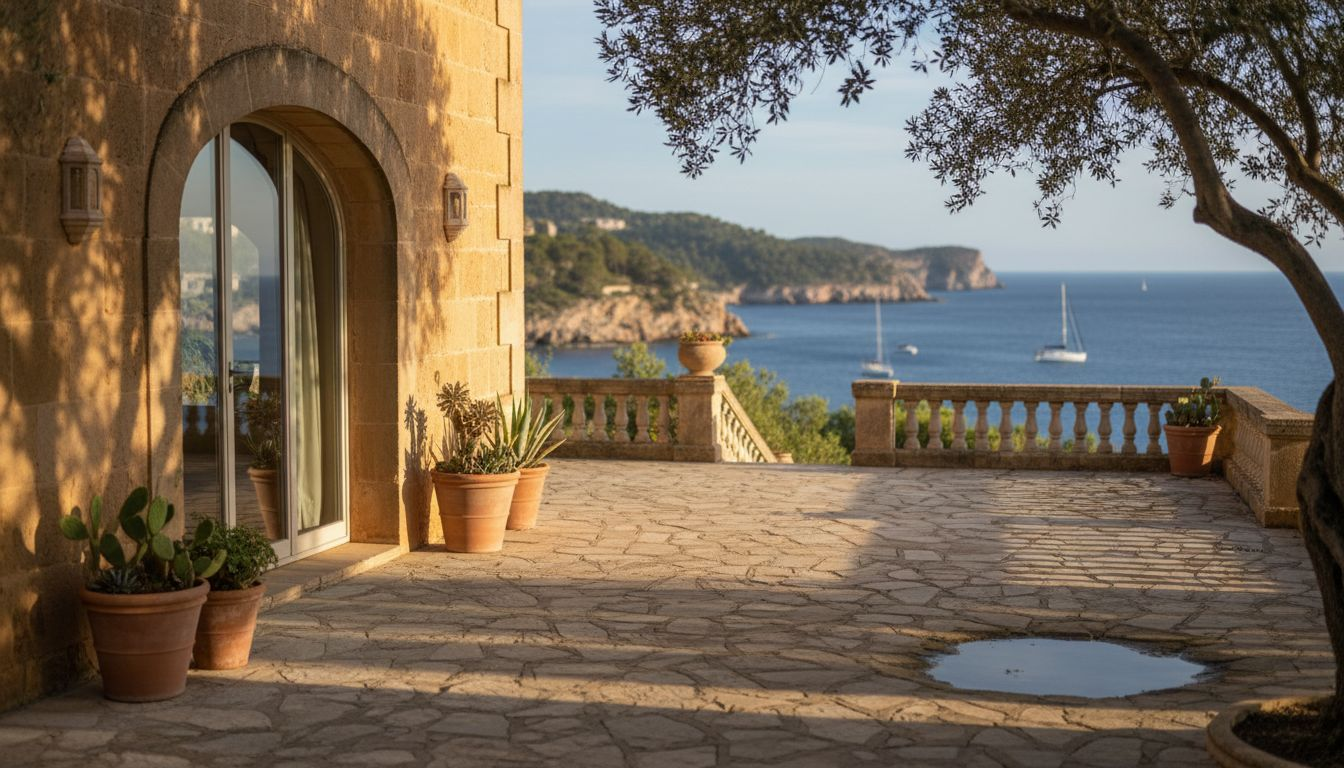
Owning a luxury home in Mallorca means more than just panoramic sea views and state-of-the-art amenities—it is about embracing a Mediterranean lifestyle defined by authenticity, quality, and careful attention to surroundings. For American professionals seeking a sound investment and a refined escape, Mallorca’s blend of natural beauty, cultural heritage, and architectural diversity presents rare opportunities. This guide reveals how genuine luxury is measured on Spain’s largest Balearic Island and demystifies what truly creates enduring value amid evolving real estate trends and international legal complexities.
Key Takeaways
| Point | Details |
|---|---|
| Luxury in Mallorca is nuanced | True luxury reflects quality, location, and integration with the environment rather than merely modern construction. |
| Location drives value | Properties with direct sea access or in sought-after neighborhoods are more desirable than those based solely on square footage. |
| Buyers prioritize wellness and functionality | Features like outdoor living spaces and smart home technology enhance quality of life and investment potential. |
| Understand tax implications | Changes in U.S. tax laws in 2026 may impact homeownership costs; consulting advisors is crucial for American buyers. |
Mallorca Luxury Homes Defined and Debunked
When American buyers hear “luxury home in Mallorca,” their minds often conjure images of ultra-modern villas with infinity pools overlooking turquoise waters, complete with every contemporary amenity imaginable. The reality is both richer and more nuanced. True luxury in Mallorca doesn’t necessarily mean brand new construction or minimalist glass-and-steel architecture. Instead, it reflects a careful balance between quality, location, architectural integrity, and how seamlessly a property integrates with its surroundings. The definition of luxury here is inseparable from Mallorca’s identity as Spain’s largest island in the Balearic Islands, where cultural heritage, natural beauty, and Mediterranean lifestyle form the foundation of what makes a home truly valuable.
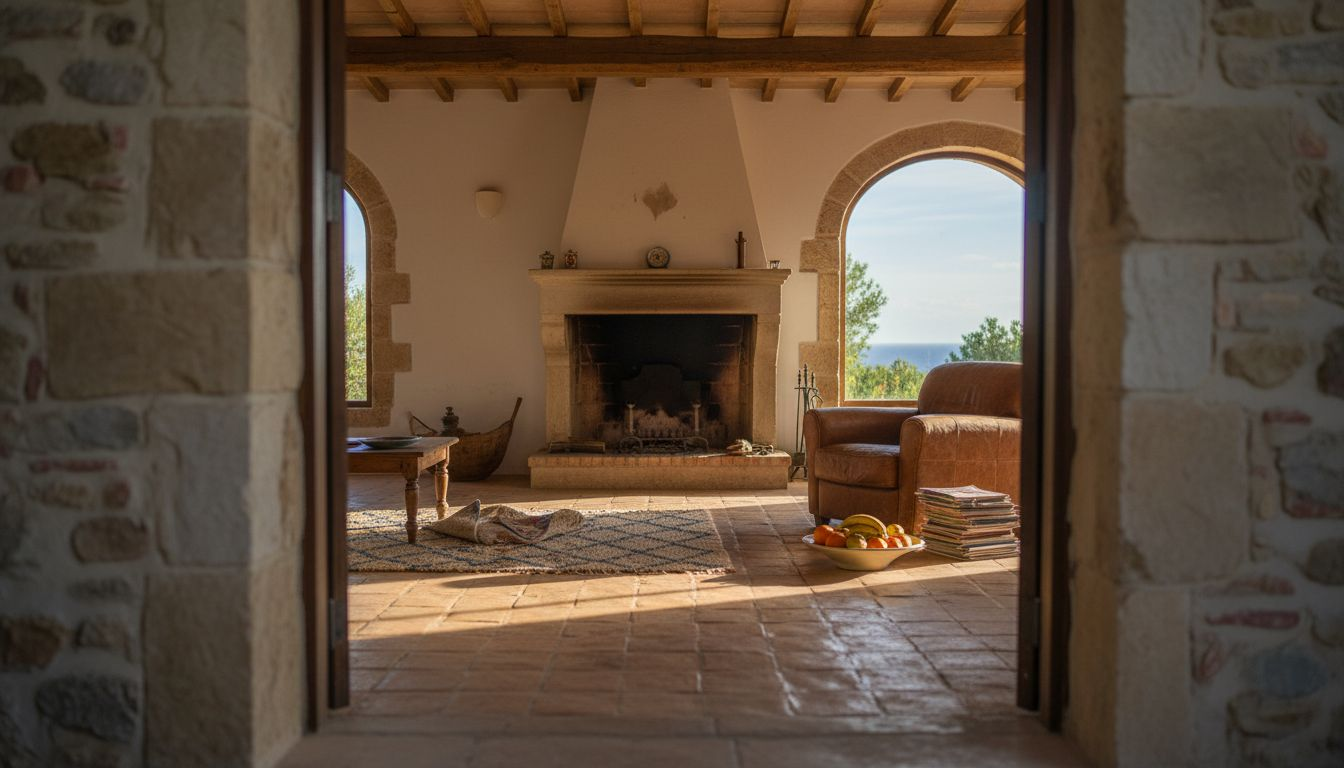
One persistent misconception is that all luxury homes on Mallorca follow a uniform design aesthetic. This couldn’t be further from the truth. Many of the island’s most coveted properties blend traditional Mallorcan architectural elements with contemporary comfort and functionality. You’ll find stone farmhouses (called “possessions”) that date back centuries, now meticulously restored with modern systems hidden behind original facades. Others showcase contemporary designs that complement rather than dominate the landscape. The island’s distinct geology influences architectural styles, with local materials like sandstone and limestone playing starring roles in authentic luxury properties. Smart architects and builders use these materials not as nostalgic references but as practical choices that weather beautifully and connect homes to their environment. This approach to design isn’t about following trends; it’s about creating homes that feel like they belong exactly where they’re built.
Another myth worth dispelling: luxury in Mallorca isn’t defined solely by square footage or the number of amenities. A 3,000-square-foot property with direct sea access and commanding views can be more valuable and desirable than a sprawling 8,000-square-foot estate tucked inland. Location remains the primary value driver, followed by understanding the broader luxury real estate market, view quality, privacy, and the property’s relationship to the landscape. American buyers accustomed to suburban sprawl often find this refreshing—you’re paying for presence and position, not excess. A genuinely luxury home in Mallorca maximizes natural light, frames Mediterranean views thoughtfully, and creates seamless indoor-outdoor living spaces that invite the island’s 300-plus days of annual sunshine into everyday living.
The most important distinction separates aspirational luxury from authentic luxury. True luxury properties here prioritize harmony with nature, architectural authenticity, and long-term appreciation over flashy features designed to photograph well. This approach attracts discerning buyers who recognize that a well-positioned stone estate with original beams and contemporary systems will appreciate more steadily than a developer’s palatial mansion built without regard for context or community.
Pro tip: When evaluating luxury properties in Mallorca, prioritize location and how the home relates to its natural surroundings over modern amenities—these factors determine both your quality of life and long-term investment returns.
Sought-After Home Styles and Locations
Mallorca’s real estate market offers distinct home styles, each reflecting different lifestyles and investment philosophies. The three dominant categories are traditional Mallorcan fincas, contemporary minimalist villas, and renovated historic townhouses. Traditional fincas are stone farmhouses dating back centuries, typically featuring thick walls, terra cotta tiles, wooden beams, and courtyards designed to handle the Mediterranean heat. These properties exude authenticity and command strong appreciation because they embody Mallorca’s cultural heritage. Modern villas represent the other end of the spectrum, featuring clean lines, floor-to-ceiling windows, and cutting-edge systems. Between these sit carefully renovated properties that honor architectural tradition while incorporating contemporary comfort. What matters most is that successful luxury homes on Mallorca blend Mediterranean lifestyle principles with thoughtful design, whether that means preserving original stone walls or installing smart home technology behind them.
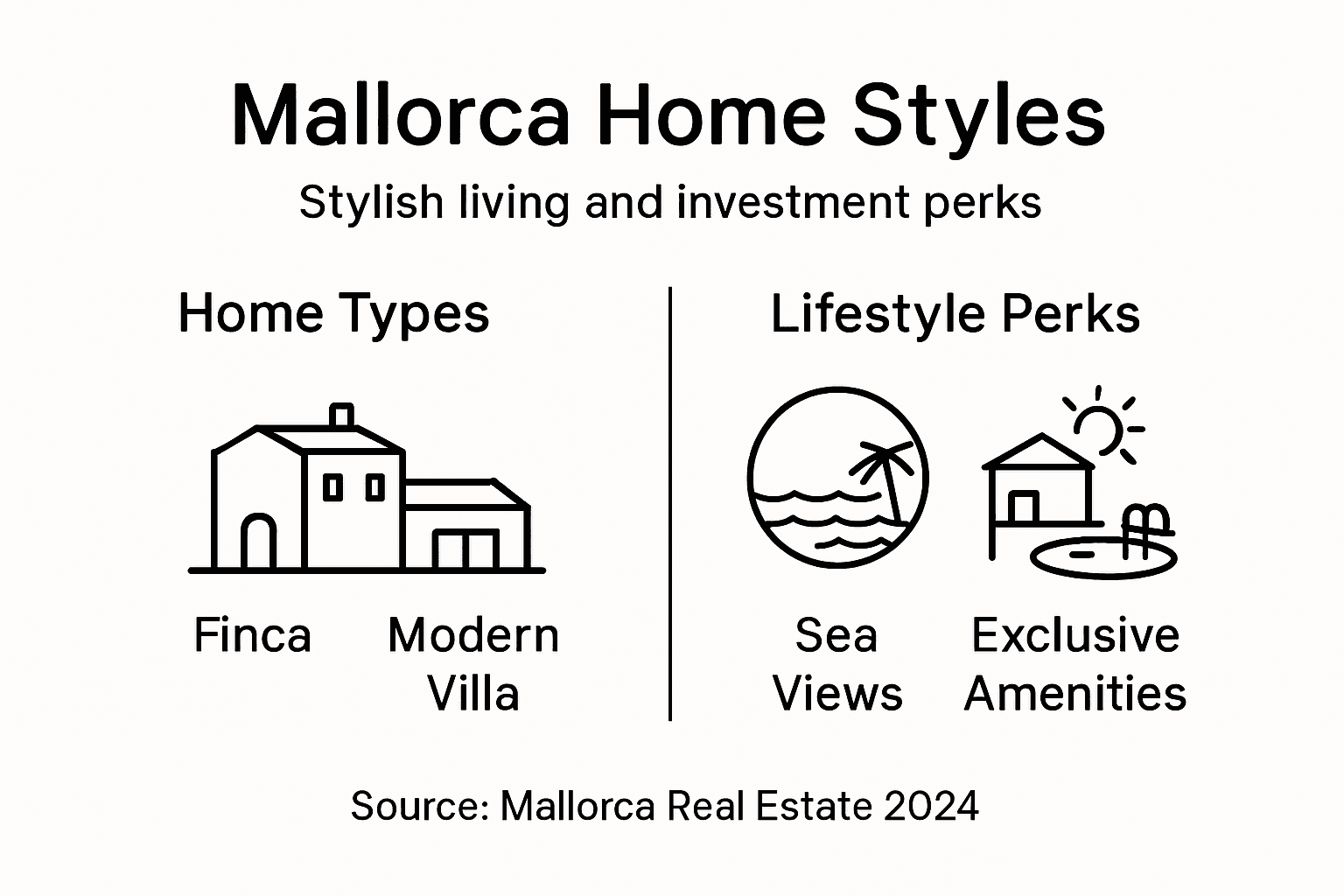
Location choices in Mallorca break down into three primary regions, each with distinct characteristics. The Serra de Tramuntana mountain range in the northwest offers dramatic scenery, quieter living, and exceptional privacy, appealing to buyers seeking retreat and natural beauty. The coastal towns such as Port d’Andratx and Puerto Pollensa attract families and investors who prioritize sea access, water sports, and vibrant communities with restaurants and amenities. Palma, the capital, provides urban sophistication with cultural institutions, shopping, and a thriving dining scene, particularly in the historic center where stately townhouses command premium prices. The Serra de Tramuntana properties tend to appreciate steadily due to limited supply and protected status, while coastal properties offer lifestyle flexibility and rental potential. Palma properties benefit from consistent demand and cultural prestige. When evaluating permitted building heights and architectural styles across different zones, understand that regulations vary significantly by municipality, affecting what you can build, expand, or renovate.
Americans often underestimate how much neighborhood character influences both enjoyment and resale value. The western coastal region favors spacious, family-oriented residences with gardens and pool space, ideal for those planning extended stays or rental income. Palma’s historic neighborhoods attract buyers seeking walkable sophistication and proximity to cultural events. The mountain regions appeal to privacy-focused investors and those seeking true escape from urban environments. Interior design across these properties increasingly reflects a blend of Mediterranean warmth and Scandinavian minimalism, emphasizing natural textures, outdoor connections, and longevity over trendy aesthetics. This philosophy resonates with American buyers tired of fast-design cycles and seeking homes that improve with age rather than look dated in five years.
Here’s how Mallorca’s main home styles and locations compare for luxury buyers:
| Home Style/Location | Key Appeal | Typical Buyer | Appreciation Trend |
|---|---|---|---|
| Traditional Finca | Cultural heritage, rustic charm | Heritage-focused investors | Strong, steady growth |
| Modern Villa | Cutting-edge design, sea views | Contemporary lifestyle seekers | High but more volatile |
| Historic Palma Townhouse | Urban culture, walkability | Sophisticated professionals | Consistent, high demand |
| Serra de Tramuntana Region | Privacy, dramatic scenery | Nature-oriented, retirees | Limited supply, stable |
| Coastal Towns | Water sports, vibrant life | Families, rental investors | Robust rental potential |
Pro tip: Visit potential neighborhoods during different times of day and seasons before committing, and speak with current residents about seasonal changes, tourist traffic patterns, and community dynamics that won’t show up in online listings.
Key Features Driving Buyer Demand
What separates a property that sits on the market from one that sells within weeks comes down to specific, measurable features that address how modern luxury buyers actually live. The shift in what constitutes desirable real estate has fundamentally changed over the past five years. American high-net-worth buyers are no longer drawn exclusively to square footage and ostentatious design. Instead, they prioritize wellness-oriented spaces, seamless transitions between interior and exterior living, and flexibility to adapt as their lives evolve. A dedicated meditation room or yoga studio might sound niche, but it reflects a broader demand for properties that support mental and physical health. Similarly, substantial outdoor living areas with thoughtful landscaping, comfortable seating zones, and protection from elements create year-round usability that maximizes Mallorca’s 300-plus sunny days. These spaces transform properties from vacation homes into functional primary residences where you actually spend time outside rather than just viewing the scenery from windows.
Smart home technology and energy efficiency now rank among the most sought-after features, though many American buyers underestimate their importance in the Mediterranean context. Climate control systems that manage cooling efficiently reduce monthly utility costs significantly, a major advantage in summer months when air conditioning runs constantly. Water purification and advanced filtration systems address legitimate concerns about water quality and sustainability. Wellness-oriented design and smart technologies are increasingly standard expectations rather than luxury add-ons. Solar panels, heat recovery systems, and LED lighting throughout reduce ongoing expenses while appealing to environmentally conscious buyers. These features also strengthen rental income potential if you decide to monetize the property during months you’re not using it.
The third critical category involves flexibility and flow. Open floor plans with movable partitions, multipurpose rooms that function as office space or guest quarters, and outdoor kitchens capable of hosting gatherings represent practical responses to how people actually use homes today. Many American professionals work remotely at least part-time, requiring dedicated office space with reliable internet. Parents with adult children benefit from flexible guest accommodations that don’t feel like committed spaces if unused. Privacy zones separated from entertaining areas matter more than ever. Properties that physically accommodate these diverse needs command premium pricing because they solve real problems rather than simply looking impressive in marketing photos.
Beyond individual features, the most demanded properties offer integration and cohesion. A home where the wellness room connects to outdoor meditation spaces, where the smart systems actually work reliably, where materials and finishes age gracefully rather than requiring constant maintenance—these integrated properties attract buyers willing to pay considerably more. Conversely, a property with a high-end wine cellar but inconsistent climate control or a luxury spa bathroom disconnected from the main living space feels disjointed and underperforms in resale.
Pro tip: When evaluating properties, request documentation of all smart home systems, energy efficiency ratings, and water/air purification specifications, then have your own inspector verify functionality and maintenance requirements before committing to purchase.
Legal, Tax, and Ownership Updates for 2026
American buyers purchasing luxury properties in Mallorca operate at the intersection of two tax systems, and 2026 brings significant changes to the American side of that equation. The federal tax landscape shifts substantially beginning next year, with updates that directly affect homeownership deductions, credits, and reporting requirements for U.S. taxpayers. Understanding these changes before you purchase is crucial because they influence the true cost of ownership and whether certain features become tax-advantaged investments. Changes to homeownership tax credits and deductions under recent legislation affect mortgage interest deductions, energy efficiency credits, and other incentives that American owners of second homes can claim. If you’re planning to install solar panels, heat recovery systems, or other energy-efficient upgrades, the availability and dollar amounts of federal tax credits may shift. This timing matters substantially when budgeting for renovations.
On the Spanish and Balearic Islands side, Mallorca’s ownership and building regulations remain stringent but fairly stable. Property ownership falls into three categories based on land classification: urban, developable, and rural, each with specific legal restrictions. When you own land, you must comply with Balearic Islands Urban Planning Law and local municipal regulations governing height restrictions, architectural style, and development permissions. For 2026, environmental protections continue strengthening, which affects renovation scopes and future building expansions. This means you cannot simply modify a property as you wish. Any structural changes, facade alterations, or additions require municipal approval and must align with local architectural guidelines. The good news is that these restrictions actually protect your investment by preventing eyesore development nearby and maintaining the character that makes Mallorca properties valuable.
For American owners, tax residency status becomes critical. Spain taxes global income for residents, defined as individuals spending more than 183 days in Spain annually or having their center of economic interests there. If you plan to spend extended time in Mallorca, you may trigger residency requirements that create Spanish tax obligations. However, tax treaties between the United States and Spain prevent double taxation on the same income. American citizens must file U.S. tax returns regardless of residency status, reporting worldwide income including rental income from Mallorca properties. Understanding these overlapping requirements before purchase prevents surprises later.
Another consideration involves property structure and ownership. Some American buyers establish Spanish legal entities (sociedades limitadas) to hold property, which offers liability protection and potential tax advantages. Others hold property individually. Each structure carries different legal, tax, and operational implications. Additionally, succession planning matters for properties held outside the United States. Spanish inheritance law differs substantially from American probate, so properties pass according to Spanish law unless you establish proper legal structures and documentation. These decisions require coordination between American and Spanish legal and tax advisors before you even make an offer.
Pro tip: Engage both a Spanish tax advisor and your American CPA before purchasing to model ownership structures, estimate 2026 tax implications, and identify which property features generate the most valuable deductions or credits under current law.
Investment Returns, Risks, and Market Outlook
Mallorca’s luxury real estate market has demonstrated consistent appreciation over the past decade, with properties in desirable locations returning 4 to 7 percent annually when accounting for both capital appreciation and rental income. For American investors, this performance compares favorably to many domestic markets, particularly when you factor in currency diversification and the lifestyle component that makes holding the property personally rewarding. The island attracts approximately 10 million tourists annually, creating robust demand for high-end vacation rentals during peak seasons. Properties strategically positioned for rental income can generate 6 to 10 percent annual returns through short-term bookings during summer months and shoulder seasons, while maintaining the home for personal use during winter. This dual-use model distinguishes Mallorca from many real estate markets where investment properties don’t deliver the lifestyle benefits American buyers increasingly demand.
However, investment returns depend heavily on location specificity and property condition. A beautifully restored finca in the Serra de Tramuntana with limited rental potential might appreciate steadily but generate minimal rental income. Conversely, a contemporary coastal villa near Port d’Andratx in excellent condition can command 3,000 to 5,000 euros per week during high season, translating to 150,000 to 260,000 euros annually from just 12 to 16 weeks of bookings. The risk landscape differs from American real estate in important ways. Currency fluctuation affects returns for American investors, as property values and rental income are denominated in euros while your home expenses in the United States remain in dollars. A weakening euro reduces your purchasing power when converting profits back to dollars. Regulatory changes represent another risk category. Environmental protections, heritage preservation rules, and tax policy shifts can restrict future development or increase holding costs. Additionally, tourism dependency means that global travel disruptions or changing travel patterns directly impact rental income viability.
Here is a summary of factors shaping investment returns for American buyers in Mallorca:
| Factor | Impact on Returns | Risk Consideration |
|---|---|---|
| Location | Drives appreciation most | Sea views outperform inland estates |
| Home Condition | Rental potential varies | Modern, maintained homes favored |
| Regulatory Changes | Can limit development | Favor steady, well-zoned properties |
| Currency Fluctuation | Impacts USD returns | Monitor euro/dollar trends |
The broader market outlook for Mallorca luxury properties remains positive through 2026 and beyond, driven by several structural factors. European wealth concentration and demand for Mediterranean properties continue growing as affluent buyers seek diversification and lifestyle improvements. Limited buildable land due to environmental protections constrains new supply, supporting prices for existing quality properties. The island’s infrastructure improvements, including airport expansions and digital connectivity enhancements, strengthen its appeal to remote workers and digital nomads with significant capital. However, entry-level luxury properties face more competition than high-end estates. Properties in the 1.5 to 2 million euro range attract more speculative buyers and therefore experience higher price volatility. Premium properties exceeding 3 million euros appreciate more steadily because they appeal to a smaller, more stable buyer pool less influenced by market cycles.
Understanding Your Investment Timeline
The critical decision involves your investment horizon. Short-term investors (three to five years) face higher risk from market corrections and currency fluctuations but can capture appreciation cycles. Longer-term holders (ten-plus years) benefit from compounding appreciation and weather short-term volatility more easily. Most successful American investors approach Mallorca properties with a ten-to-fifteen year perspective, treating them as core wealth holdings rather than trading vehicles. This horizon aligns better with the property appreciation cycles Mallorca has demonstrated historically.
Pro tip: Request detailed rental history and occupancy rates from sellers before purchasing, then have your own property manager estimate realistic returns based on current market rates and competitive positioning, not the seller’s optimistic projections.
Unlock Your Mallorca Luxury Home Investment with Expert Guidance
Navigating the intricate Mallorca luxury real estate market demands more than just passion for stunning sea views and authentic fincas. The challenges highlighted in the article, such as balancing location value, regulatory complexities, and evolving buyer preferences for wellness spaces and smart technologies, can feel overwhelming. Whether you seek a serene retreat in Serra de Tramuntana or a vibrant coastal villa, understanding permitted building heights, tax implications, and investment returns is crucial to making a sound decision.
At ULI & LISA, we specialize in exactly these challenges. Our independent agents combine advanced AI-powered property searches with deep market insight to identify the homes that perfectly align with your lifestyle priorities and investment goals. We help American buyers uncover genuine luxury properties that blend authenticity with modern comfort while navigating legal and tax landscapes confidently. Start your journey confidently by exploring our trusted solutions at ULI & LISA and discover how our personalized approach transforms complexity into clarity.
Ready to secure your ideal Mallorca luxury home before market conditions shift? Visit ULI & LISA now to schedule your exclusive consultation and gain tailored insights that make your investment both rewarding and stress-free.
Frequently Asked Questions
What defines a luxury home in Mallorca?
True luxury homes in Mallorca go beyond modern amenities and new construction; they emphasize quality, location, architectural integrity, and integration with the natural surroundings, reflecting the island’s cultural heritage and distinctive environment.
How do traditional and modern styles compare in Mallorca’s luxury real estate market?
Traditional Mallorcan fincas focus on rustic charm and cultural heritage, while modern villas emphasize sleek design and cutting-edge amenities. Successful luxury properties often blend these two styles, creating homes that honor both tradition and contemporary living.
What are the key features that buyers look for in luxury homes?
Buyers prioritize wellness-oriented spaces, substantial outdoor living areas, smart home technology, energy efficiency, and flexible layouts that adapt to changing needs, reflecting modern lifestyles.
How do legal and tax factors impact ownership of luxury homes in Mallorca?
American buyers must navigate both U.S. tax regulations and local ownership laws. Changes in U.S. tax policy can affect homeownership deductions, while Spanish regulations govern property rights, building permits, and potential residency implications for extended stays.
Recommended
- 8 Types of Mallorca Properties for Luxurious Living - ULI & LISA Mallorca Property Blog
- Understanding Why Invest in Mallorca Property - ULI & LISA Mallorca Property Blog
- Understanding Mallorca Luxury Real Estate Explained - ULI & LISA Mallorca Property Blog
- Understanding Mallorca Luxury Real Estate Explained - ULI & LISA Mallorca Property Blog