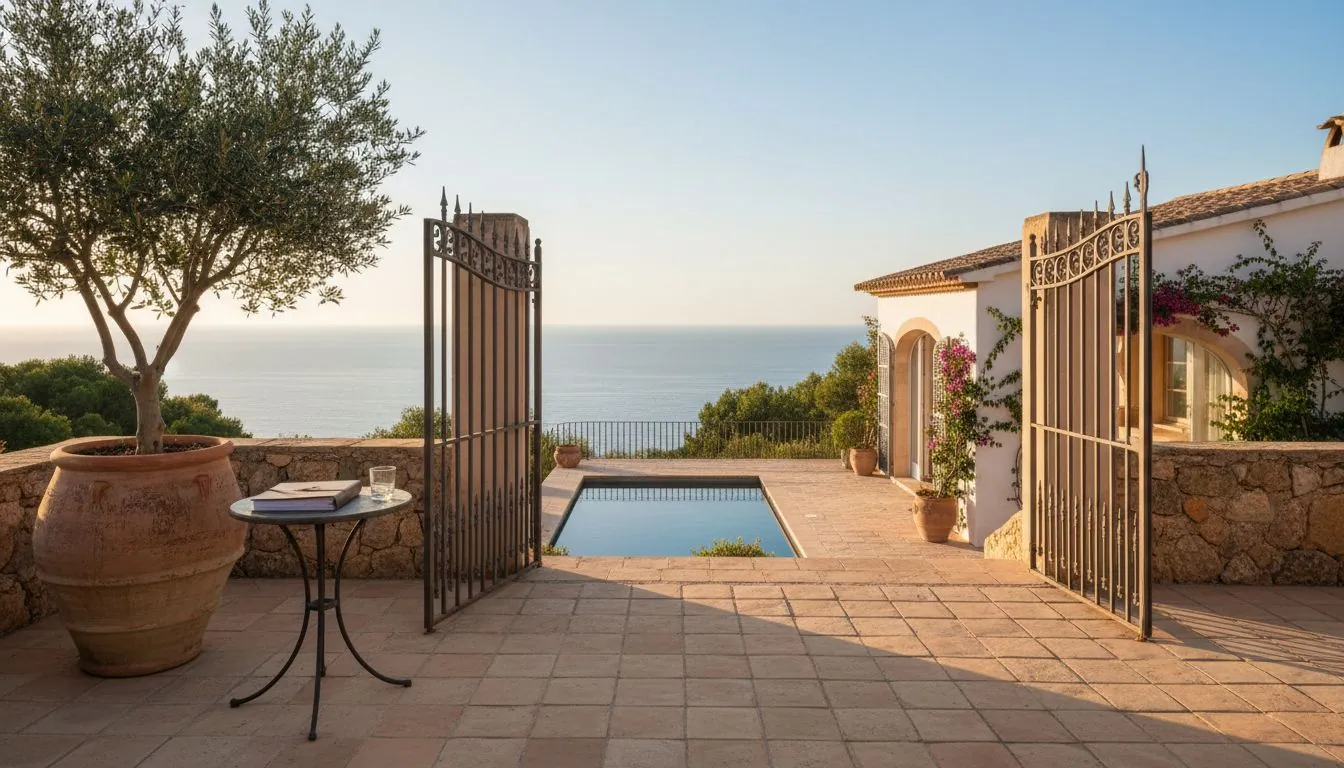
Is Mallorca property a good investment?
Mallorca property can be a good long-term investment for buyers who value personal use and steady international demand, especially in established areas such as the southwest and Palma. It is a weaker fit for buyers counting on holiday rental income, because new tourist rental licenses are almost frozen. Factor in 10-15% buying costs on resale homes and Spanish and home-country taxes; no return is certain.
Buying property in Mallorca reveals more than sunlit terraces or sea views for American investors. It means confronting complex legal requirements and tax obligations that shape every decision. With a stable market and luxury options in prime areas like Port Andratx and Son Vida, Mallorca stands out from other European destinations. This guide breaks down essentials for high-value investments, from compliance strategies to optimizing returns, so you can navigate Spanish property rules with confidence.
Key Takeaways
| Point | Details |
|---|---|
| Strategic Investment Opportunity | Mallorca offers American buyers unique properties with long-term value potential, particularly in established luxury areas; returns are never certain. |
| Diverse Property Types | The island has a variety of investment options, from historic fincas to seafront villas, catering to different risk appetites. |
| Legal Considerations | Understanding Spain’s property laws, tax implications, and necessary documentation is essential for successful investments. |
| Market Stability | Steady international demand and limited new supply support the market, but holiday rental licenses are scarce and prices can fall as well as rise. |
Mallorca Property Investment Defined and Debunked
Investing in Mallorca real estate represents a strategic opportunity for American buyers seeking premium Mediterranean properties with exceptional value potential. While many investors approach Balearic Island real estate with preconceived notions, understanding the nuanced market dynamics is crucial for making informed decisions. Investment strategies for Mallorca properties require careful analysis beyond traditional real estate assumptions.
Mallorca’s property market distinguishes itself through several unique characteristics that set it apart from other European investment destinations. Demand has historically been strongest in established luxury areas like Port Andratx, Son Vida, and Santa Ponsa, although past price growth does not predict future returns. American investors will find a diverse range of property types including historic fincas, contemporary villas, and seafront apartments, each presenting distinct investment profiles with varying potential returns.
The legal framework for property acquisition in Spain presents both opportunities and complexities for international buyers. Foreign investors enjoy relatively straightforward purchasing processes, with no specific restrictions on property ownership. However, understanding tax implications, rental regulations, and necessary documentation becomes critical. Proper due diligence involves comprehensive property inspections, verifying clear property titles, and checking whether the property already holds a valid holiday rental (ETV) license, since new licenses are almost frozen and apartments cannot obtain them.
Pro Tip: Before committing to a Mallorca property investment, engage a local real estate specialist who understands both international buyer needs and regional market intricacies to navigate potential legal and financial complexities effectively.
Diverse Investment Opportunities Across Mallorca
Mallorca presents a remarkable array of investment opportunities that extend far beyond traditional real estate acquisitions. Diverse investment strategies encompass multiple sectors including luxury residential properties, sustainable development projects, and tourism-related ventures. The island’s strategic location and robust economic infrastructure make it an attractive destination for sophisticated investors seeking multiple income streams and long-term appreciation.
The real estate landscape in Mallorca offers nuanced investment pathways tailored to different risk appetites and financial objectives. Investors can explore options ranging from historic fincas in rural settings to contemporary seafront villas in prestigious locations like Port Andratx and Son Vida. Be wary of any offer promising fixed minimum returns; property income in Mallorca depends on licensing, location and management, and is never assured.
Beyond residential properties, Mallorca’s investment ecosystem includes commercial real estate, hospitality ventures, and green technology projects. The island’s thriving tourism sector creates unique opportunities for short-term rental properties, boutique hotel developments, and sustainable infrastructure investments. Smart investors recognize that Mallorca’s diversified economy provides multiple entry points for strategic capital deployment, with potential for long-term value, though without any certainty of growth.
Here is a summary of key investment types in Mallorca and what distinguishes them:
| Investment Type | Typical Location | Key Benefits |
|---|---|---|
| Luxury villas | Port Andratx, Son Vida | Strong international demand |
| Historic fincas | Rural countryside | Unique character, heritage |
| Seafront apartments | Coastal hotspots | Long-term rental demand (no new tourist licenses for apartments) |
| Commercial properties | Palma, tourist towns | Diverse income sources |
Pro Tip: Conduct comprehensive due diligence by partnering with local experts who understand Mallorca’s complex investment landscape and can provide granular insights into emerging market opportunities and potential risk mitigation strategies.
Key Drivers: Market Stability and Lifestyle Appeal
Mallorca’s investment landscape is distinguished by remarkable market stability and an unparalleled lifestyle appeal that attracts sophisticated international investors. Key investment advantages emerge from the island’s unique combination of economic resilience, geographic positioning, and exceptional quality of life. Mallorca combines international demand, limited new building land and a high quality of life, although no property market offers predictable appreciation.
The island’s economic fundamentals create a robust foundation for property investments. Mallorca benefits from a diverse economic ecosystem anchored in tourism, technology, and high-end real estate development. Foreign buyers account for a large share of purchases on the island, especially in the upper price segments. Prime locations like Port Andratx, Son Vida, and Santa Ponsa remain in demand, but rental potential depends on whether a property already holds a tourist license, and values can fall as well as rise.
Beyond financial metrics, Mallorca’s lifestyle represents a significant draw for international investors. The island combines world-class infrastructure, exceptional Mediterranean climate, and a sophisticated cultural environment that appeals to high-net-worth individuals seeking more than just financial returns. American investors particularly appreciate the combination of robust legal protections, transparent property ownership regulations, and a welcoming international community that makes transitioning to Mediterranean living seamless and attractive.
Pro Tip: Conduct thorough market research by engaging local real estate professionals who can provide nuanced insights into micromarket trends and emerging investment opportunities across different Mallorcan regions.
Legal and Tax Framework for U.S. Investors
The legal and tax landscape for U.S. investors in Mallorca represents a sophisticated framework designed to facilitate smooth international property investments. Tax considerations for overseas buyers involve multiple layers of compliance that require strategic planning and expert guidance. American investors must navigate Spanish property laws, tax regulations, and reporting requirements while maintaining alignment with U.S. international tax obligations.
Key tax implications for U.S. property owners in Mallorca include property transfer taxes, annual municipal property taxes, and specific non-resident income tax regulations. Investors must account for VAT on new property constructions, potential wealth tax considerations, and complex reporting requirements such as FBAR and FATCA. US tax compliance for property owners becomes critical to ensure full legal and financial transparency across international jurisdictions.
Specialized legal counsel plays a crucial role in helping American investors optimize their Mallorcan property investments. Experienced tax professionals can provide strategic guidance on structuring investments to minimize tax liabilities, ensure compliance with both Spanish and U.S. regulations, and navigate the intricate cross-border financial landscape. The robust legal system in Spain offers clear protections for foreign investors, with specialized law firms providing comprehensive services tailored to international property owners.
Pro Tip: Consult with a cross-border tax specialist who understands both U.S. and Spanish tax regulations to develop a comprehensive investment strategy that maximizes tax efficiency and ensures full legal compliance.
Pros and Cons of Investing in Mallorca Property
Pros: no purchase restrictions for American, Canadian or other non-EU buyers; strong international demand in established areas; limited new building land; a structured purchase process with notary and land registry; and a lifestyle that also makes the home valuable for personal use.
Cons: high entry prices; buying costs of roughly 10-15% on resale homes; non-resident taxes; holiday rental licenses that are almost impossible to obtain new (none for apartments, none in Palma since February 2026); and no residency through purchase, because Spain's golden visa ended on 3 April 2025. For expats and part-time residents, the case is strongest when the home is bought mainly for personal use and long-term value.
Risks, Costs, and Compliance Essentials
Navigating property investments in Mallorca demands a comprehensive understanding of potential risks and compliance requirements. Regulatory compliance has become increasingly complex, requiring investors to develop sophisticated strategies for managing legal and financial obligations. American investors must remain vigilant about the multifaceted landscape of international real estate investments, which involves intricate regulatory monitoring and proactive risk management.
The financial implications of property investment extend beyond the initial purchase price. Key cost considerations include property transfer taxes, annual maintenance expenses, potential renovation costs, and ongoing compliance expenditures. Risk management for foreign buyers requires a strategic approach that accounts for potential regulatory changes, tax law modifications, and international reporting requirements. Investors should budget for professional legal and tax consultation to ensure full transparency and minimize potential financial exposure.
- Transfer tax (ITP) on resale homes: progressive from 8% to 13% in the Balearics, depending on the price band
- New builds from a developer: 10% VAT plus stamp duty (AJD) instead of ITP
- Total buying costs: roughly 10-15% of the price on resale homes
- Non-resident seller: the buyer withholds 3% of the price and pays it to the Spanish tax office
- Non-resident income tax: 24% for non-EU owners, 19% for EU/EEA owners
- Illegal holiday rentals: fines of up to €500,000 in the Balearics
Mallorca’s real estate market presents unique compliance challenges that demand specialized expertise. Investors must navigate complex licensing requirements, rental regulations, and tax reporting obligations specific to foreign property owners. Critical areas of focus include obtaining proper rental permits, understanding local zoning laws, maintaining accurate financial records, and ensuring compliance with both Spanish and U.S. reporting standards. The potential costs of non-compliance can significantly outweigh the initial investment in professional guidance and thorough due diligence.
The following table clarifies main costs and compliance essentials for U.S. investors in Mallorca:
| Cost or Requirement | Description | Impact on U.S. Investors |
|---|---|---|
| Property transfer tax | 8-13% of the price on resale homes (ITP) | Increases upfront investment |
| Annual property/municipal tax | Yearly local government fee | Ongoing financial obligation |
| Non-resident income tax | 24% non-EU / 19% EU on rental or deemed income | Requires annual reporting |
| U.S. compliance (FBAR/FATCA) | Disclosure of overseas assets | Mandates IRS documentation |
| Rental permit/license | Needed for short-term rentals | New licenses almost frozen; buy one that already exists |
Pro Tip: Develop a comprehensive compliance strategy by establishing a dedicated financial reserve for potential regulatory expenses and maintaining ongoing relationships with local legal and tax professionals who specialize in international property investments.
Unlock the Full Potential of Your Mallorca Investment Journey
Investing in Mallorca real estate presents exciting opportunities but also demands deep market understanding and expert guidance. The challenges you face include navigating complex legal and tax frameworks alongside identifying properties with true luxury and value potential in prime locations such as Port Andratx and Son Vida. With this article highlighting the importance of due diligence, stable market segments, and lifestyle appeal, your goals likely focus on securing a high-return investment while enjoying seamless international property ownership.
ULI & LISA are an independent buyer's agent working only for buyers, including many from the US and Canada. We search 35,000+ listings from 800+ agencies and portals for villas, fincas and apartments that fit your goals, and work alongside your independent lawyer and tax advisor. For buyers there is no fee: in Spain the seller pays the agency commission. Discover how our personalized approach transforms your investment vision into reality by visiting ULI & LISA’s homepage.
Ready to gain a competitive edge in Mallorca’s real estate market? Tell us what you are looking for and get a buyer-side view of the market, from first search to completion.
Recommended
- Understanding Mallorca Property Investment Tips for Buyers - ULI & LISA Mallorca Property Blog
- Understanding Why Invest in Mallorca Property - ULI & LISA Mallorca Property Blog
- Mallorca Property Explained: Investment, Lifestyle, Value - ULI & LISA Mallorca Property Blog
- Understanding Mallorca Property Hotspots Explained - ULI & LISA Mallorca Property Blog
Frequently asked questions
What are the main reasons to invest in Mallorca?
Buyers cite the Mediterranean climate, an international community, good air connections across Europe, a well-established legal purchase process with land registry protection, and the absence of purchase restrictions for Americans, Canadians and other non-EU buyers. Limited building land and strict planning rules also restrict new supply in many areas, which supports demand for existing homes.
What are the downsides of investing in Mallorca property?
High entry prices, buying costs of roughly 10-15% on resale homes, non-resident taxes, and very limited holiday rental licenses. Apartments cannot get new tourist licenses, and Palma stopped issuing new ones in February 2026. Renovations and permits can also take longer than expected, and prices can fall as well as rise.
Does buying property in Mallorca give me residency in Spain?
No. Spain ended its golden visa program on 3 April 2025, so buying property no longer leads to a residence permit. US citizens can stay 90 days in any 180-day period in the Schengen area without a visa. Longer stays require a separate visa, for example a non-lucrative visa or a digital nomad visa.
How are US owners of Mallorca property taxed?
In Spain, non-resident owners pay annual IBI property tax and non-resident income tax: 24% for non-EU owners on rental income, or on a deemed income if the home is not let. In the US, rental income must be reported to the IRS, and foreign accounts above $10,000 require an FBAR. The US-Spain tax treaty prevents double taxation; confirm details with a tax advisor.