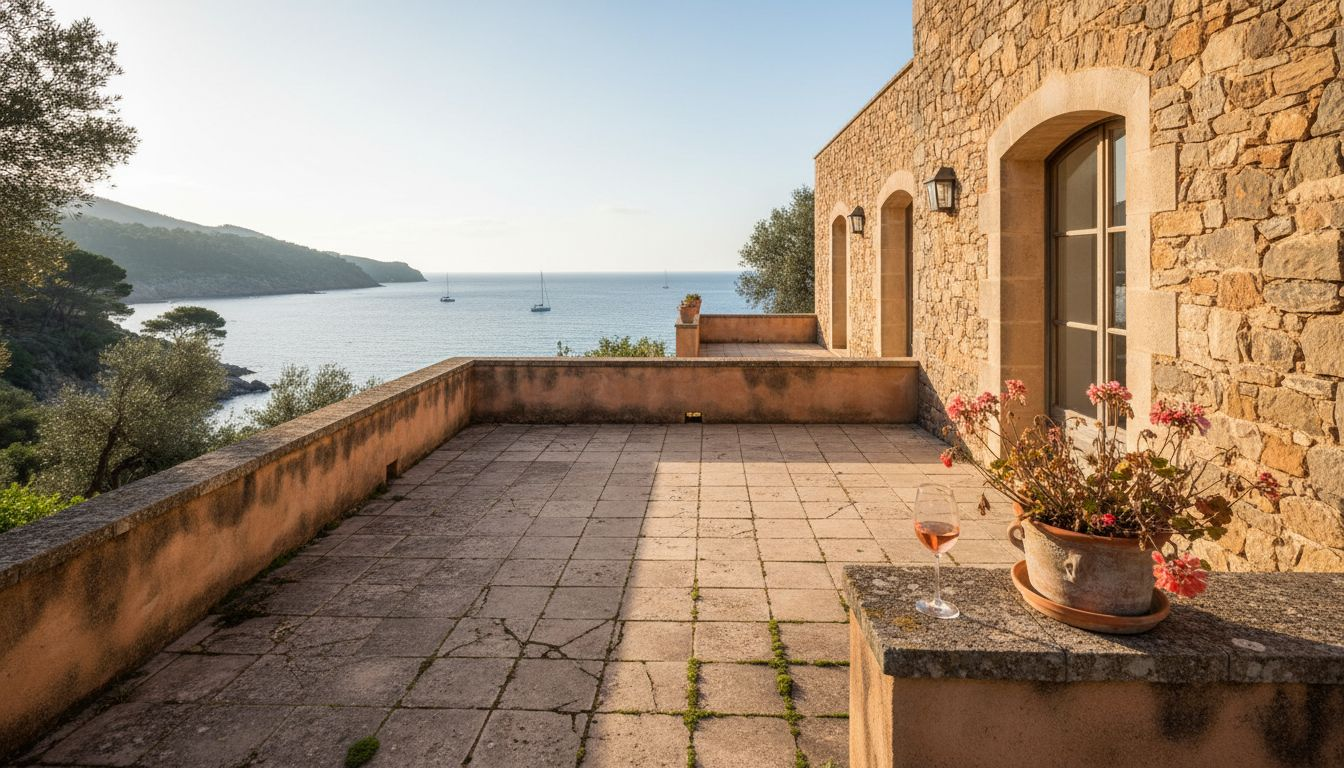
Over 65 percent of luxury vacation home buyers in Mallorca are international investors, with American couples making up a fast-growing segment. Securing a dream retreat in Mallorca offers more than pristine beaches and historic charm—it requires careful attention to Spanish legal details and cross-border financial planning. This guide delivers the practical insights high-net-worth American couples need for safe acquisitions, highlighting the crucial steps to protect your investment and ensure full regulatory compliance.
Key Takeaways
| Point | Details |
|---|---|
| Market Attraction | Mallorca’s stunning scenery and favorable investment conditions make it an attractive option for American buyers seeking luxury properties. |
| Legal Navigation | American investors must understand the unique legal requirements, including obtaining a Spanish tax identification number and compliance with local property laws. |
| Tax Obligations | Non-resident property owners in Mallorca face complex tax responsibilities that require careful planning and adherence to both Spanish and U.S. tax regulations. |
| Investment Risks | Thorough due diligence is crucial to avoid common pitfalls, such as title complications and hidden costs, that can jeopardize property acquisitions. |
Mallorca Vacation Homes for U.S. Buyers
American investors seeking luxurious Mediterranean escapes are increasingly drawn to Mallorca’s vibrant real estate market. With its stunning coastlines, historic towns, and favorable investment climate, the island represents a premier destination for U.S. buyers looking to secure a premium vacation property. Buying property in Mallorca presents unique opportunities for those willing to navigate the Spanish real estate landscape strategically.
Understanding the local market dynamics is crucial for successful property acquisition. Mallorca offers diverse property types ranging from traditional stone fincas in rural settings to modern seafront villas in exclusive coastal regions like Port d’Andratx and Son Vida. American buyers should focus on key considerations such as location, property condition, rental potential, and legal compliance with Spanish property regulations. Each region of Mallorca presents distinct investment characteristics investors must carefully evaluate.
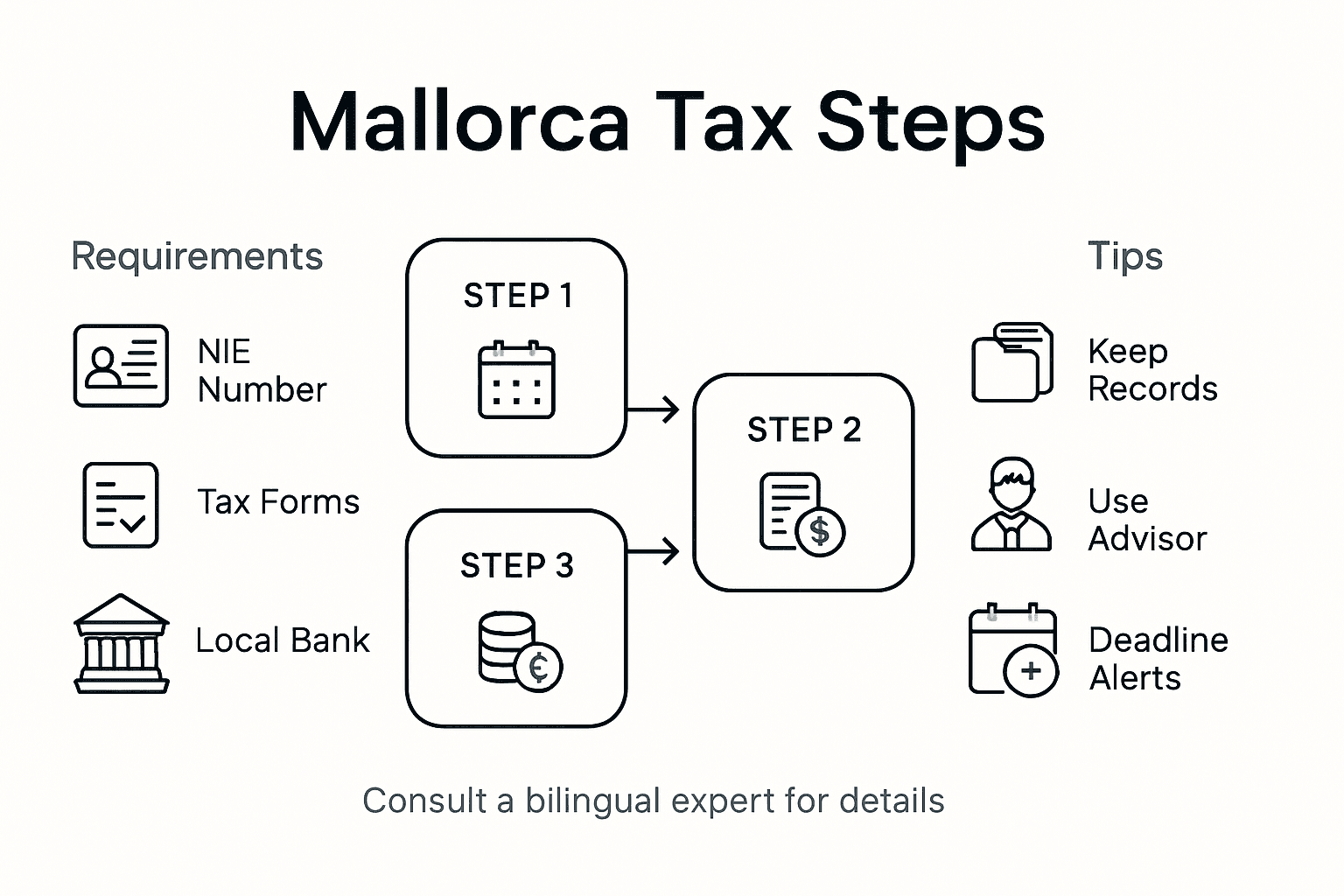
The purchasing process for foreign buyers involves several critical steps beyond typical U.S. real estate transactions. Prospective buyers need to obtain a Spanish tax identification number (NIE), open a local bank account, and work with certified legal representatives familiar with international property transfers. Importantly, non-resident Americans must comply with specific tax obligations and understand potential restrictions on property ownership. Key market trends for U.S. buyers in Mallorca’s 2025 real estate landscape indicate increasing demand and potential appreciation for well-selected properties.
Pro Tip for Smart Buyers: Engage a specialized buyer’s agent with deep local knowledge who understands both American investment perspectives and Mallorcan real estate nuances to navigate complex cross-border property acquisitions efficiently.
Luxury Property Types and Market Trends
Mallorca’s luxury real estate market offers an impressive array of premium property options for discerning American investors. Understanding the nuanced landscape of Mallorca luxury real estate requires deep insight into the island’s diverse architectural styles and investment potential. From historic stone mansions in rural landscapes to contemporary seafront villas in exclusive coastal regions, the island provides a rich tapestry of high-end residential opportunities.
The luxury property market in Mallorca demonstrates remarkable resilience and attractiveness for international buyers. Key property market trends for 2025 indicate sustained growth and increasing demand from high-net-worth individuals. Specific property types commanding significant interest include:
- Seafront Villas: Prime properties in Port d’Andratx and Son Vida
- Historic Fincas: Restored traditional countryside estates
- Modern Minimalist Homes: Architecturally significant properties in exclusive zones
- Penthouse Apartments: Luxury units in Palma’s most prestigious neighborhoods
Investors should recognize that Mallorca’s limited luxury property supply creates a robust market with strong potential for appreciation. American buyers benefit from understanding regional variations, legal requirements, and investment strategies unique to the Spanish real estate environment.

Pro Tip for Strategic Investors: Conduct thorough due diligence on each property’s potential rental income, appreciation trajectory, and local market microtrends before making a final investment decision.
Here’s a summary of premium property types and who they best suit:
| Property Type | Best Location | Ideal Buyer Profile | Key Investment Appeal |
|---|---|---|---|
| Seafront Villa | Port d’Andratx, Son Vida | High-net-worth individuals | Panoramic sea views, exclusivity |
| Historic Finca | Rural countryside | Heritage enthusiasts | Charm, potential for restoration |
| Modern Minimalist Home | Exclusive neighborhoods | Design-focused investors | Contemporary architecture, prestige |
| Penthouse Apartment | Palma city center | Urban luxury seekers | City accessibility, premium amenities |
Legal Requirements for Non-Resident Buyers
American investors purchasing vacation homes in Mallorca must navigate a complex legal landscape that requires careful preparation and expert guidance. Understanding the most common mistakes foreign buyers encounter is crucial to ensuring a smooth property acquisition process. Non-resident buyers face unique challenges including obtaining specific documentation, understanding tax obligations, and complying with Spanish real estate regulations.
The legal framework for non-resident property purchases in Spain involves several critical steps and requirements. American buyers must first secure a Spanish tax identification number (Número de Identificación de Extranjero or NIE), which is mandatory for all property transactions. This identification number serves as a fundamental requirement for opening bank accounts, signing property contracts, and managing financial transactions related to real estate investments.
Tax compliance represents another significant consideration for American investors. Navigating US tax obligations for property owners in Spain requires careful planning to avoid potential penalties and ensure proper reporting. Key tax considerations include:
- Declaring foreign bank accounts
- Understanding potential double taxation treaties
- Reporting requirements for the Foreign Bank Account Report (FBAR)
- Capital gains tax implications for property sales
The final stages of property acquisition involve a comprehensive legal review and completing the real estate closing process with precision. This typically requires working with a certified Spanish lawyer who specializes in international property transactions and can provide guidance through complex legal documentation.
Pro Tip for Legal Compliance: Engage a bilingual legal professional with specific expertise in American-Spanish cross-border real estate transactions to ensure comprehensive protection of your investment and full regulatory compliance.
Spanish Taxation and Annual Obligations
American property owners in Mallorca must navigate a complex Spanish tax landscape that requires meticulous understanding and strategic planning. Comprehensive tax considerations for overseas property buyers reveal multiple financial obligations that extend beyond the initial property purchase. Non-resident investors face several critical taxation requirements that demand careful attention and proactive management.
The primary tax obligations for American owners of Mallorca properties include Non-Resident Income Tax (Impuesto sobre la Renta de No Residentes), which applies even if the property is not generating rental income. This tax is calculated based on the property’s cadastral value, typically ranging from 19% to 24% for non-European Union residents. Property owners must also prepare for annual taxes such as the Property Tax (Impuesto sobre Bienes Inmuebles or IBI), which is assessed by local municipalities and varies depending on the property’s location and assessed value.
Additional taxation complexities include:
- Wealth Tax (Impuesto sobre el Patrimonio) for property values exceeding specific thresholds
- Capital gains tax on property sales
- Potential inheritance and gift tax implications
- VAT and transfer tax considerations for new versus resale properties
Sophisticated investors recognize the importance of understanding these nuanced tax requirements. Consulting with a tax professional specializing in Spanish and American international tax law can help optimize your tax strategy and ensure full compliance with both countries’ regulations.
Pro Tip for Tax Management: Maintain detailed financial records and work with a bilingual tax advisor who understands both Spanish and American tax systems to maximize potential deductions and minimize unexpected tax liabilities.
Navigating Cross-Border Transactions Safely
American investors purchasing property in Mallorca must implement robust strategies to protect their international investment. Best practices for secure cross-border property purchases emphasize the critical importance of comprehensive due diligence and strategic financial planning. Successfully navigating these complex transactions requires a multifaceted approach that addresses legal, financial, and regulatory challenges.
The foundation of a safe cross-border transaction begins with comprehensive financial preparation. This includes establishing specialized international banking relationships, understanding currency exchange risks, and implementing secure fund transfer mechanisms. American buyers should consider working with financial institutions experienced in international real estate transactions, utilizing specialized foreign currency accounts that minimize transfer fees and exchange rate fluctuations.
Key strategies for mitigating cross-border transaction risks include:
- Conducting thorough property title searches
- Verifying legal ownership documentation
- Engaging bilingual legal representation
- Implementing secure escrow account arrangements
- Obtaining comprehensive international property insurance
- Establishing clear communication channels with local professionals
Technical due diligence extends beyond financial considerations. Investors must carefully evaluate potential hidden costs, regulatory compliance requirements, and long-term financial implications. This includes understanding Spanish property transfer taxes, registration processes, and potential restrictions on foreign property ownership that could impact investment value and future transaction flexibility.
Pro Tip for Safe Transactions: Create a dedicated international transaction team including a Spanish lawyer, American tax advisor, and local real estate expert to provide comprehensive cross-border investment protection and strategic guidance.
Common Pitfalls and How to Avoid Them
American investors exploring Mallorca’s real estate market must be vigilant about potential risks that can derail their property investment dreams. Navigating the most frequent mistakes in property purchases requires strategic awareness and proactive planning to protect your substantial financial investment. Understanding these common pitfalls is crucial for ensuring a smooth and successful property acquisition process.
One of the most significant risks involves inadequate property title verification. Many foreign buyers mistakenly assume that property titles are straightforward, but Mallorca’s complex real estate history can hide unexpected legal complications. These might include unresolved inheritance disputes, boundary disagreements, or undocumented property modifications that can create substantial legal and financial challenges. Comprehensive title searches conducted by certified local experts are essential to uncovering potential hidden issues before finalizing a purchase.
Key pitfalls American buyers must carefully navigate include:
- Overlooking hidden property debts or encumbrances
- Failing to verify precise property boundaries
- Neglecting comprehensive structural property inspections
- Misunderstanding local zoning and renovation restrictions
- Underestimating required renovation or maintenance costs
- Insufficient understanding of rental license requirements
Financial risks extend beyond the initial purchase price. Foreign investors often underestimate additional costs such as transfer taxes, legal fees, notary expenses, and ongoing maintenance requirements. Currency exchange fluctuations can also significantly impact the total investment value, making it crucial to develop a comprehensive financial strategy that accounts for potential market variations and unexpected expenses.
Pro Tip for Risk Mitigation: Allocate at least 10-15% of your property budget as a contingency fund to cover unexpected expenses, legal complications, and potential renovation or compliance costs.
Use this reference table to understand common transaction risks and proven mitigation tips:
| Risk Type | Typical Cause | Mitigation Strategy |
|---|---|---|
| Title Complications | Unresolved legal issues | Hire local title verification experts |
| Currency Fluctuations | International fund transfers | Use dedicated foreign currency accounts |
| Unforeseen Maintenance | Hidden property defects | Conduct professional structural inspection |
| Compliance Failures | Missed legal documentation steps | Work with bilingual legal professionals |
Unlock Your Mallorca Investment with Expert Guidance
Buying a vacation home in Mallorca poses unique challenges for American investors from securing a Spanish tax identification number to navigating complex legal requirements and cross-border transactions. You want to avoid costly pitfalls like title complications and unexpected tax obligations while maximizing your investment’s potential in Mallorca’s luxury real estate market. With so many details to handle, having a trusted partner who understands both the American perspective and local Mallorcan real estate nuances is essential for peace of mind and successful acquisition.
At ULI & LISA, we specialize in helping American buyers find the perfect luxury or investment property by combining advanced AI-powered market searches with personalized support tailored to your needs. Whether you are exploring seafront villas, historic fincas, or penthouse apartments, our expertise guides you through every step from legal compliance to tax planning. Don’t risk your dream investment without expert assistance—start your journey now by exploring Buying property in Mallorca for American investors and gain insider insights from our comprehensive resources. Connect with us today at https://uli-lisa.com to secure your Mediterranean vacation home the smart way.
Frequently Asked Questions
What are the key legal requirements for American buyers purchasing property in Mallorca?
To buy property in Mallorca, American buyers must obtain a Spanish tax identification number (NIE), open a local bank account, and work with certified legal representatives experienced in international transactions. Compliance with tax obligations and understanding property ownership restrictions is also necessary.
How do I ensure a sound investment in Mallorca’s luxury real estate market?
Conduct thorough research on property types, including seafront villas, historic fincas, and modern minimalist homes. Evaluate rental potential, local market trends, and legal requirements before making a purchase. Additionally, engage a buyer’s agent who understands both American investment perspectives and local real estate nuances.
What are the typical tax obligations for non-residents owning property in Mallorca?
American property owners in Mallorca have several tax responsibilities, including Non-Resident Income Tax based on the property’s cadastral value, Property Tax (IBI), and potentially Wealth Tax. It’s crucial to consult a tax professional with expertise in both Spanish and American tax law to remain compliant.
What common pitfalls should I avoid when buying property in Mallorca?
Avoid risks like inadequate property title verification, underestimating renovation costs, and misunderstanding local zoning regulations. Ensure complete structural inspections are carried out and allocate a contingency fund of 10-15% of your budget for unexpected expenses.
Recommended
- Buying Property in Mallorca: Key Steps for Americans - ULI & LISA Mallorca Property Blog
- 7 Key Investment Property Types in Mallorca Explained - ULI & LISA Mallorca Property Blog
- Remote Property Buying Mallorca: Complete Guide - ULI & LISA Mallorca Property Blog
- Advantages of Buying in Mallorca: Complete Guide - ULI & LISA Mallorca Property Blog
- 7 Smart Alternatives to Timeshare Ownership – Complete Transfers