
Transferring property in Mallorca is not just paperwork. It is a careful process backed by laws and countless checkpoints that often surprise both buyers and sellers. But get this, international buyers face extra layers of complexity, with Mallorca’s property transfer process involving multiple steps, fees, and strict legal checks unique to the Balearic Islands—sometimes totaling over 10 percent of the purchase price. What many do not expect is that the most challenging part is often hidden outside the contract—buried in documentation and tax rules that can quietly trip up even experienced investors.
Table of Contents
- What Is The Property Transfer Process In Mallorca?
- Why Understanding Property Transfer Matters For Buyers
- Key Elements Of The Property Transfer Process In Mallorca
- Legal And Financial Considerations In Property Transfers
- Navigating Common Challenges In The Mallorca Property Market
Quick Summary
| Takeaway | Explanation |
|---|---|
| Understand the legal framework | Familiarity with Spanish laws ensures smoother property transfers and legal compliance. |
| Budget for additional costs | Beyond the price, anticipate taxes and fees associated with property acquisition in Mallorca. |
| Conduct thorough due diligence | Verify property titles and check for legal encumbrances to avoid future disputes. |
| Work with local professionals | Engaging notaries and lawyers aids in navigating complex legal and financial landscapes. |
| Be aware of tax obligations | Understanding local tax rules is crucial for financial planning and long-term investment value. |
What is the Property Transfer Process in Mallorca?
The property transfer process in Mallorca involves a series of complex legal and financial steps that transform property ownership from seller to buyer under Spanish regional regulations. Understanding this intricate process requires navigating multiple administrative and legal requirements specific to the Balearic Islands.
Legal Framework and Property Ownership Transfer
Property transfers in Mallorca follow a structured approach governed by Spanish national and regional legislation. According to the Real Estate Cadastre Law, property transfers require comprehensive documentation and official verification to ensure legal compliance and protect both buyer and seller interests.
Key components of the property transfer process include:
- Verification of Property Title: Confirming the seller’s legal right to transfer ownership
- Due Diligence: Checking for potential liens, encumbrances, or legal restrictions
- Tax Compliance: Calculating and paying applicable property transfer taxes
Financial and Notarial Requirements
Transferring property in Mallorca necessitates involvement from multiple professionals, including notaries, lawyers, and tax authorities. The process typically involves preparing and executing a public deed of sale (escritura de compraventa), which legally validates the property transfer.
Financial considerations are crucial during this process. Buyers must budget for various expenses beyond the property’s purchase price, such as:
- Property transfer tax (Impuesto de Transmisiones Patrimoniales)
- Notary fees
- Registration costs at the local land registry
- Legal advisory services
The complexity of the property transfer process in Mallorca underscores the importance of working with experienced local professionals who understand the nuanced legal and financial landscape of real estate transactions in the Balearic Islands.
Why Understanding Property Transfer Matters for Buyers
Property transfer in Mallorca represents more than a simple transaction; it is a complex legal and financial journey that requires strategic navigation and comprehensive understanding. For international buyers, particularly those from the United States, comprehending the nuanced property transfer process can mean the difference between a smooth acquisition and potential legal complications.
Legal Protection and Risk Mitigation
Understanding the property transfer process provides critical legal safeguards for buyers. According to Cornell Law School’s Legal Information Institute, real estate transactions involve multiple layers of legal complexity that directly impact property ownership rights.
Key legal protections include:
- Title Verification: Ensuring the property has a clear ownership history
- Encumbrance Assessment: Identifying potential legal restrictions or outstanding claims
- Contractual Integrity: Confirming all transfer documents meet legal standards
Financial Implications and Strategic Planning
Beyond legal considerations, property transfer understanding directly influences financial outcomes. Buyers who thoroughly comprehend the process can strategically manage expenses, anticipate potential costs, and make more informed investment decisions.
Financial considerations buyers must evaluate include:
- Tax obligations and potential implications
- Transaction costs beyond the property’s purchase price
- Potential long term investment value
- Fiscal responsibilities associated with property ownership
By developing a comprehensive understanding of the property transfer process, buyers transform from passive participants to informed, strategic investors capable of navigating Mallorca’s unique real estate landscape with confidence and precision.
Key Elements of the Property Transfer Process in Mallorca
The property transfer process in Mallorca demands meticulous attention to detail and comprehensive understanding of regional legal and financial requirements. International buyers must navigate a complex landscape of documentation, verification, and regulatory compliance unique to the Balearic Islands.
Documentation and Legal Verification
Successful property transfers hinge on precise documentation and thorough legal verification. According to the UK Government’s Guide to Purchasing Property in Spain, international buyers must compile and authenticate multiple critical documents to ensure a legally sound transaction.
Essential documentation includes:
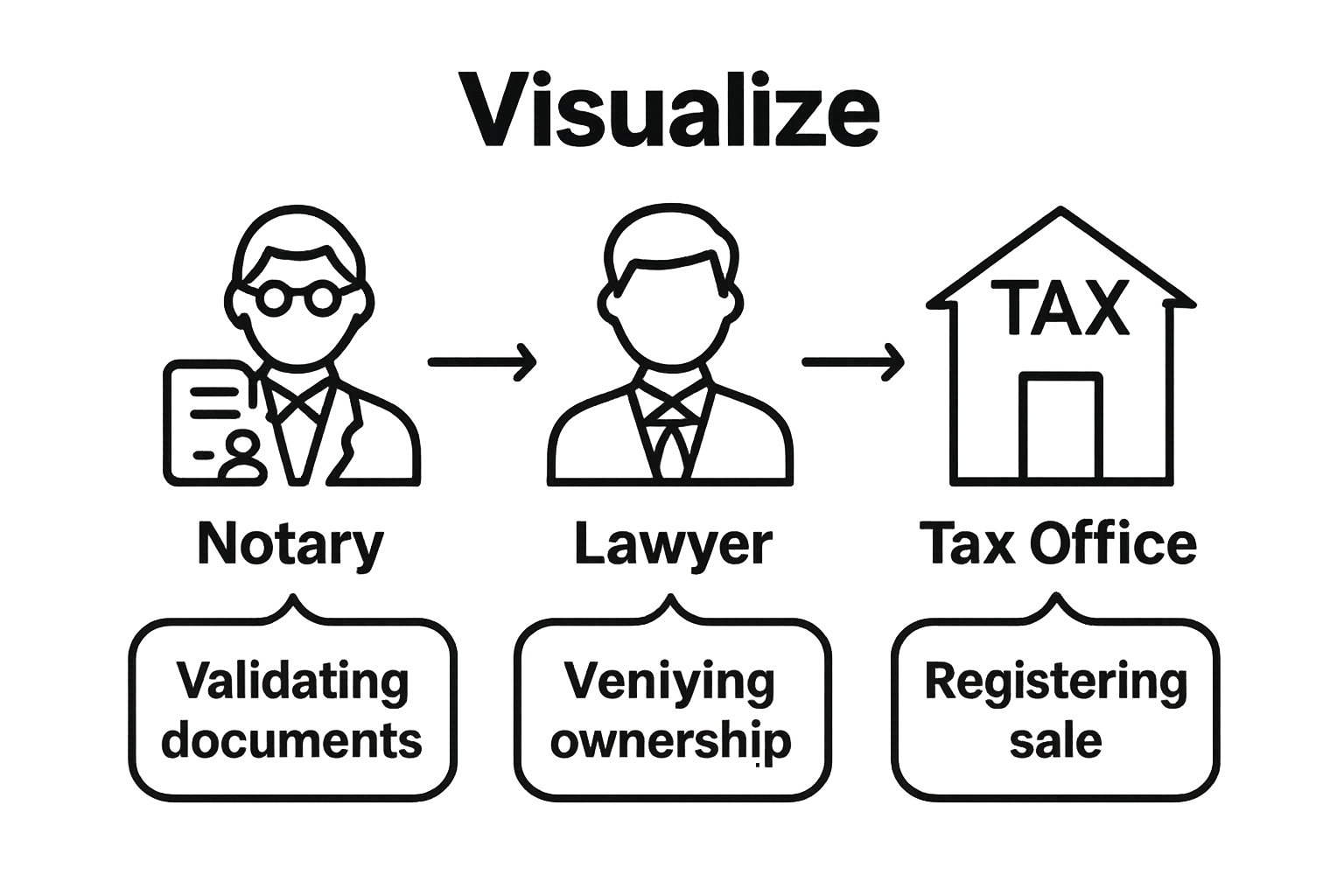
- Nota Simple: An official property registry extract detailing ownership history
- Certificado de Empadronamiento: Municipal registration certificate
- Certificado de Catastro: Property cadastral certificate confirming property details
- IBI Receipt: Proof of property tax payment
Financial Considerations and Tax Obligations
Property transfers in Mallorca involve complex financial calculations and tax implications that extend beyond the simple purchase price. Buyers must budget for various mandatory expenses and understand the intricate tax structure governing real estate transactions.
The following table organizes typical documentation required for property transfers in Mallorca, summarizing each document’s purpose for easier reference by international buyers.
| Document | Purpose |
|---|---|
| Nota Simple | Official registry extract detailing property ownership and history |
| Certificado de Empadronamiento | Municipal registration certificate establishing local occupancy status |
| Certificado de Catastro | Confirmation of property details from the Spanish cadastral registry |
| IBI Receipt | Proof of payment for local property tax (Impuesto sobre Bienes Inmuebles) |
| Escritura de Compraventa | Public deed of sale legally validating the property transfer |
| Land Registry Registration Proof | Confirmation of property registration in the local land registry |
Key financial elements buyers must consider:
- Property transfer tax (Impuesto de Transmisiones Patrimoniales)
- Notary fees for legal document authentication
- Land registry registration costs
- Potential capital gains tax implications
By comprehensively understanding these key elements, international buyers can navigate the Mallorca property transfer process with confidence, minimizing potential legal risks and ensuring a smooth, successful transaction.
Legal and Financial Considerations in Property Transfers
Property transfers in Mallorca represent a complex intersection of legal requirements and financial strategies that demand sophisticated understanding from international buyers. The intricate landscape of Spanish real estate regulations requires careful navigation to ensure compliance and protect investment interests.
Tax Structure and Financial Implications
Understanding the nuanced tax environment is crucial for successful property transfers. According to the International Bar Association, Spain’s real estate tax policies create significant considerations for non-EU property investors.
Key tax considerations include:
- Transfer Tax: Varying rates based on property value and region
- Capital Gains Tax: Potential liability for property appreciation
- Non-Resident Tax Obligations: Special reporting requirements
- Municipal Property Tax: Annual fiscal responsibilities
Legal Frameworks and Investor Protection
The legal framework surrounding property transfers in Mallorca provides structured protections for buyers while establishing clear expectations for transaction processes. International investors must understand the comprehensive legal mechanisms that govern real estate acquisitions.
Critical legal elements encompass:
- Comprehensive property title verification
- Understanding contractual obligations
- Identifying potential legal encumbrances
- Ensuring compliance with regional and national regulations
By meticulously addressing both legal and financial dimensions, international buyers can confidently engage in Mallorca’s real estate market, transforming potential complexity into strategic investment opportunities.
To clarify the differences between legal and financial aspects of property transfers in Mallorca, the following table compares core elements from each perspective.
| Aspect | Legal Considerations | Financial Considerations |
|---|---|---|
| Title Verification | Confirm ownership and identify encumbrances | Costs for registry and legal checks |
| Contracts | Ensure documents meet Spanish and Balearic legal standards | Notary fees for contract drafting and execution |
| Compliance | Adhere to regional and national real estate regulations | Payment and calculation of taxes (transfer, capital gains, etc.) |
| Due Diligence | Review potential disputes and legal liabilities | Budgeting for hidden costs and consultation fees |
| Ongoing Obligations | Understand rights and restrictions tied to property ownership | Annual municipal and non-resident property taxes |
Navigating Common Challenges in the Mallorca Property Market
Mallorca’s real estate landscape presents a complex environment where international buyers encounter unique challenges that require strategic navigation and comprehensive understanding. The property market demands nuanced knowledge beyond traditional real estate transactions, presenting sophisticated investors with both opportunities and potential complications.
Ownership Verification and Legal Complexities
Precise property ownership verification stands as a critical challenge for international buyers. According to the Spanish Property Register Guidelines, obtaining a comprehensive land register extract (nota simple informativa) becomes essential for understanding potential encumbrances and ownership history.
Key challenges in ownership verification include:
- Complex Historical Documentation: Tracing property ownership through multiple generations
- Potential Unresolved Legal Claims: Identifying historical disputes or inheritance complications
- Regional Regulatory Variations: Understanding Balearic Islands specific property regulations
- International Buyer Restrictions: Navigating potential limitations for non-Spanish residents
Financial Barriers and Hidden Costs
International buyers must anticipate a sophisticated financial landscape extending far beyond the initial property purchase price. The Mallorca real estate market requires comprehensive financial planning that accounts for numerous additional expenses and potential tax implications.
Significant financial considerations encompass:
- Notary and legal consultation fees
- Land registry registration costs
- Potential renovation or maintenance expenses
- Complex tax structures for non-resident property owners
Successful navigation of Mallorca’s property market demands meticulous research, professional guidance, and a strategic approach that transforms potential challenges into calculated investment opportunities.

Take the Stress Out of Property Transfers in Mallorca
Are you feeling overwhelmed by Mallorca’s complex property transfer process? This article points out how daunting it can be to verify ownership, navigate documentation, and manage hidden costs—especially for international buyers. If you are challenged by the legal framework, tax structure, and countless details of buying in the Balearic Islands, you are not alone. Many buyers worry about making a costly mistake or missing an important compliance step.
Let ULI & LISA help you transform uncertainty into confidence. With our advanced AI-driven search and deep local expertise, we guide you through every phase of the property transfer journey—ensuring clear title, tax compliance, and reliable support from search to signing. Start your smooth real estate journey today at ULI & LISA or connect right away for personalized guidance. The right expertise can protect your investment and turn your Mallorca dream into reality. Act now to secure the advantage in this competitive market.
Frequently Asked Questions
What steps are involved in the property transfer process in Mallorca?
The property transfer process in Mallorca includes verification of property title, thorough due diligence, and compliance with tax obligations. It requires the execution of a public deed of sale and meticulous documentation.
Why is due diligence important when transferring property in Mallorca?
Due diligence is crucial to ensure that the property has no liens or encumbrances and that the seller has the legal right to transfer ownership. It protects the buyer from potential legal issues and financial liabilities.
What are the typical costs associated with buying property in Mallorca?
Typical costs go beyond the purchase price and include property transfer tax, notary fees, registration costs at the local land registry, and legal advisory services. Buyers should budget for these expenses to ensure a smooth transaction.
How can international buyers mitigate risks during the property transfer process?
International buyers can mitigate risks by working with experienced local professionals, ensuring comprehensive title verification, understanding contractual obligations, and being aware of potential legal encumbrances associated with the property.