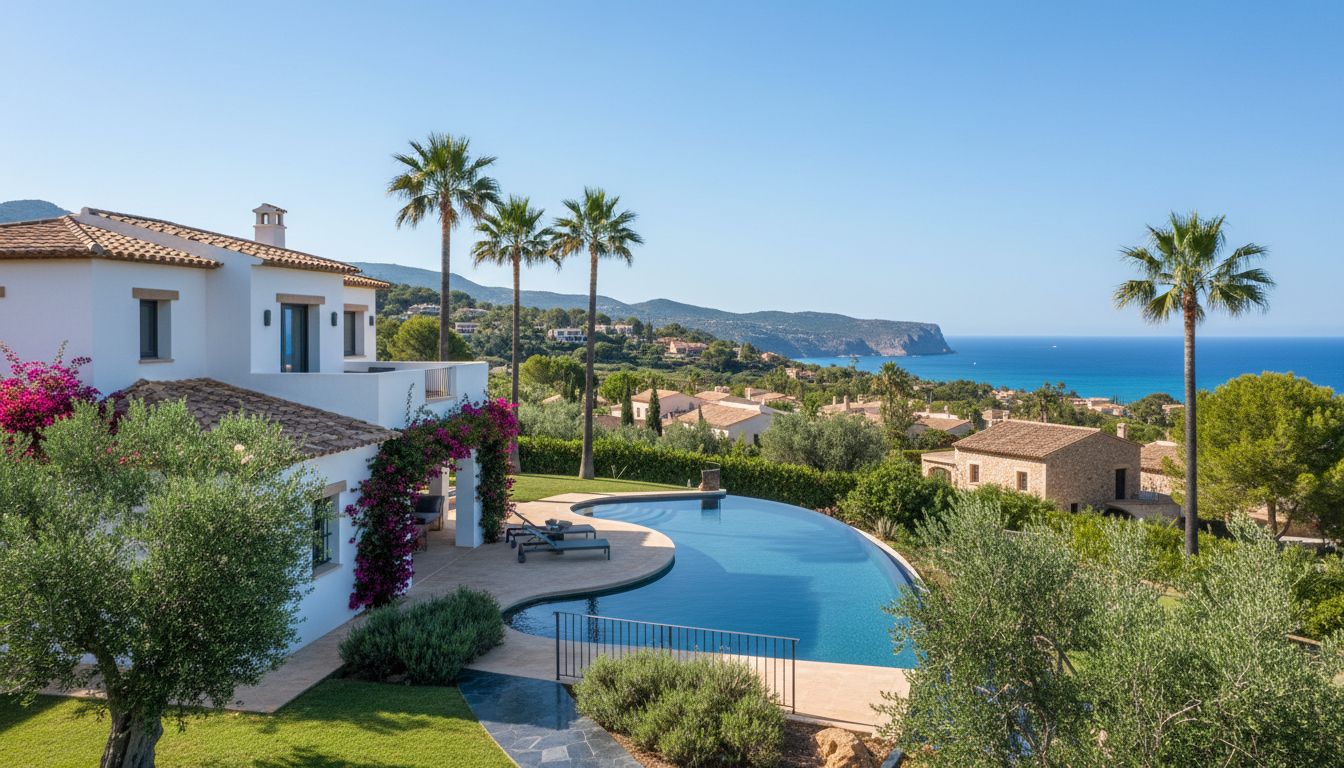
Over 65 percent of international buyers in Mallorca say neighborhood insight shapes their purchase decisions. With soaring demand for Mediterranean properties, each step in your property search could mean the difference between a smart investment and buyer’s regret. From understanding local infrastructure to unraveling legal details, knowing what to watch for can save you time, money, and stress—especially if you are new to Mallorca’s real estate scene.
Quick Summary
| Takeaway | Explanation |
|---|---|
| 1. Assess Neighborhood Dynamics | Evaluate neighborhood aspects like services, safety, and maintenance. Visit various times to gauge true living conditions. |
| 2. Conduct Structural Assessments | Hire a local inspector to evaluate building integrity, identifying potential costs from underlying issues. |
| 3. Review Legal Documentation Thoroughly | Engage a Spanish lawyer to ensure property legality, checking title, encumbrances, and zoning regulations. |
| 4. Verify Utility and Technology Infrastructure | Assess utility systems and internet capabilities to ensure comfortable living standards and modern amenities. |
| 5. Investigate Community Fees and Future Value | Analyze community fees and project long-term property appreciation based on location and amenities. |
1. Assess Location and Neighborhood Suitability
Mallorca’s property market demands strategic location assessment beyond simple aesthetics. When evaluating potential properties, understanding the neighborhood becomes your critical first step toward making an informed investment.
Location analysis in Mallorca requires a comprehensive approach that goes well beyond superficial appearances. According to HUD research, effective neighborhood evaluation involves examining multiple interconnected factors such as home conditions, traffic patterns, noise levels, safety infrastructure, and available public services.
Key Neighborhood Assessment Factors:
- Property proximity to essential services
- Local infrastructure quality
- Safety and security ratings
- Transportation accessibility
- Surrounding property maintenance standards
Specifically for American buyers seeking Mallorca properties, you want to conduct thorough on site research. Visit potential neighborhoods at different times of day to understand true living dynamics. Walk local streets, observe resident interactions, check proximity to amenities like grocery stores, medical facilities, and restaurants. Pay attention to how well maintained surrounding properties appear.
As housing experts recommend, engaging with local residents provides invaluable insights. Short conversations can reveal neighborhood personality, potential development plans, and community dynamics that might not be immediately apparent.
Pro Tip: Consider working with local real estate professionals who understand Mallorcan neighborhood nuances and can provide granular insights about specific areas’ investment potential and lifestyle characteristics.
2. Evaluate Building Structure and Condition
In Mallorca’s dynamic real estate market, a property’s structural integrity is your foundation for a sound investment. Understanding the physical condition of a building goes far beyond aesthetic appeal and requires a meticulous, professional assessment.
According to Washington State Ecology guidelines, a comprehensive structural evaluation must investigate multiple critical components. This means looking well beyond surface level appearances and understanding the property’s underlying health.
Critical Structural Assessment Elements:
- Foundation stability
- Wall and ceiling structural integrity
- Roof condition and age
- Potential water damage indicators
- Presence of hazardous materials
- Historical site usage impact
Specifically for American buyers in Mallorca, hiring a certified local building inspector becomes paramount. These professionals understand regional construction nuances and can identify potential issues that might escape an untrained eye. As housing assessment resources recommend, a thorough examination should encompass not just current structural conditions but also potential environmental hazards and historical site characteristics.
Pay special attention to older properties traditional Mallorcan fincas which might harbor hidden structural challenges. Look for signs like uneven flooring, wall cracks, moisture stains, or outdated electrical systems. These can indicate deeper maintenance requirements that could translate into significant future expenses.
Pro Tip: Request a comprehensive structural report before finalizing your purchase. This document will provide detailed insights into the property’s condition and potential renovation needs, helping you make an informed investment decision.
3. Inspect Legal Documentation and Ownership
Navigating Mallorca’s property legal landscape requires precision and expert guidance. Your investment protection hinges on understanding and verifying every legal aspect of property ownership.
According to HUD guidelines, comprehensive legal documentation review extends far beyond simple title verification. You must investigate potential liens, understand zoning regulations, and uncover any neighborhood restrictions that could impact your property usage and future value.
Critical Legal Documentation Components:
- Property title verification
- Boundary and site survey details
- Potential ownership encumbrances
- Zoning regulation compliance
- Rights of way or easement documentation
- Historical property transaction records
Housing toolbox resources emphasize the importance of understanding each legal nuance. For American buyers in Mallorca, this means working with local legal professionals who specialize in Spanish real estate transactions.
Specifically in Mallorca, pay close attention to unique regional regulations. Some properties might have restrictions related to renovation, rental licenses (ETV), or specific conservation requirements. Coastal properties often have additional legal complexities surrounding land use and development permissions.
Pro Tip: Engage a local Spanish lawyer specializing in real estate to conduct a comprehensive legal audit. This professional will help you navigate potential legal complexities and ensure a transparent, secure property acquisition process.
4. Check Utilities, Installations, and Internet
Mallorca’s unique infrastructure requires meticulous utility assessment, especially for American buyers seeking seamless technology and modern living standards. Understanding your property’s utility capabilities is more than a technical checklist it is about ensuring comfortable, connected living.
According to Washington State Ecology guidelines, comprehensive utility evaluation involves examining multiple critical infrastructure components. This means looking beyond basic electricity and water connections to understand the entire systems functionality and potential limitations.
Key Utility Assessment Parameters:
- Electrical system capacity and modernization
- Water supply quality and pressure
- Sewage and drainage infrastructure
- Internet connectivity and bandwidth
- Telecommunications network coverage
- Solar potential and renewable energy options
Housing assessment resources recommend carefully evaluating existing utility systems and determining potential upgrade requirements. In Mallorca, this becomes particularly important given the islands diverse geographical landscapes and varying infrastructure development levels.
For American buyers, internet connectivity should be a top priority. Rural or remote Mallorcan properties might have limited high speed internet options. Request detailed speed tests and confirm telecommunications infrastructure before finalizing your purchase. Some areas might require satellite or specialized internet solutions.
Pro Tip: Work with local utility experts who can provide precise assessments of your potential property’s technological and infrastructural capabilities. Their insights will help you understand potential additional investment requirements for modernization.
5. Review Outdoor Spaces and Privacy
In Mallorca, your property’s outdoor environment represents more than aesthetic appeal it is an extension of your living space and potential investment value. Understanding the nuances of exterior areas becomes crucial for discerning American buyers seeking premium Mediterranean properties.
According to HUD guidelines, evaluating outdoor spaces requires a comprehensive examination beyond simple square footage. You must analyze the yard’s condition, potential privacy levels, and existing landscape infrastructure.
Critical Outdoor Space Assessment Elements:
- Total exterior area measurement
- Landscape quality and maintenance potential
- Existing structural features
- Natural privacy barriers
- Potential for garden or recreational development
- Sunlight exposure and orientation
Housing assessment resources emphasize investigating potential environmental considerations. In Mallorca, this means understanding microclimates, soil conditions, and local vegetation patterns that could impact your outdoor living experience.
Privacy becomes particularly important for international buyers. Some Mallorcan properties might have complex boundary arrangements or unexpected sight lines from neighboring structures. Carefully assess existing fencing, natural vegetation, and potential visual obstructions to ensure your desired level of seclusion.
Pro Tip: During property viewings, visit the outdoor spaces at different times of day. Observe sunlight patterns, potential noise levels, and true privacy conditions that might not be immediately apparent during a standard walkthrough.
6. Confirm Community and Maintenance Fees
Mallorca’s property landscape involves more than purchase price understanding the intricate web of community fees and maintenance costs is critical for smart international investors. These recurring expenses can significantly impact your long term financial planning and property value.
According to HUD guidelines, comprehensive fee assessment extends beyond simple monetary calculations. You must investigate neighborhood restrictions, service quality, and potential future cost escalations that could affect your investment.
Key Community Fee Evaluation Components:
- Homeowners association (HOA) monthly rates
- Property management expenses
- Shared infrastructure maintenance costs
- Utility and service contribution requirements
- Emergency reserve fund contributions
- Municipal tax assessments
Housing assessment resources recommend carefully evaluating public service costs related to your potential property. In Mallorca, this means understanding unique regional fee structures that might differ significantly from American real estate markets.
For American buyers, pay special attention to community fees in urbanizations or developments with shared amenities. Some Mallorcan properties include swimming pools, gardens, or security services within their maintenance costs. Request detailed fee breakdowns and historical cost progression to understand potential future financial commitments.
Pro Tip: Always request a minimum three year fee history and projected future assessments. This will provide transparency about potential unexpected financial obligations associated with your Mallorcan property investment.
7. Consider Future Value and Resale Potential
In Mallorca’s dynamic real estate market, your property investment transcends immediate ownership it represents a strategic financial asset with potential long term appreciation. Understanding future value requires a nuanced approach beyond simple market trend analysis.
According to the American Apartment Owners Association, property valuation hinges on multiple interconnected factors. Centrality, neighborhood amenities, development plans, and overall desirability become critical predictors of potential investment success.
Key Future Value Assessment Metrics:
- Local infrastructure development trajectories
- Proximity to emerging economic zones
- Tourism and rental market potential
- Historical property appreciation rates
- Planned municipal improvements
- Environmental preservation status
Housing investment resources emphasize the importance of neighborhood stability and attractiveness. In Mallorca, this means investigating areas with sustainable growth potential such as regions near emerging cultural districts, improving transportation links, or zones with strong international buyer interest.
For American investors, understanding Mallorcan real estate cycles becomes crucial. Some areas experience more consistent appreciation due to factors like limited construction zones, protected landscapes, or high demand from international buyers seeking Mediterranean lifestyle properties.
Pro Tip: Engage local real estate professionals who can provide granular insights into micro market trends. Their expertise can help you identify properties with exceptional long term appreciation potential beyond standard market indicators.
Below is a comprehensive table summarizing the steps and considerations for purchasing property in Mallorca as discussed throughout the article.
| Main Step | Key Points & Actions | Benefits/Outcomes |
|---|---|---|
| Assess Location and Neighborhood | Evaluate proximity to services, safety, infrastructure, transport, and maintenance. Engage with locals for insights. | Gain understanding of area dynamics and potential investment suitability. |
| Evaluate Building Structure and Condition | Inspect foundation, walls, roof, and check for hazards with a local inspector. | Ensure structural integrity and identify future renovation needs. |
| Inspect Legal Documentation and Ownership | Verify title, survey details, zoning compliance, and engage a local lawyer for a comprehensive legal audit. | Secure a transparent buying process and mitigate legal risks. |
| Check Utilities, Installations, and Internet | Assess electricity, water, sewage, and internet quality. Consider modernizing requirements. | Ensure modern living standards and connectivity. |
| Review Outdoor Spaces and Privacy | Measure exterior areas, evaluate landscape potential, and check for privacy. | Optimize outdoor living experience and property value. |
| Confirm Community and Maintenance Fees | Investigate HOA rates, service costs, and fee histories. | Understand financial commitments and planning with clarity about future cost escalations. |
| Consider Future Value and Resale Potential | Examine infrastructure development, economic zones, and market trends. Consult with local professionals for insights. | Identify properties with high appreciation prospects and sound long-term investment potential. |
Simplify Your Mallorca Property Viewing with Expert Guidance
Navigating the 7 essential steps for a property viewing checklist in Mallorca can feel overwhelming, especially when you are focused on key challenges like assessing neighborhood suitability, verifying legal documents, or checking utilities and outdoor spaces. Many international buyers share your concerns about uncovering hidden issues and confidently evaluating future value while managing the complexities unique to Mallorca’s market.
At ULI & LISA, we understand these pain points deeply. Our advanced AI-powered tools and local expertise ensure a thorough, personalized search tailored to your priorities. Whether you need professional advice on building condition, assistance reviewing community fees, or detailed insights into privacy and infrastructure, we provide trustworthy support every step of the way.
Ready to turn your property viewing checklist into a seamless buying journey? Explore how our comprehensive property search and personalized guidance can help you make smart, confident investment decisions in Mallorca. Act now to gain an advantage in this competitive market and find your dream property with absolute peace of mind.
Frequently Asked Questions
What should I assess when evaluating the location of a property in Mallorca?
When assessing a property’s location, look for proximity to essential services, local infrastructure quality, and safety ratings. Visit the area at different times to better understand its dynamics and gauge how well the neighborhood is maintained.
How can I evaluate the structural integrity of a property in Mallorca effectively?
To evaluate structural integrity, hire a certified local building inspector who can assess the foundation, walls, roof condition, and look for water damage or hazardous materials. Request a comprehensive structural report before making any purchase decisions to identify potential renovation needs.
What legal documents should I examine during a property viewing in Mallorca?
Examine the property title, boundary surveys, potential liens, and compliance with zoning regulations. Ensure you understand neighborhood restrictions that could affect property usage, and consider hiring a local lawyer for a thorough legal review.
How do I check the utility capabilities of a property in Mallorca?
Check the electrical system’s capacity, quality of water supply, sewage infrastructure, and internet connectivity. Ensure that the utilities meet your expectations for modern living by requesting detailed assessments of these systems before finalizing your purchase.
What outdoor features should I prioritize during a property viewing?
Focus on the total exterior area, landscape quality, and potential for privacy. Evaluate existing structural features and natural barriers that contribute to your outdoor living experience; take note of sunlight exposure at different times of day to assess its usability.
How can I understand community and maintenance fees for my property investment?
Investigate homeowners’ association fees, property management expenses, and shared infrastructure costs. Request a breakdown of fees across the past three years to identify trends and potential future assessments that might impact your financial planning.
Recommended
- Property Viewing Tips Mallorca: Find Your Ideal Home Fast - ULI & LISA Mallorca Property Blog
- How to Shortlist Mallorca Properties for Smart Buyers - ULI & LISA Mallorca Property Blog
- Steps to Buy Property Mallorca: Your Luxury Guide - ULI & LISA Mallorca Property Blog
- How to Evaluate Mallorca Real Estate: A Comprehensive Guide - ULI & LISA Mallorca Property Blog
- 7 Key Steps for Your Rental Property Maintenance Checklist - Guestly Homes