TL;DR:
- Palma de Mallorca’s apartment market is highly competitive, offering historic flats, modern residences, and budget options.
- Rent prices are rising, with prime neighborhoods costing over €1,300 monthly for a one-bedroom.
Palma de Mallorca apartments are residential rental properties ranging from centuries-old Old Town flats to contemporary beachfront residences, and they represent one of Southern Europe’s most competitive rental markets in 2026. The city draws international renters for its Mediterranean climate, direct flights to major U.S. and European hubs, and a quality of life that few Spanish cities match at comparable price points. Whether you plan a short vacation stay or a full relocation, understanding the market before you sign anything saves you money and avoids costly mistakes. This guide breaks down apartment types, neighborhoods, pricing, and the key factors that separate a smart rental decision from an expensive one.
1. What types of apartments are available in Palma de Mallorca?
Palma’s rental stock divides into three broad categories: historic Old Town flats, modern apartments near the marina and beaches, and budget-friendly units in residential outer neighborhoods. Each category serves a different lifestyle and budget.
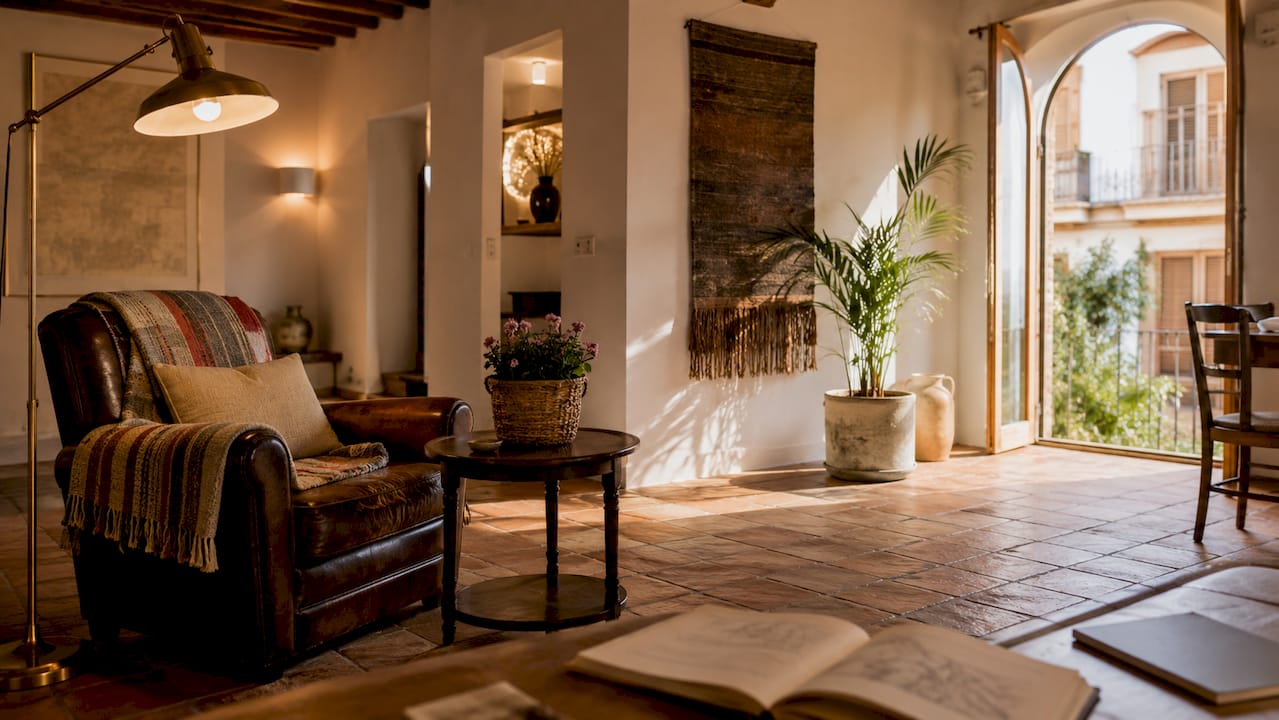
Historic Old Town flats occupy centuries-old stone buildings in the city center. They offer thick walls, high ceilings, and proximity to Palma Cathedral and the Almudaina Palace. The trade-off is real. Old Town apartments often lack elevators and central heating, which matters if you plan a year-round stay or have mobility considerations.
Modern apartments near Portixol, the marina, and Playa de Palma typically include air conditioning, elevators, underground parking, and community pools. These properties attract international renters willing to pay a premium for comfort and sea views. Sizes range from compact studios to three-bedroom units with large terraces.
Budget-friendly flats in neighborhoods like Son Gotleu or Pere Garau offer lower rents but require more research on building condition and local amenities. These areas suit long-term residents who prioritize cost over location prestige.
- Historic Old Town flats: charm, central location, often no elevator or heating
- Modern marina and beach apartments: full amenities, higher rents, strong demand
- Budget residential flats: lower cost, less central, suitable for long-term renters
- Vacation rentals: must carry a Turismo de Interior license to operate legally
- Long-term rentals: governed by Spanish tenancy law, typically 12-month minimum contracts
Pro Tip: Always ask the landlord or agent whether a vacation rental carries a valid Turismo de Interior license. Renting an unlicensed property exposes you to sudden eviction if authorities inspect the building.
2. Which neighborhoods in Palma are best for renting?
Location determines your daily experience more than any single apartment feature. Palma’s neighborhoods vary sharply in character, price, and suitability for different renters.
Portixol and Santa Catalina are the most popular choices for international renters seeking a vibrant lifestyle near the sea. Santa Catalina is Palma’s food and nightlife hub, with independent restaurants, weekend markets, and a young professional crowd. Portixol sits along a small harbor and attracts families and remote workers who want calm streets within cycling distance of the city center.
The Old Town suits renters who want to live inside Palma’s historic core. Streets are narrow, parking is nearly impossible, and noise from bars and tourists peaks in summer. For short stays, it is excellent. For year-round living, it demands patience.
Playa de Palma runs along the eastern beach strip and offers more space per euro than central Palma. The area is quieter outside peak season, making it a practical choice for families or retirees.
Magaluf and Palma Nova are generally avoided for long-term living. These resort towns attract short-term vacationers and carry a party atmosphere that makes them unsuitable for residents seeking stability.
| Neighborhood | Vibe | Best for | Relative rent |
|---|---|---|---|
| Santa Catalina | Trendy, food-focused | Young professionals | High |
| Portixol | Calm, waterfront | Families, remote workers | High |
| Old Town | Historic, tourist-heavy | Short stays | Medium to high |
| Playa de Palma | Beach, residential | Families, retirees | Medium |
| Son Gotleu / Pere Garau | Local, residential | Budget-conscious renters | Low |
3. What are current rental prices for apartments in Palma?
Rental prices in Palma have risen sharply over the past decade. Rents increased by 21.8% between 2015 and 2022 according to INE and Idealista data. That trend has continued into 2025 and 2026, driven by limited housing supply and sustained international demand.
For a practical budget baseline: a one-bedroom apartment in Palma ranges from approximately €750 per month in less central areas to over €1,300 per month in prime zones like Santa Catalina or Portixol. Two-bedroom apartments in desirable neighborhoods regularly exceed €1,800 per month.
Pro Tip: Rent prices listed on Idealista often exclude community fees and utilities. Add €100–€200 per month to any advertised figure to get a realistic monthly cost.
Beyond base rent, additional monthly costs include community fees, utilities, and a deposit of one to two months’ rent paid upfront. These costs can push your first-month outlay significantly above the monthly rent figure. Factor them into your budget before committing to a lease.
| Apartment type | Less central areas | Prime zones |
|---|---|---|
| Studio | €600–€800/month | €900–€1,200/month |
| 1-bedroom | €750–€950/month | €1,100–€1,500/month |
| 2-bedroom | €1,000–€1,300/month | €1,600–€2,200/month |
| 3-bedroom | €1,300–€1,700/month | €2,000–€3,000/month |
Compared to London or Amsterdam, Palma still offers meaningful value for the quality of life on offer. That gap is narrowing, but Palma remains more affordable than most Western European capitals for equivalent apartment sizes.
4. What amenities should you prioritize when renting in Palma?
The right amenities protect your comfort through Palma’s hot summers and mild but damp winters. Air conditioning is non-negotiable for summer months, when temperatures regularly exceed 35°C. An elevator matters in any building above two stories, particularly in older structures where staircases are steep and narrow.
Apartments with pools, parking, and air conditioning are highly sought after and command premium rents. The demand for these features is not seasonal. Year-round residents value parking as much as vacationers value pools.
Key amenities to verify before signing any lease:
- Air conditioning: Confirm it is present in every room, not just the living area
- Elevator: Critical for upper-floor units in older buildings
- Heating: Often absent in older Palma buildings; ask specifically about winter heating
- Parking: Underground or private parking adds €80–€150 per month in most central areas
- Community pool: Adds cost to community fees but significantly improves summer quality of life
- Security: Intercom systems and secure entry are standard in modern buildings
Building age is a reliable proxy for amenity quality. Buildings constructed after 2000 almost always include elevators, double-glazed windows, and modern electrical systems. Buildings from the 1970s and 1980s require individual verification of each feature.
5. Vacation rental vs. long-term rental: which is right for you?
The distinction between vacation and long-term rentals in Palma carries legal and financial weight. Vacation rentals operate under the Turismo de Interior license framework. Without that license, a landlord cannot legally rent to tourists for short stays. Always verify the license before booking any short-term apartment.
Long-term rentals fall under Spanish tenancy law, which provides strong protections for tenants. A standard contract runs for 12 months with the right to extend up to five years under current legislation. Landlords cannot increase rent beyond the legally permitted annual cap during the contract period.
Vacation rentals cost significantly more per night but offer flexibility. A one-bedroom apartment in Santa Catalina rents for €80–€150 per night on short-term platforms during peak season. The same apartment on a 12-month contract costs a fraction of that annualized figure. If your stay exceeds three months, a long-term contract almost always delivers better value.
6. How to choose the right apartment in Palma for your needs
Choosing the right rental requires matching your priorities to the realities of Palma’s market. Follow this sequence to avoid the most common mistakes:
- Define your stay duration first. Stays under 90 days favor vacation rentals with Turismo de Interior licenses. Stays over 90 days favor long-term contracts under Spanish tenancy law.
- Set a total monthly budget, not just a rent budget. Include community fees, utilities, and internet. A €1,200 advertised rent can become €1,450 in total monthly cost.
- Choose your neighborhood based on lifestyle, not aesthetics. Old Town looks beautiful in photos but delivers a very different daily experience than Portixol or Santa Catalina.
- Visit the apartment in person or via live video tour. Photos routinely misrepresent size, natural light, and street noise levels.
- Verify building age and amenities directly. Ask for the building’s year of construction and confirm elevator, heating, and air conditioning in writing.
- Read the lease in full before signing. Spanish lease agreements include clauses on deposit returns, maintenance responsibilities, and early termination penalties that differ from U.S. or U.K. norms.
- Use an independent agent for complex searches. For renters who want full market access without bias toward any single agency or landlord, an independent buyer agent provides unbiased representation. Uli-lisa’s Mallorca real estate trends analysis shows how market conditions in 2025 and 2026 affect both rental pricing and availability.
Key takeaways
Palma de Mallorca apartments reward renters who research neighborhoods, verify amenities, and understand the legal distinction between vacation and long-term rental contracts before committing.
| Point | Details |
|---|---|
| Rental prices have risen sharply | Rents increased 21.8% from 2015 to 2022 and continue rising in 2026. |
| Neighborhood choice drives daily experience | Santa Catalina and Portixol suit active renters; Playa de Palma suits families. |
| Verify licenses for vacation rentals | Only Turismo de Interior licensed properties can legally host short-term guests. |
| Budget beyond the advertised rent | Community fees and utilities add €100–€200 per month to most listings. |
| Building age predicts amenity quality | Post-2000 buildings reliably include elevators, heating, and modern systems. |
My honest read on Palma’s rental market
I have watched Palma’s rental market shift from a relatively accessible mid-tier European city to one of the most competitive apartment markets in the Mediterranean. The price increases are real, and they are not reversing. What surprises most first-time renters is not the headline rent figure. It is the total cost once community fees, utilities, and a two-month deposit land in the same month.
The neighborhoods that get the most attention online, particularly the Old Town, are often the worst fit for year-round living. The charm is genuine, but the noise, the lack of parking, and the absence of elevators in most historic buildings create friction that compounds over months. Portixol is the neighborhood I consistently recommend to international renters who want quality of life without sacrificing access to the city.
The other thing most articles skip: the Turismo de Interior license issue is not a technicality. Authorities in Palma actively enforce short-term rental regulations, and renters in unlicensed properties have been displaced with little notice. Checking the license takes five minutes and protects you from a situation that is genuinely disruptive.
For anyone considering a move rather than a vacation stay, the rental market is a useful entry point, but the purchase market in Palma offers long-term stability that renting cannot. Mallorca’s property market remains one of the most secure in Europe for international buyers, and that stability extends to the rental sector as well.
— Uli
How Uli-lisa can help you find the right Palma property
Uli-lisa operates as an independent buyer agent across all of Mallorca, representing only the buyer and never the seller or landlord. That independence means you get access to the full market, including properties not listed on public platforms, without any pressure toward a specific agency’s inventory. Whether you are searching for a rental apartment in Santa Catalina or evaluating whether to buy rather than rent in Palma, Uli-lisa provides unbiased guidance backed by AI-powered market analysis. For international buyers from the U.S. and beyond, that combination of full market access and personal representation is the clearest path to a secure transaction. Contact Uli-lisa through the independent buyer agent page to start your property search in Mallorca.
Every client engagement at Uli-lisa ends with a recommendation to review Mallorca’s position as a safe property market for international buyers seeking a stable European base.
FAQ
What is the average rent for a one-bedroom apartment in Palma?
A one-bedroom apartment in Palma ranges from approximately €750 per month in less central areas to over €1,300 per month in prime neighborhoods like Santa Catalina or Portixol, according to Idealista data.
Do I need a special license to rent an apartment short-term in Palma?
Yes. Short-term vacation rentals in Palma must carry a Turismo de Interior license. Renting or booking an unlicensed property is illegal and can result in eviction or fines.
Which Palma neighborhoods should long-term renters avoid?
Magaluf and Palma Nova are generally unsuitable for long-term living due to their resort atmosphere and concentration of short-term tourism. Most long-term renters prefer Santa Catalina, Portixol, or Playa de Palma.
What extra costs should I budget for beyond monthly rent?
Community fees, utilities, and an upfront deposit of one to two months’ rent are standard. These additional costs typically add €100–€200 per month to the advertised rent figure.
Is it better to rent or buy an apartment in Palma de Mallorca?
For stays under one year, renting is more practical. For longer commitments, buying offers greater financial stability. Palma’s property market has shown consistent long-term appreciation, making ownership a strong option for international buyers with a multi-year horizon.
Recommended
- Mallorca apartment rental: a luxury investor’s guide - ULI & LISA Mallorca Property Blog
- 7 Best Areas to Buy Property in Mallorca (2025 Edition) - ULI & LISA Mallorca Property Blog
- 7 Expert Tips for Buying an Apartment in Mallorca - ULI & LISA Mallorca Property Blog
- 7 Essential Tips for Buying Apartments for Sale Mallorca - ULI & LISA Mallorca Property Blog